FCC Part 22 is a set of technical and operational rules established by the U.S. Federal Communications Commission (FCC) governing public mobile services, including cellular telephones and base stations. These regulations define frequency allocations, power limits, emission standards.
Category
Telecommunications regulation
Used for
Licensed cellular and mobile services in the U.S.
Common confusion
Often mistaken for FCC Part 15, which covers unlicensed devices
Also called
Part 22, FCC Rules Part 22
Often discussed with
CERTIBRIDGE type approval services, Telecommunication devices certification

FCC Part 22 is a set of rules from the U.S. Federal Communications Commission. It controls public mobile services like cell phones and base stations. These rules help devices use radio frequencies without causing problems.
Related glossary terms: FCC Certification, FCC Part 15, FCC Part 90.
Public mobile services under FCC Part 22 include voice and data. The rules cover what frequencies devices can use and how strong their signals can be. They also explain how companies get licenses for their services and gear. Without these rules, networks could have dropped calls or bad service.
FCC Part 22 gives certain frequency bands to cellular services. These include the 800 MHz and 1900 MHz bands. Each band is split into channels. Companies must get licenses from the FCC to use these channels.
The rules also limit how strong signals can be. This stops them from traveling too far and causing interference. For example, a cell tower might be limited to a certain power level. That way, it only covers its own service area.
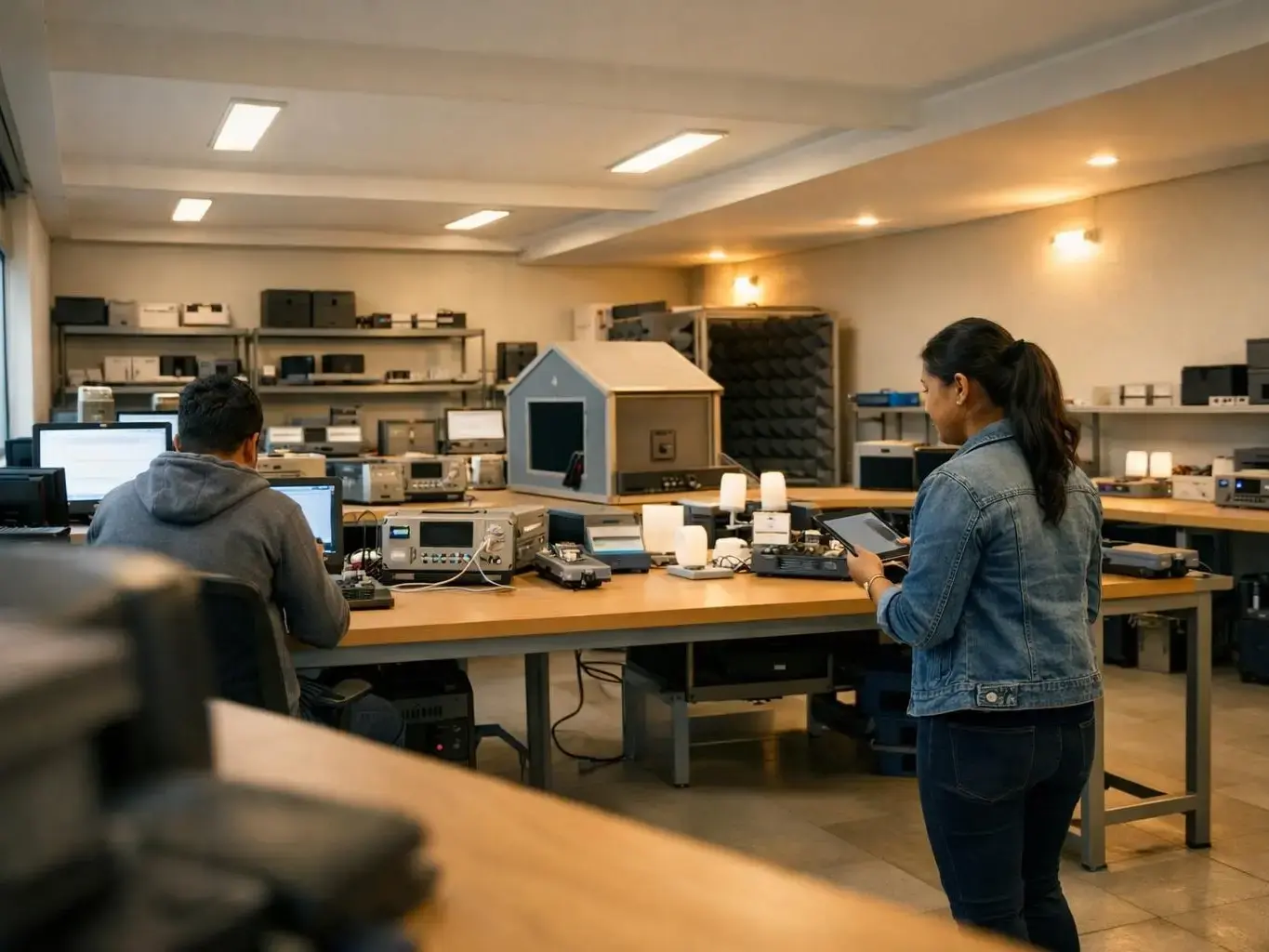
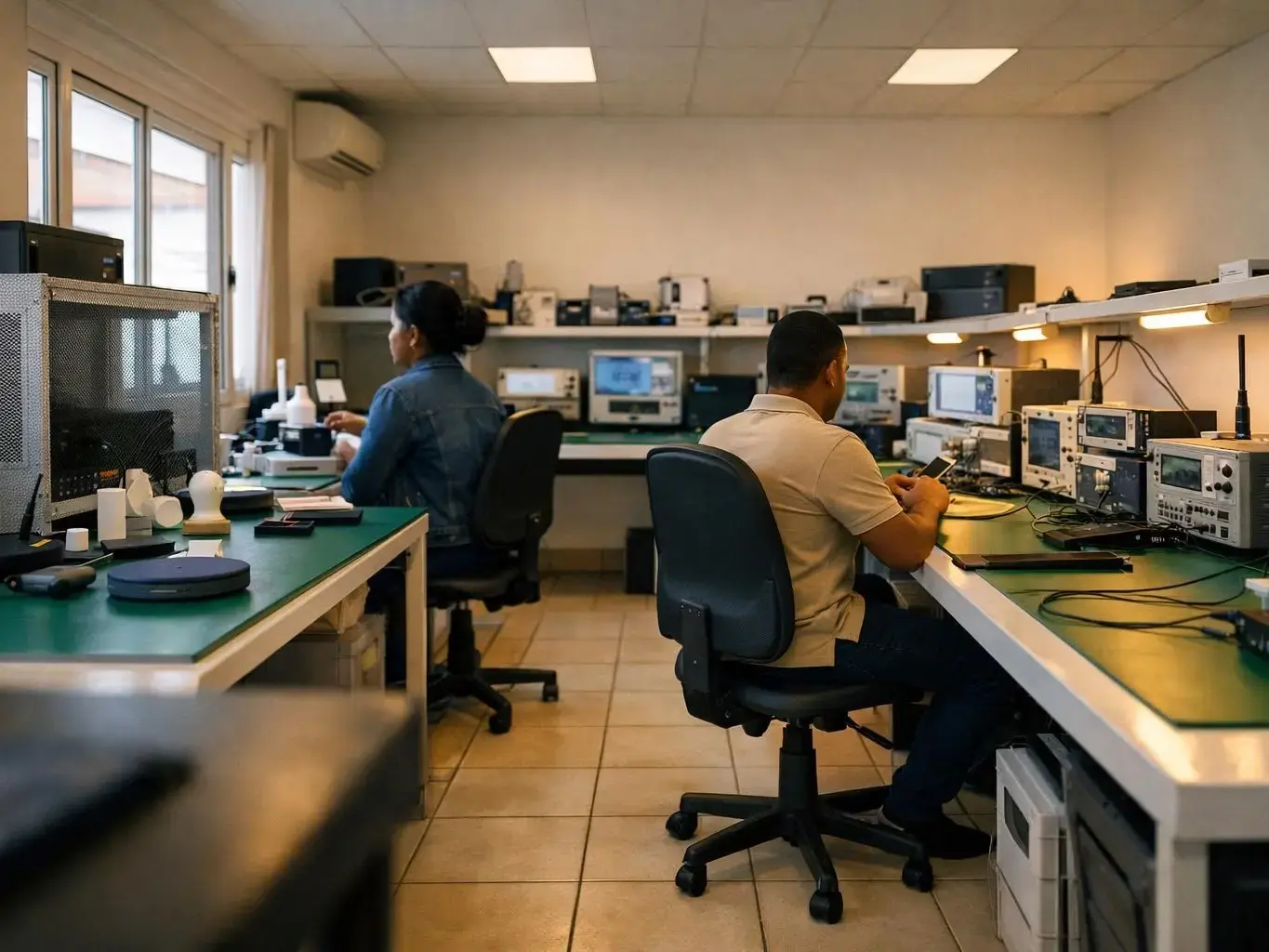
To follow FCC Part 22, companies must test their devices. They do this in special labs. Tests check things like signal strength and frequency accuracy. If a device passes, it gets FCC certification. This is needed before it can be sold or used in the U.S.
The FCC or a Telecommunications Certification Body reviews test results. They grant certification if everything meets the rules. This makes sure all devices work together without causing problems.
FCC Part 22 also has rules for how networks operate. For instance, they cover call setup and switching between cell towers. They also cover how emergency calls are handled. These rules help keep service reliable for users.
The FCC watches to make sure companies follow the rules. They can give penalties for breaking them. This includes using unauthorized frequencies or signals that are too strong.
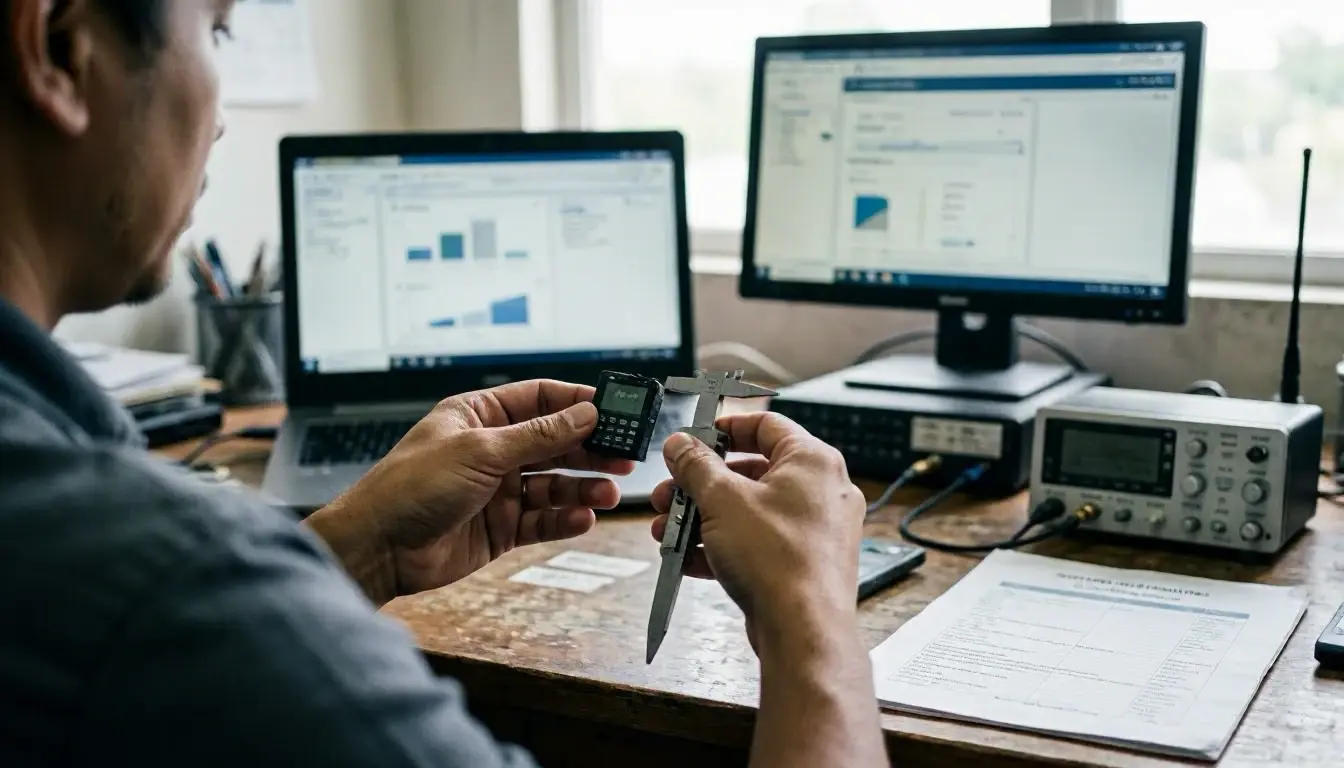
FCC Part 22 keeps cellular networks reliable and safe. Without it, devices could interfere with each other. This might cause bad call quality or dropped connections.
The rules make sure all devices follow approved guidelines. This reduces interference and improves service. For companies, following FCC Part 22 is required to sell devices in the U.S.
FCC Part 22 also helps public safety. Cell networks are used for emergency calls. Reliable service is important for first responders and people in trouble. The rules help networks stay up during emergencies.
They also make sure calls connect quickly and correctly. And they help companies compete fairly. All must follow the same rules for frequencies and equipment.
FCC Part 22 is very important in some key cases. For makers of cell devices, it matters during design and testing. Before selling a product in the U.S., it must pass FCC Part 22 tests.
Tests check signal strength, frequency. And emissions. This makes sure the device won't cause interference. If it fails, companies face delays, fines. Or recalls.
For service providers, FCC Part 22 matters when building or growing networks. They must get licenses for frequencies and meet technical rules. This includes cell towers and antennas.
It's also important when upgrading networks. This could be moving from 2G or 3G to 4G or 5G. The FCC may require new testing for these changes. This makes sure upgrades don't disrupt service.
FCC Part 22 also matters for businesses and consumers. Companies using cell devices for tracking or communications must follow the rules. Consumers get reliable service thanks to these rules.
They also stop fake or non-compliant devices from being sold. These could be unsafe or hurt network performance.
FCC Part 15 covers unlicensed devices like Wi-Fi routers and Bluetooth gadgets. While FCC Part 22 regulates licensed cellular services and devices.
FCC Part 90 governs private land mobile radio services, such as police and fire department radios, whereas FCC Part 22 focuses on public cellular networks.
FCC Part 22 is often overlooked in global markets. But compliance is non-negotiable for any cellular device entering the U.S. Even minor deviations in frequency or power can lead to costly retesting or certification delays. So manufacturers should integrate compliance checks early in the design process.
A smartphone manufacturer designs a new 4G LTE device for the U.S. Market. Before selling the phone, the company must test it in an FCC-accredited lab to ensure it complies with FCC Part 22. The lab measures the phone’s transmitter power, frequency accuracy. And emissions to confirm it meets the rules. Once certified, the phone can be sold in the U.S. Without risking interference with other cellular networks.
FCC Certification is a must-follow rule from the U.S. Federal Communications Commission (FCC). It checks if devices that send radio signals work safely. The rule keeps radio signals from causing harm to other devices. It also keeps people safe. It is needed for items sold or used in the U.S. Like phones and Wi-Fi routers.
FCC Part 15 is a set of United States federal regulations issued by the Federal Communications Commission (FCC) that governs the electromagnetic interference (EMI) and radio frequency (RF) emissions of electronic devices. These rules ensure that consumer electronics, wireless devices.
FCC Part 90 is a set of regulations established by the Federal Communications Commission (FCC) in the United States that governs the licensing and operation of private land mobile radio services. These rules cover frequencies, technical standards.
Frequency Allocation is the process by which governments and international bodies assign specific radio frequency bands to different uses, services. Or technologies to prevent interference and ensure efficient spectrum use. It determines which frequencies devices like radios, mobile phones.
RF Testing checks radio signals from wireless devices. It makes sure they meet rules for safety and speed. It also stops signals from mixing with others. Tests look at signal strength, frequency. And how clear the signal is.
CERTIBRIDGE
Contact CERTIBRIDGE for practical guidance on FCC Part 22 and related type approval services work in Madagascar.