FCC Part 15 is a set of United States federal regulations issued by the Federal Communications Commission (FCC) that governs the electromagnetic interference (EMI) and radio frequency (RF) emissions of electronic devices. These rules ensure that consumer electronics, wireless devices.
Term
FCC Part 15
Category
Regulation
FCC Part 15 is a rule from the U.S. Government. It's part of Title 47, Part 15 of the Code of Federal Regulations. The Federal Communications Commission (FCC) made these rules.
These rules control the electromagnetic waves from electronics. They make sure devices don't interfere with radios or other equipment. FCC Part 15 has sections for different device types.
It covers unintentional radiators like computers and TVs. It also covers intentional radiators like Wi-Fi routers and Bluetooth devices.
The main goal is to reduce electromagnetic interference (EMI). EMI can hurt radio receivers, navigation systems. And other tools. Without these rules, signals could get messy and cause problems.
Messy signals can make devices unreliable or unsafe. This affects consumers, businesses. And public safety groups. Manufacturers must follow FCC Part 15 before selling devices in the U.S.
FCC Part 15 limits how much energy a device can emit. This is measured in microvolts per meter (µV/m) or decibels (dB). The limits change based on frequency and device type.
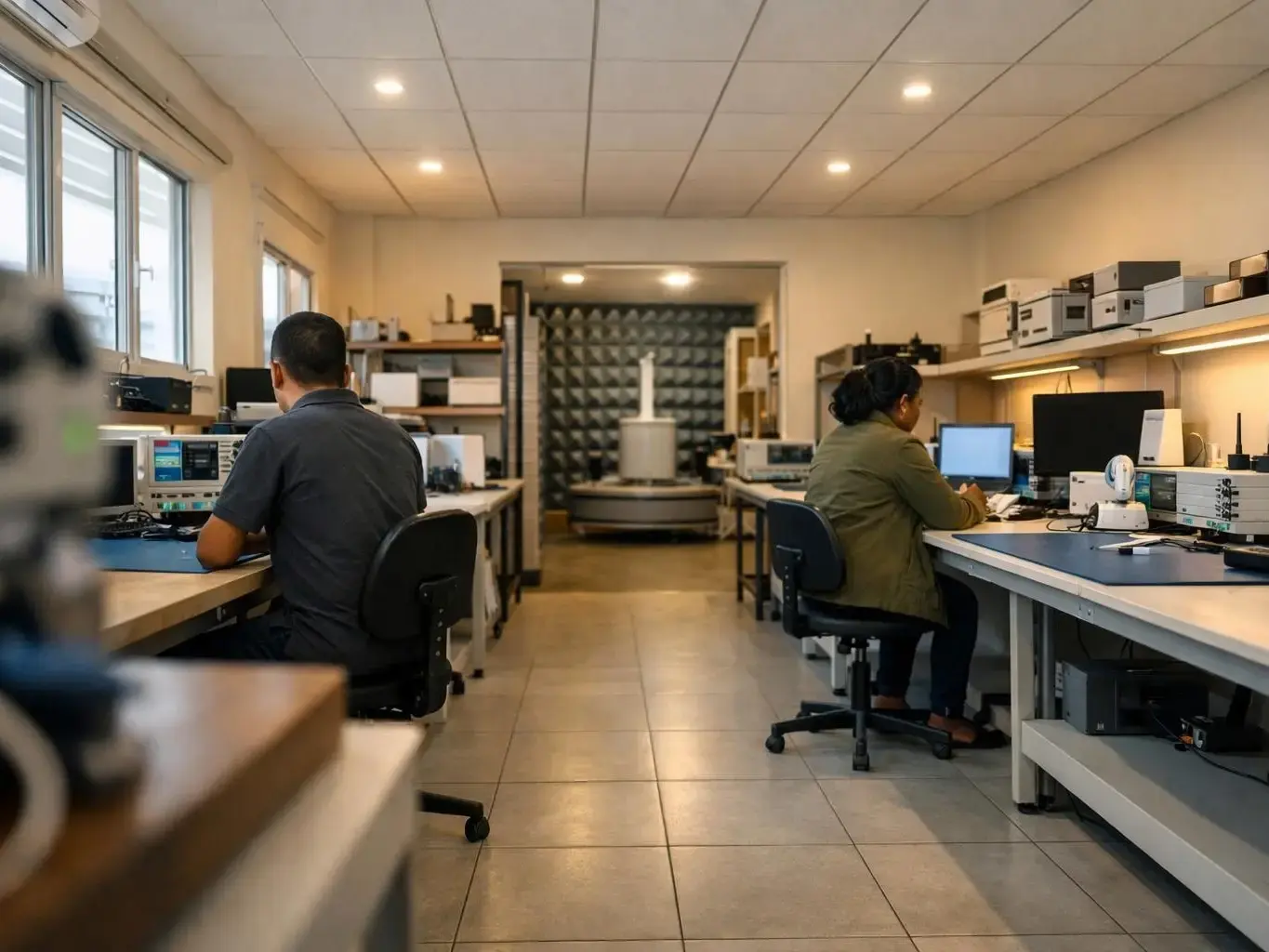
Computers must meet stricter limits than wireless microphones. That's because wireless microphones send signals on purpose. Testing for compliance happens in a controlled space.
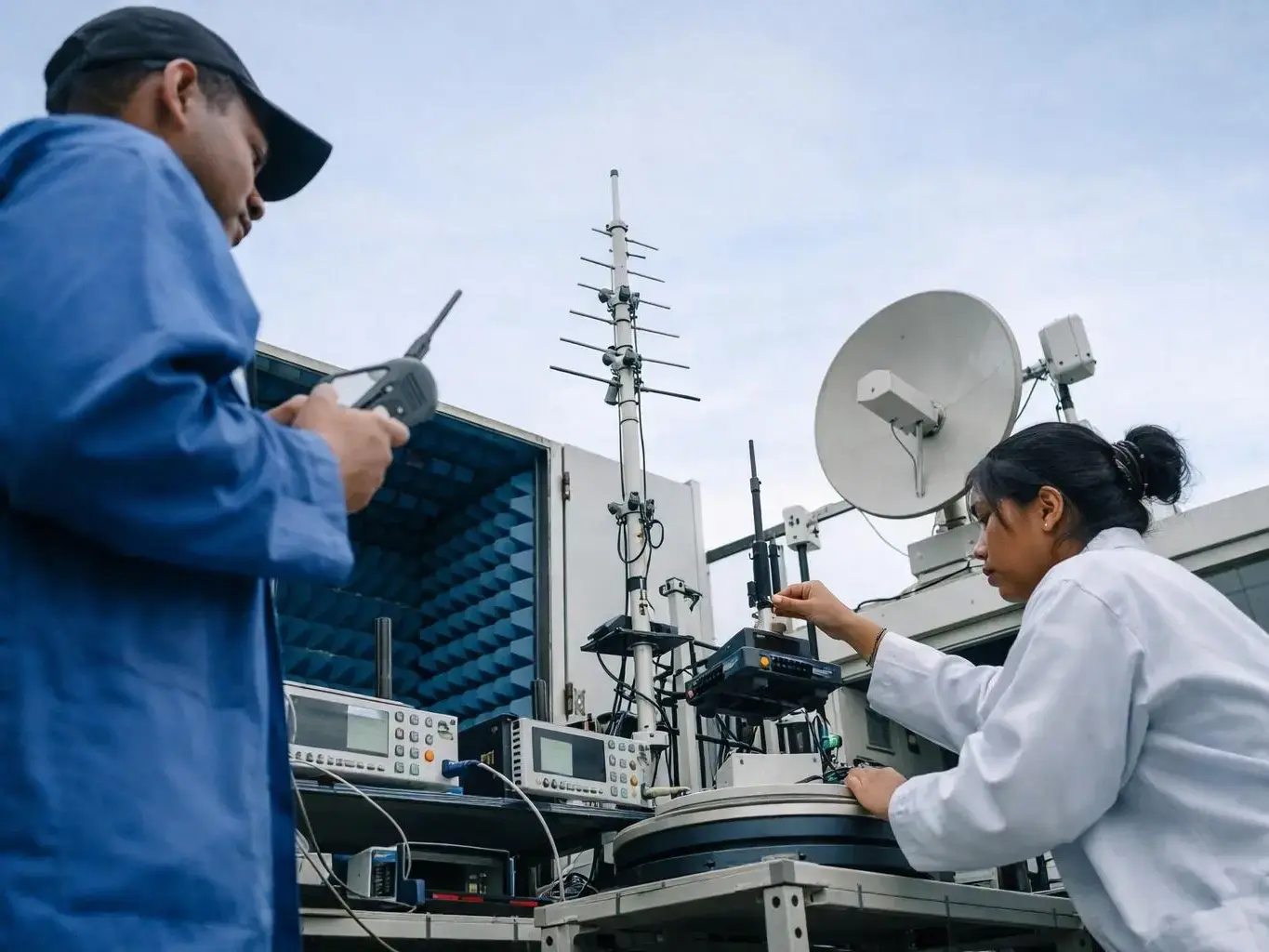
They use an anechoic chamber for testing. Special tools like spectrum analyzers measure the emissions. The device must stay within limits at all frequencies.
If a device fails, makers must fix it. They might add shielding or redesign it. Then they test it again. Once it passes, it may need FCC certification or an SDoC.
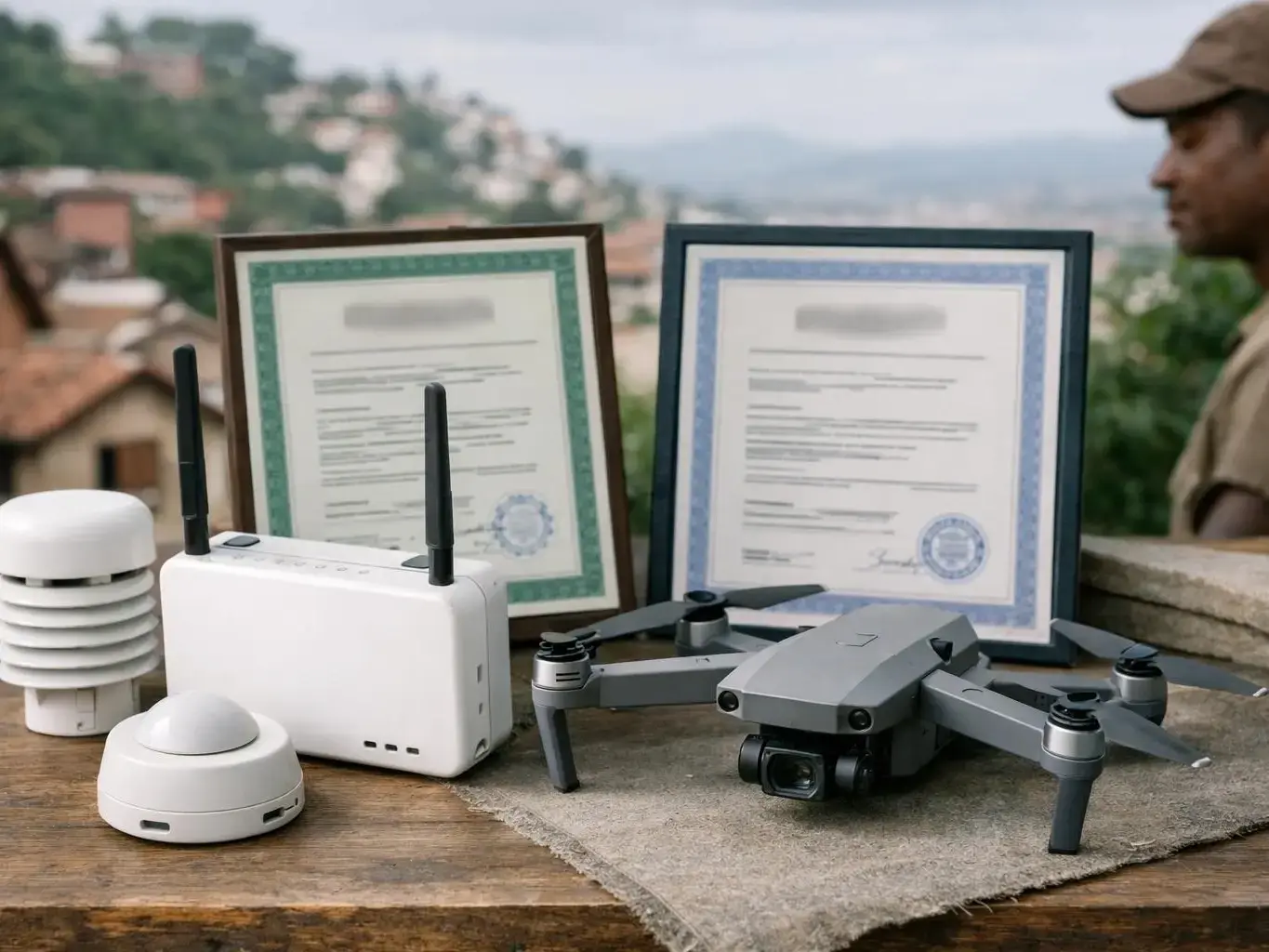
FCC Part 15 also requires labels on devices. These labels show an FCC ID or a compliance statement. This helps regulators and buyers know the product meets rules.
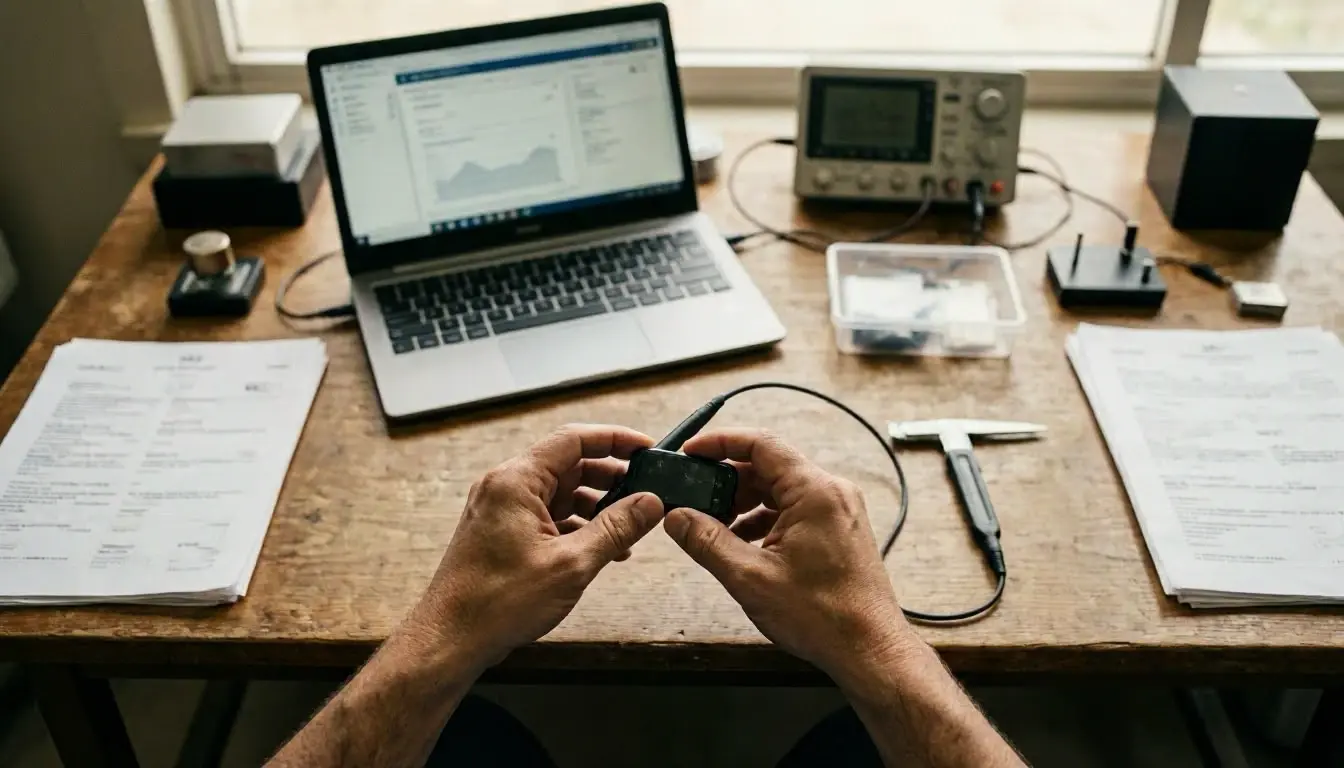
Manufacturers must keep test reports and documents. The FCC may ask for these records during checks.

FCC Part 15 keeps wireless communications reliable. These are key for phones, emergencies. And air travel. Without these rules, devices could mess up radio signals.
This could cause dropped calls or GPS problems. It might even create safety risks in hospitals or factories. For makers, following FCC Part 15 isn't just about law.
It's also about staying competitive. Non-compliant products can be seized at customs. They might get banned from the U.S. Market.
FCC Part 15 also helps innovation. It gives clear rules for designing and testing devices. Makers can develop new products with confidence.
They know the limits they must meet. This cuts the risk of costly redesigns or delays. For buyers, FCC Part 15 means safer devices.
These devices won't interfere with other electronics at home or work.
FCC Part 15 is key during product development. Before selling in the U.S., companies must check compliance. They usually test at an accredited lab.
Testing can take weeks or months. It depends on how complex the device is. Failing can cost a lot.
It might lead to recalls, fines. Or damage to reputation. The FCC also checks products already on the market. They do this during audits or surveillance.
If a device breaks the rules, makers must fix it. They might have to pay fines or pull the product. Importers and sellers must verify compliance.
This avoids customs delays or seizures. In Madagascar, FCC Part 15 isn't local law. But it often affects local approval processes.
Many makers design products to meet FCC rules first. This makes it easier to enter global markets. It also keeps product performance and safety consistent.
FCC Part 15 is often misunderstood as applying only to wireless devices. But it also covers unintentional radiators like power supplies and digital circuits. Manufacturers should integrate compliance testing early in the design process to avoid costly redesigns later.
A manufacturer developing a new Wi-Fi router for the U.S. Market must ensure the device complies with FCC Part 15 emission limits. The router undergoes testing in an anechoic chamber, where its radio frequency emissions are measured. If the emissions exceed the allowed limits, the manufacturer must redesign the device or add shielding before resubmitting it for testing. Once compliant, the router receives an FCC identifier and can be legally sold in the U.S.
CERTIBRIDGE
Contact CERTIBRIDGE for practical guidance on FCC Part 15 and related type approval services work in Madagascar.