RF Testing checks radio signals from wireless devices. It makes sure they meet rules for safety and speed. It also stops signals from mixing with others. Tests look at signal strength, frequency. And how clear the signal is.
Term
RF Testing
Category
Process
RF Testing. Or Radio Frequency Testing, is a specialized form of compliance testing focused on wireless communication devices. These devices—such as smartphones, Wi-Fi routers, Bluetooth gadgets. And radio transmitters—emit radio waves to function. RF Testing ensures these waves operate within designated frequency bands, don't interfere with other devices. And meet safety limits for human exposure. Without proper testing, a wireless device could disrupt emergency communications, aviation systems. Or other critical services, leading to legal penalties, product recalls. Or safety risks.
RF Testing is distinct from general electrical safety testing. While electrical safety testing checks for hazards like overheating or electric shock, RF Testing focuses on the invisible radio signals a device produces. It measures how strong the signal is, how accurately it stays on its assigned frequency. And whether it leaks into neighboring frequencies. Regulatory bodies worldwide, such as the FCC in the United States, ETSI in Europe. And ARTEC in Madagascar, set strict limits on these parameters to maintain orderly spectrum use and protect public safety.
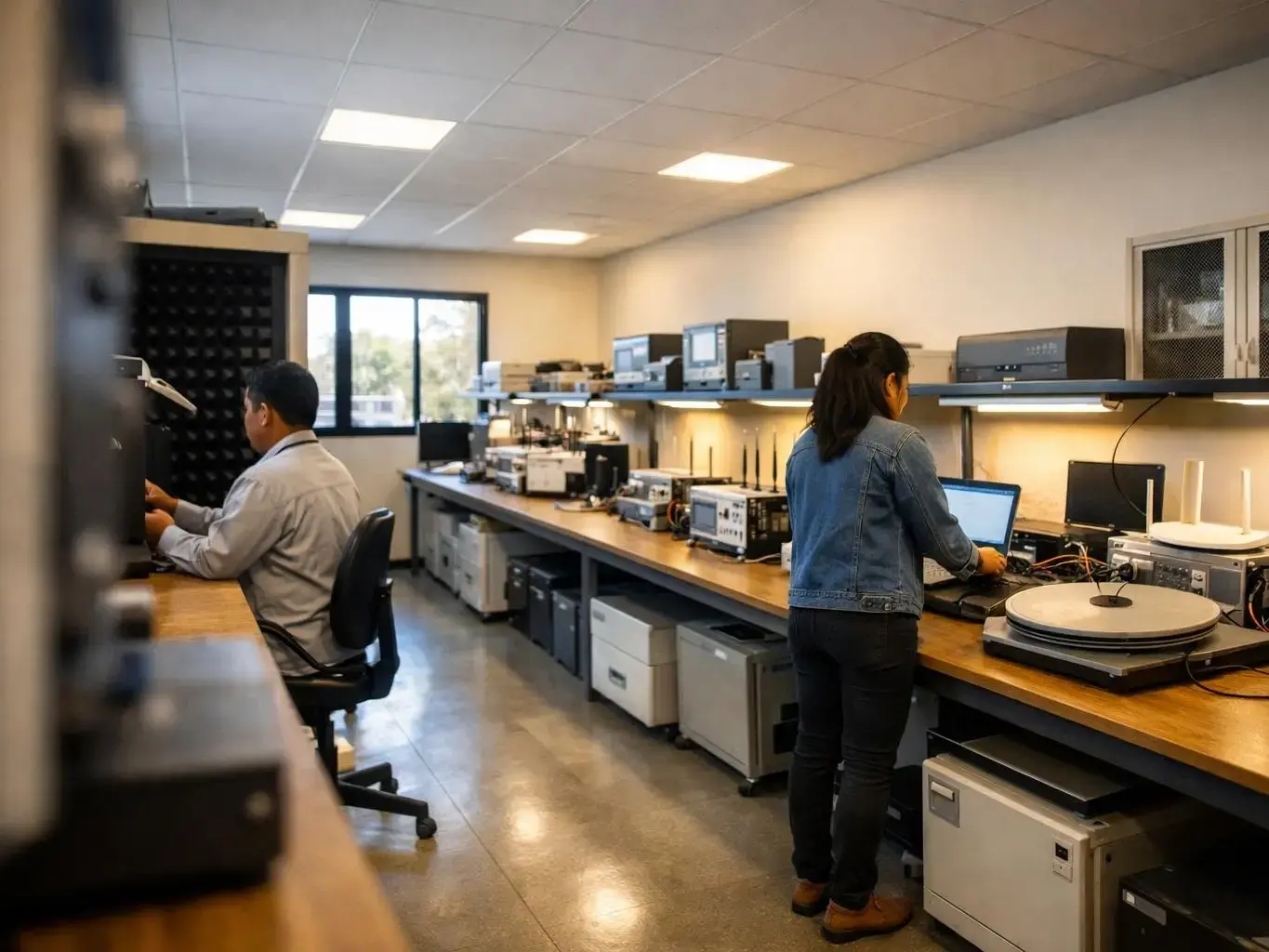
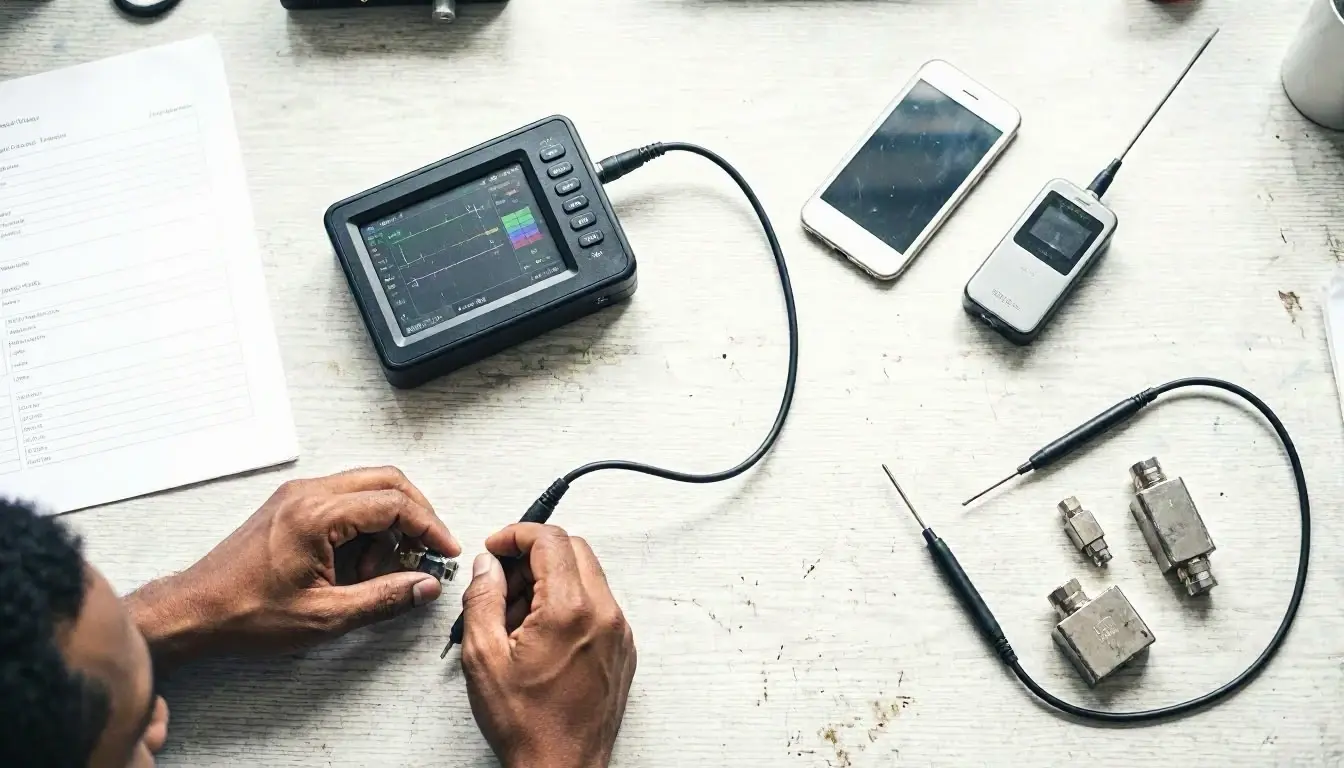
RF Testing typically takes place in a controlled laboratory environment, often inside a shielded chamber to block external radio signals that could skew results. Engineers use specialized equipment, including spectrum analyzers, signal generators. And antennas, to measure the device’s emissions. The testing process follows standardized procedures, such as those outlined in ETSI EN 300 328 for Wi-Fi devices or FCC Part 15 for unlicensed transmitters. These standards specify test setups, measurement methods. And pass/fail criteria.
During testing, the device is operated under normal and extreme conditions—such as high data loads, low battery. Or high temperature, to simulate real-world use. Engineers measure key parameters like output power, spurious emissions, frequency stability. And modulation accuracy. For example, a smartphone must not exceed a certain power level when transmitting on a cellular band. And a Bluetooth speaker must not emit signals outside its designated 2.4 GHz frequency range. If a device fails any test, manufacturers must redesign it or adjust its software before retesting.
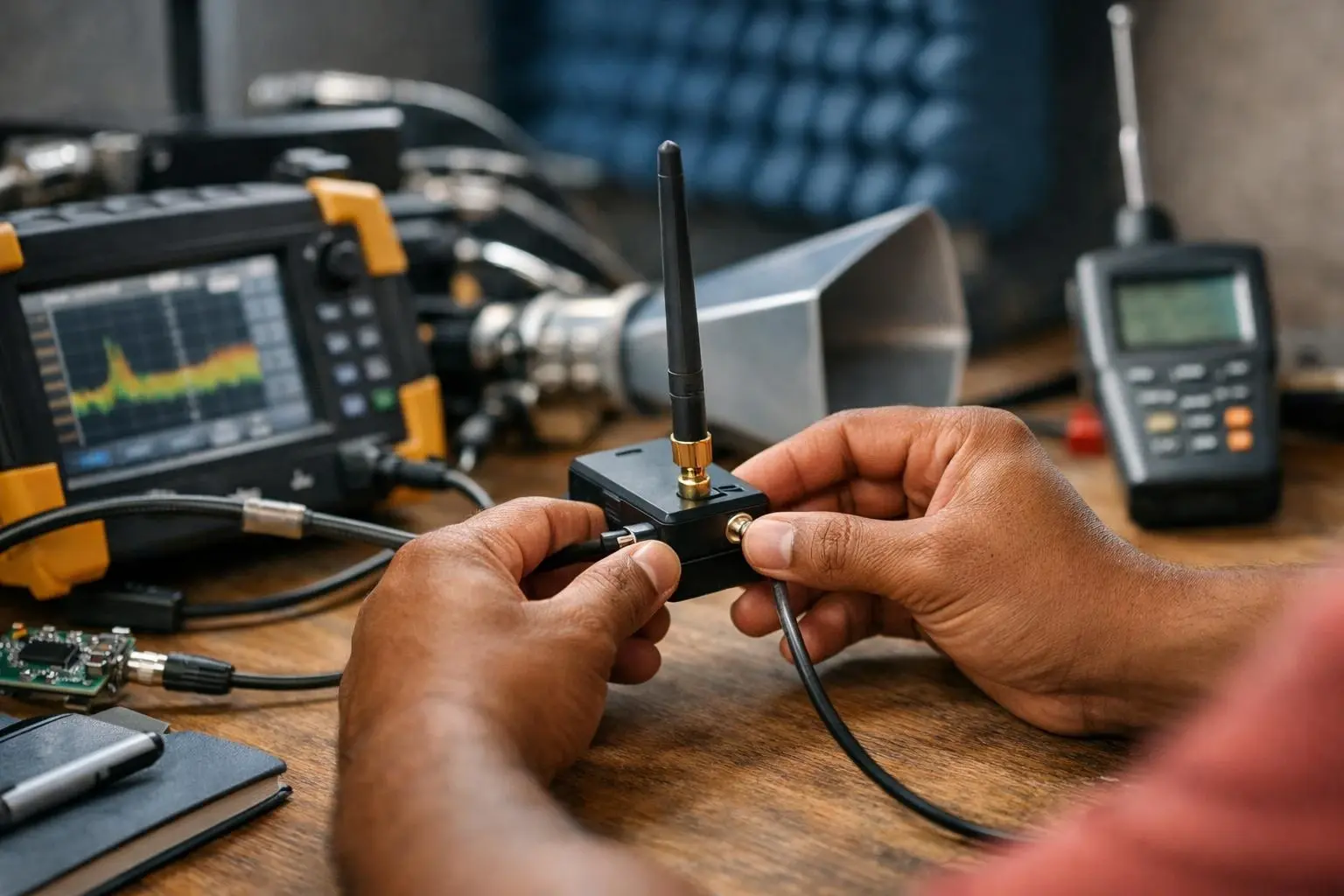
RF Testing is essential for three main reasons: regulatory compliance, interference prevention. And consumer safety. Most countries require RF Testing as part of the type approval process before a wireless device can be legally sold. Without certification, a product can't enter the market. And selling uncertified devices can result in fines, confiscation. Or legal action. Beyond legal requirements, RF Testing ensures that devices coexist peacefully with other wireless systems. For instance, a poorly tested drone controller could interfere with air traffic control signals, creating serious safety risks.
For manufacturers, RF Testing also reduces financial and reputational risks. A product recall due to interference issues can cost millions and damage brand trust. By identifying problems early in the development process, RF Testing helps companies avoid costly redesigns and delays. And some markets impose additional requirements, such as Specific Absorption Rate (SAR) testing for devices held near the body, adding another layer of safety assurance for consumers.
RF Testing becomes critical at several key stages in a product’s lifecycle. During development, engineers use pre-compliance testing to catch issues early, saving time and money. Before launch, formal RF Testing is required to obtain type approval, without it, the product cannot be legally sold. Even after a product reaches the market, RF Testing may be needed if modifications are made, such as software updates that affect transmission behavior or hardware changes like a new antenna.
In Madagascar, RF Testing is particularly important due to the country’s participation in regional and international spectrum agreements. The Autorité de Régulation des Technologies de Communication (ARTEC) enforces local regulations that align with ITU and African Telecommunications Union standards. Devices that meet RF requirements in Europe or the U.S. May not automatically comply in Madagascar, making local testing essential for manufacturers targeting the Malagasy market. And as wireless technology expands, including IoT devices, smart agriculture tools. And rural connectivity solutions, RF Testing ensures these innovations operate reliably without disrupting existing services.
RF Testing is not just about meeting minimum requirements—it also ensures optimal performance in real-world conditions. A device that barely passes may struggle in crowded urban areas or near other transmitters, leading to poor user experience and higher return rates.
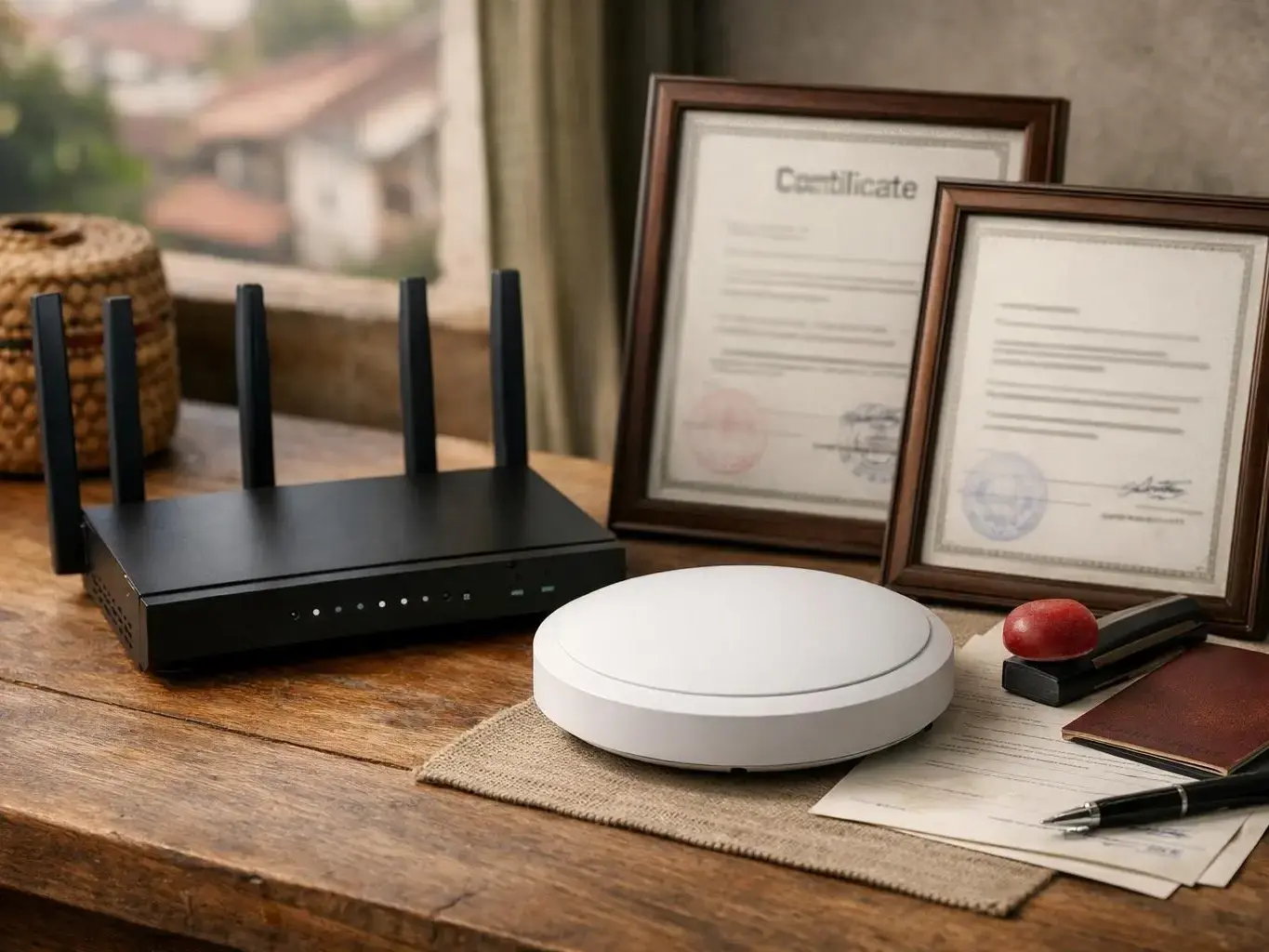
A company makes a new Wi-Fi router for Madagascar. They test it at a lab. The lab checks the 2.4 GHz and 5 GHz bands. They make sure it meets ETSI EN 300 328 rules. After it passes, ARTEC gives type approval. The router can then be sold in Madagascar. It won’t mix with other signals.
CERTIBRIDGE
Contact CERTIBRIDGE for practical guidance on RF Testing and related type approval services work in Madagascar.