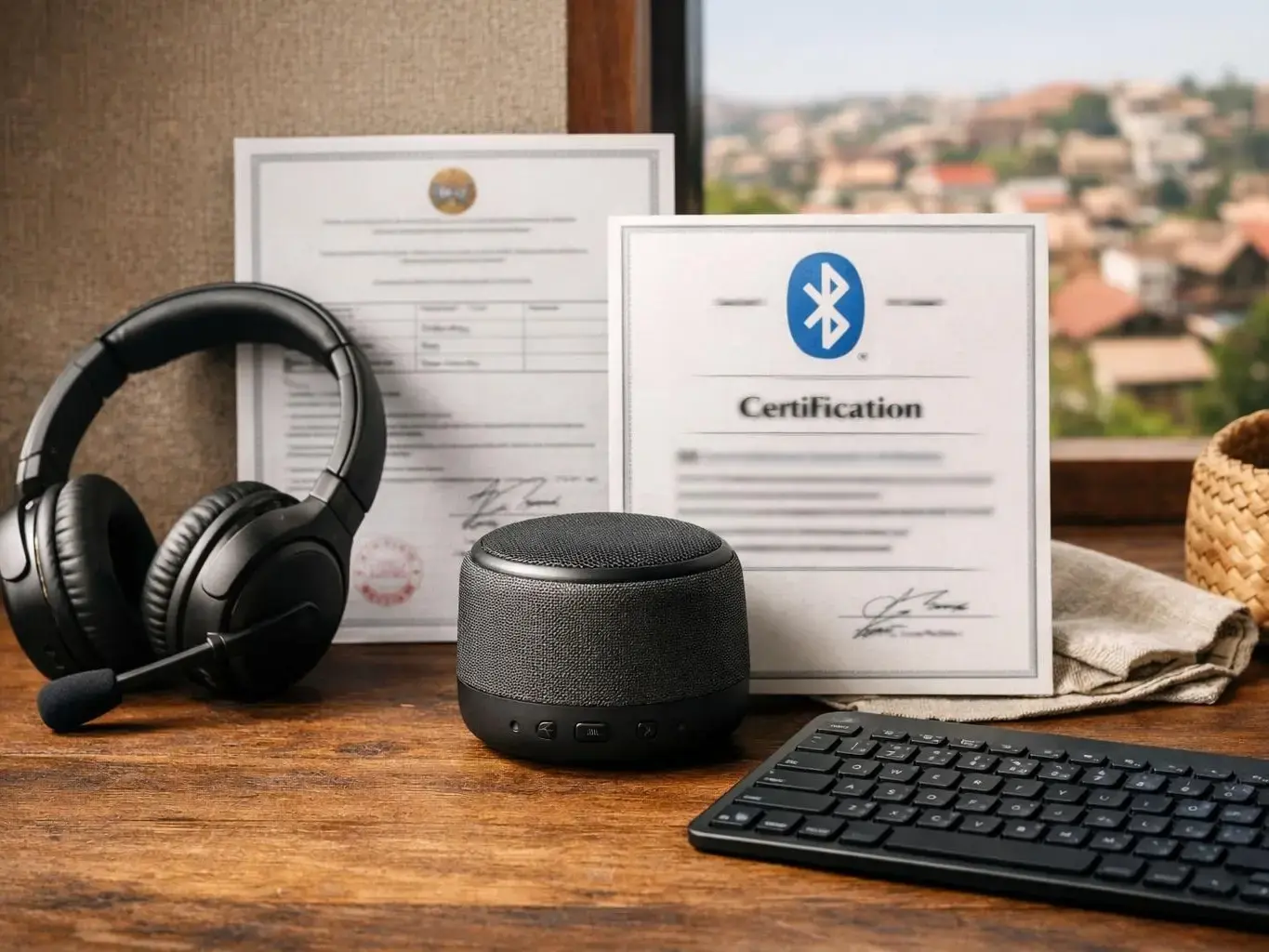
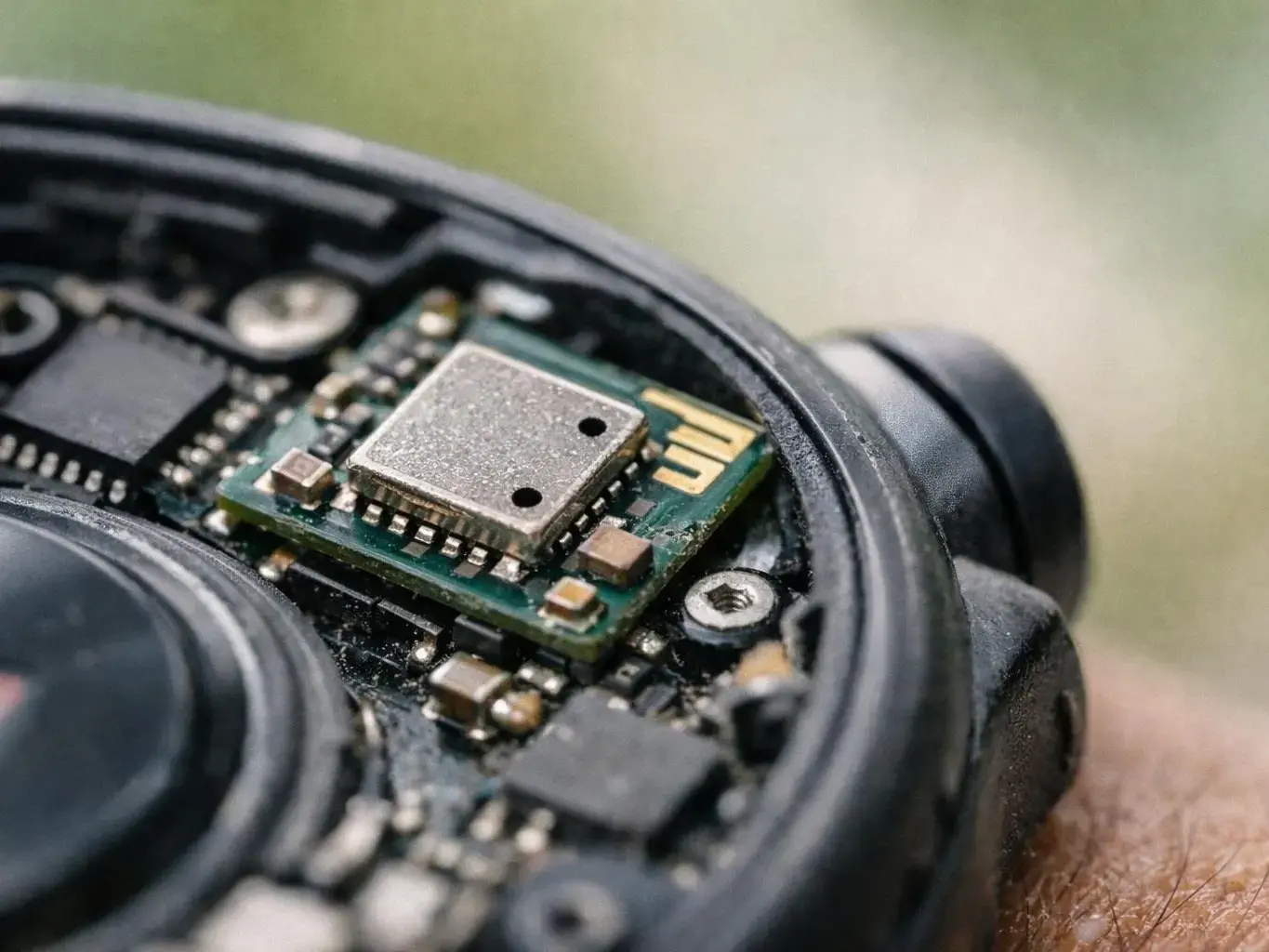
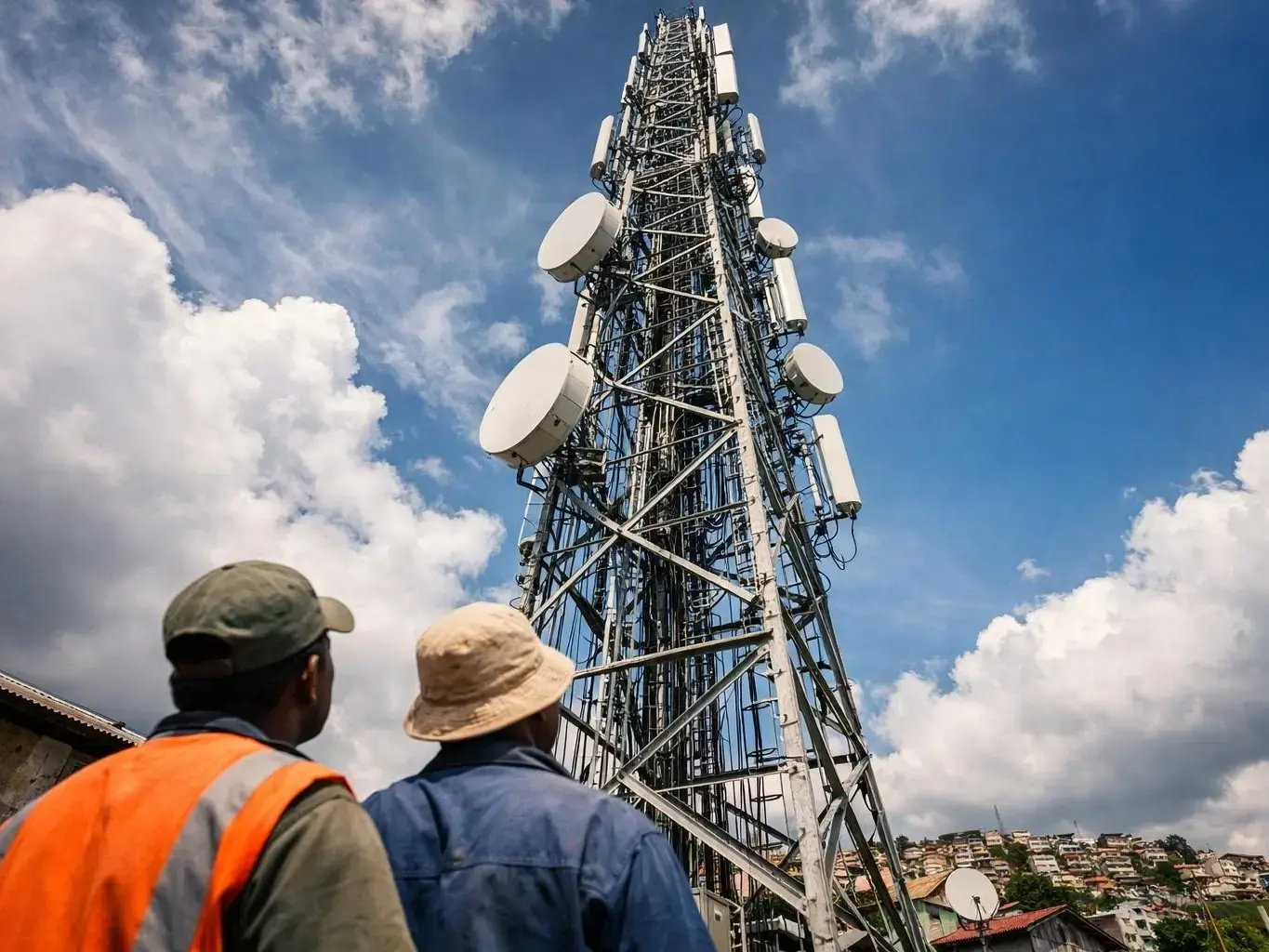
FCC Certification is a must-follow rule from the U.S. Federal Communications Commission (FCC). It checks if devices that send radio signals work safely. The rule keeps radio signals from causing harm to other devices. It also keeps people safe. It is needed for items sold or used in the U.S. Like phones and Wi-Fi routers.
Term
FCC Certification
Category
Regulation
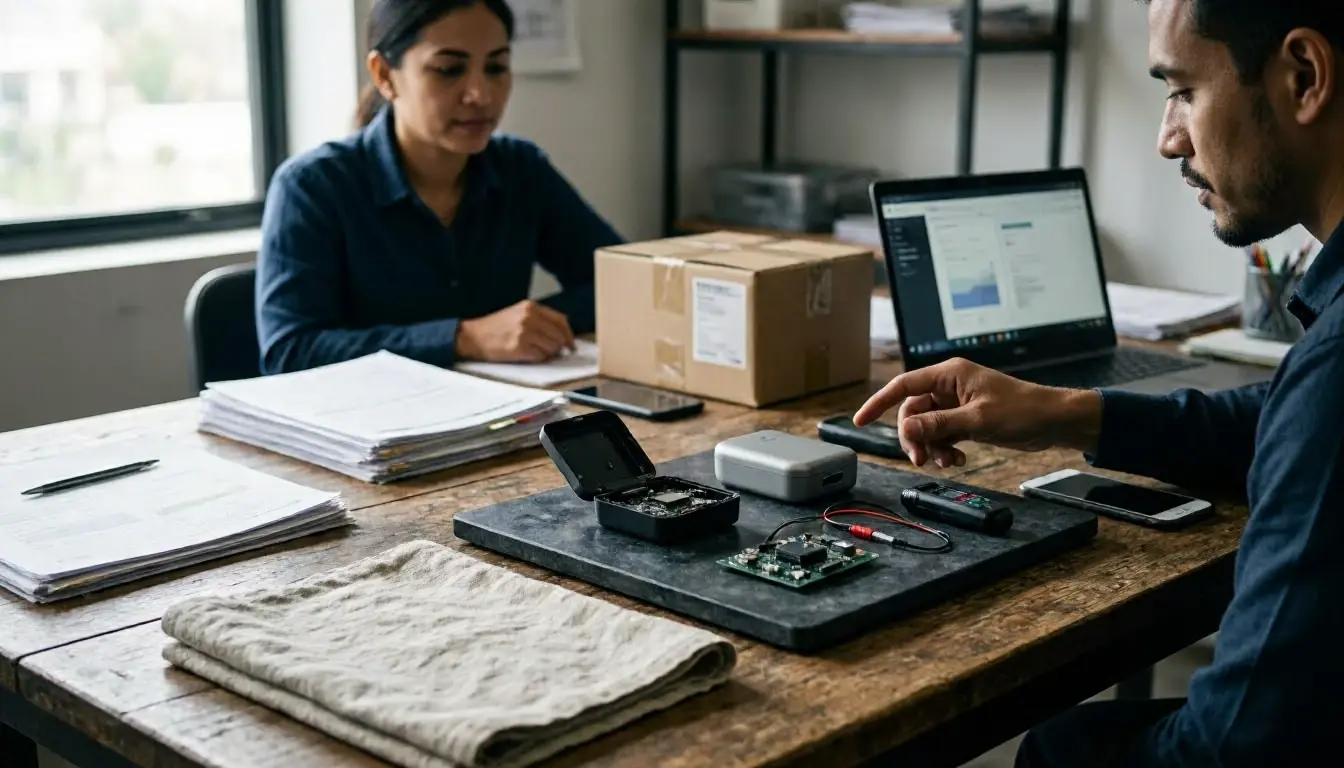
FCC Certification is a legal requirement established by the U.S. Federal Communications Commission to regulate electronic devices that emit radio frequency (RF) energy. The FCC sets limits on how much RF interference a device can produce, ensuring that consumer electronics, wireless devices. And industrial equipment don't disrupt other wireless communications, such as emergency services, aviation. Or public safety networks. Without FCC Certification, devices can't be legally sold, imported. Or operated in the United States.
The certification process applies to a wide range of products, from smartphones and laptops to smart home devices, drones. And industrial transmitters. Even devices that do not intentionally transmit radio signals, such as computers or power adapters, may still require FCC compliance if they emit unintentional RF energy. The FCC categorizes devices into different rulesets, such as FCC Part 15 for unintentional radiators and FCC Part 22 for cellular transmitters, each with specific testing and documentation requirements.
The FCC Certification process involves testing, documentation. And formal submission to the FCC or a designated Telecommunications Certification Body (TCB). First, the device undergoes laboratory testing to measure its RF emissions and ensure compliance with FCC limits. Testing includes radiated emissions (how much RF energy escapes the device) and conducted emissions (RF energy traveling through cables or power lines). Some devices also require Specific Absorption Rate (SAR) testing to measure RF exposure to human users.
Once testing is complete, the manufacturer or importer submits test reports, technical specifications. And labeling details to the FCC or a TCB. The FCC reviews the submission and, if compliant, issues a unique FCC Identifier (FCC ID) for the device. This ID must be displayed on the product label, packaging. Or user manual. The entire process typically takes 4 to 8 weeks, depending on the device complexity and testing requirements. Some low-risk devices may qualify for self-declaration under FCC Supplier’s Declaration of Conformity (SDoC). But most intentional transmitters still require full FCC Certification.
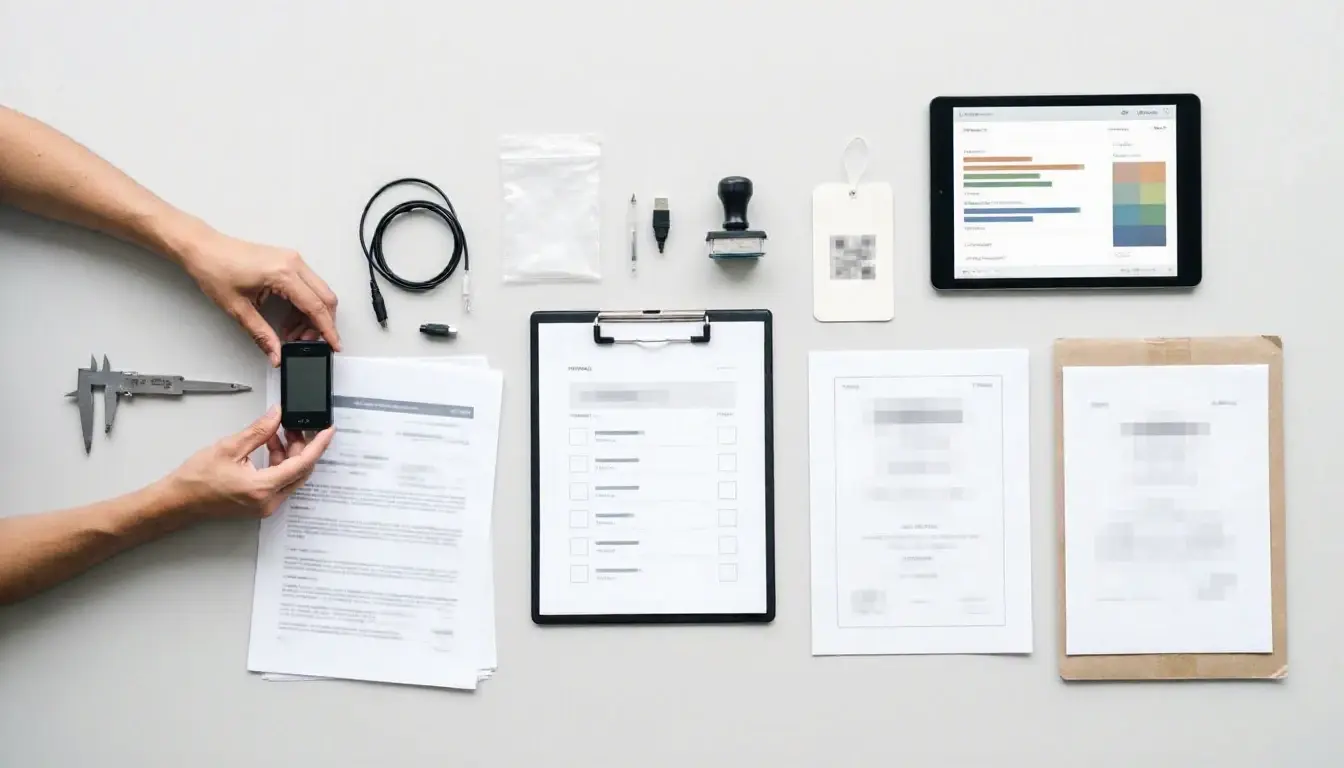
FCC Certification is critical for manufacturers, importers. And retailers because non-compliant devices can face severe consequences. The FCC actively monitors the market and conducts enforcement actions, including fines, product recalls. Or import bans for devices that violate RF interference limits. Beyond legal risks, uncertified devices may interfere with critical communications, such as emergency services or aviation systems, posing safety hazards to the public. Compliance also builds consumer trust, as the FCC ID signals that a product has undergone rigorous testing and meets U.S. Standards.
For businesses, FCC Certification is a prerequisite for accessing the U.S. Market, which is one of the largest consumer electronics markets globally. That is the practical point. Without certification, devices cannot be sold through major retailers, online platforms. Or distributors. And many international markets recognize FCC Certification as a benchmark for quality and safety, making it easier to expand into other regions with similar regulatory frameworks.
FCC Certification is especially important in several key scenarios. During product development, engineers must design devices with FCC compliance in mind, as retrofitting non-compliant products can be costly and time-consuming. Importers and retailers must verify that all devices entering the U.S. Market carry valid FCC IDs, as customs authorities may detain or reject shipments without proper certification. Startups and small businesses often overlook FCC requirements, assuming they only apply to large corporations. But even low-volume sellers must comply to avoid legal risks.
FCC Certification also becomes critical when expanding product lines or updating existing devices. Even minor changes, such as a new antenna design or updated software, may require retesting and recertification. Manufacturers must also stay updated on evolving FCC regulations, such as new rules for 5G devices, IoT security. Or RF exposure limits. Failure to adapt to these changes can result in compliance gaps, product delays. Or market access issues.
FCC Certification is not a one-time approval—it requires ongoing compliance. Manufacturers must monitor regulatory updates, such as new RF exposure limits or spectrum allocations, to avoid non-compliance risks during a product’s lifecycle.
A maker in Madagascar builds a smart thermostat with Wi-Fi for the U.S. The device takes FCC tests for radio signals and safety. After it passes, the maker sends test reports to a TCB. They get an FCC ID. The product gets the FCC ID label. It can then be sold in the U.S.
CERTIBRIDGE
Contact CERTIBRIDGE for practical guidance on FCC Certification and related type approval services work in Madagascar.