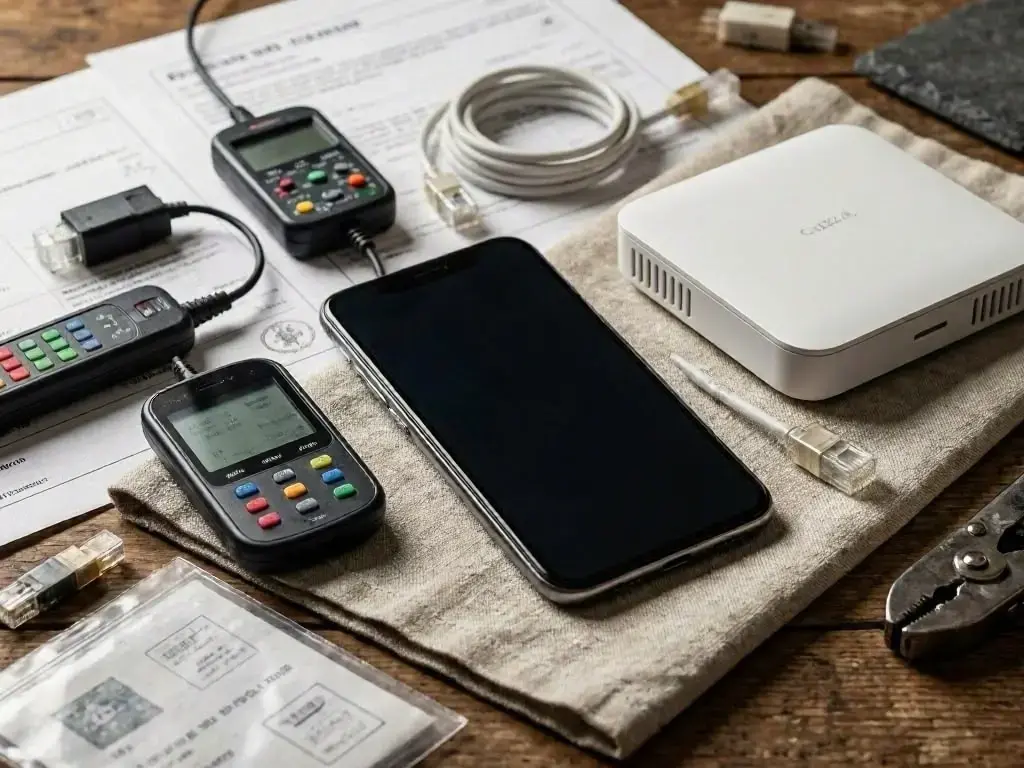
FCC Part 90 is a set of regulations established by the Federal Communications Commission (FCC) in the United States that governs the licensing and operation of private land mobile radio services. These rules cover frequencies, technical standards.
Term
FCC Part 90
Category
Regulation
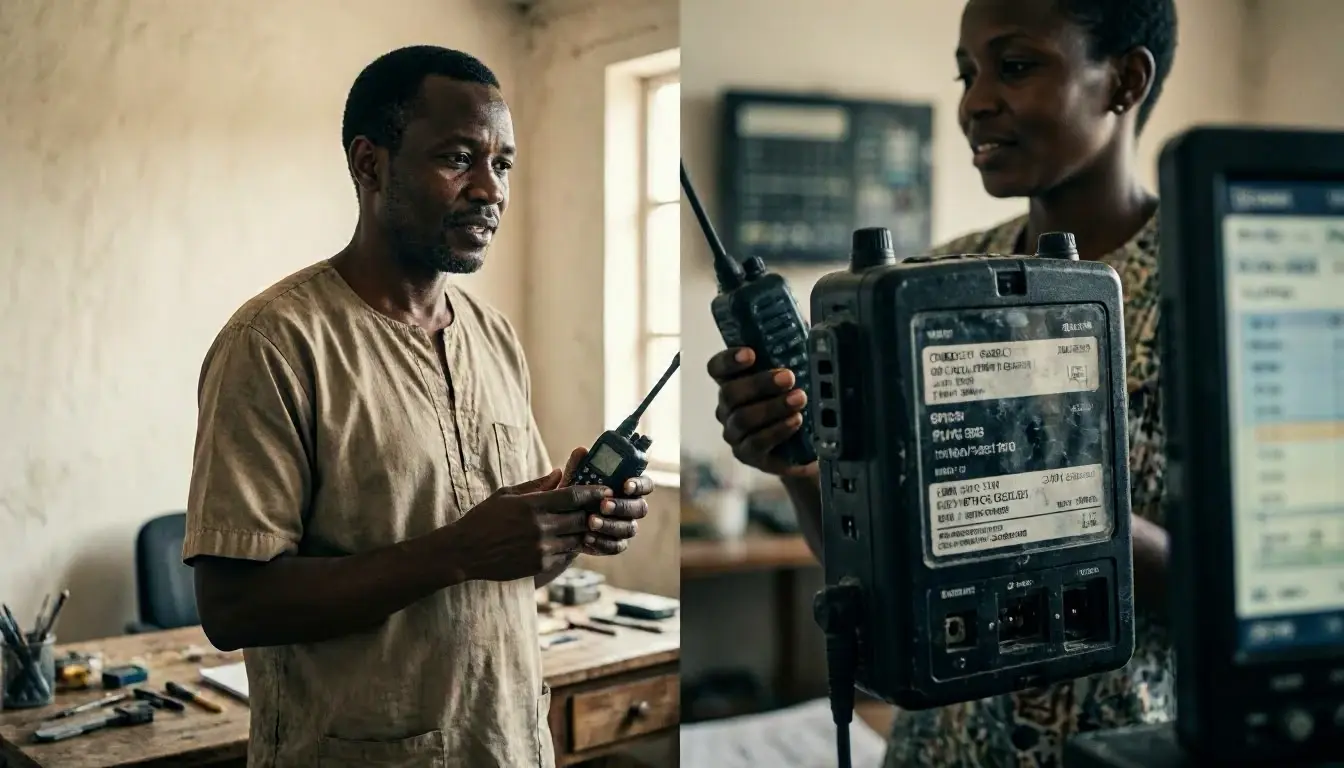
FCC Part 90 is a section of FCC rules. It controls private land mobile radio services in the U.S. These services include devices used by police, fire departments. And taxi companies. They also cover industrial businesses.
The rules help devices work well. They stop harmful interference with other radio services. Part 90 devices need special licenses. They must follow technical rules that don't apply to public devices.
Private land mobile radio services use FCC-assigned frequency bands. The FCC manages these bands to stop interference. This is key for services needing clear, reliable communication. Emergency services rely on these frequencies during crises.
The FCC assigns frequencies based on service type, location. And use. This ensures users get the spectrum they need without disruption.
FCC Part 90 sets rules for licensing and operating private radios. Manufacturers and users must follow these rules. This lets them use their equipment legally in the U.S.
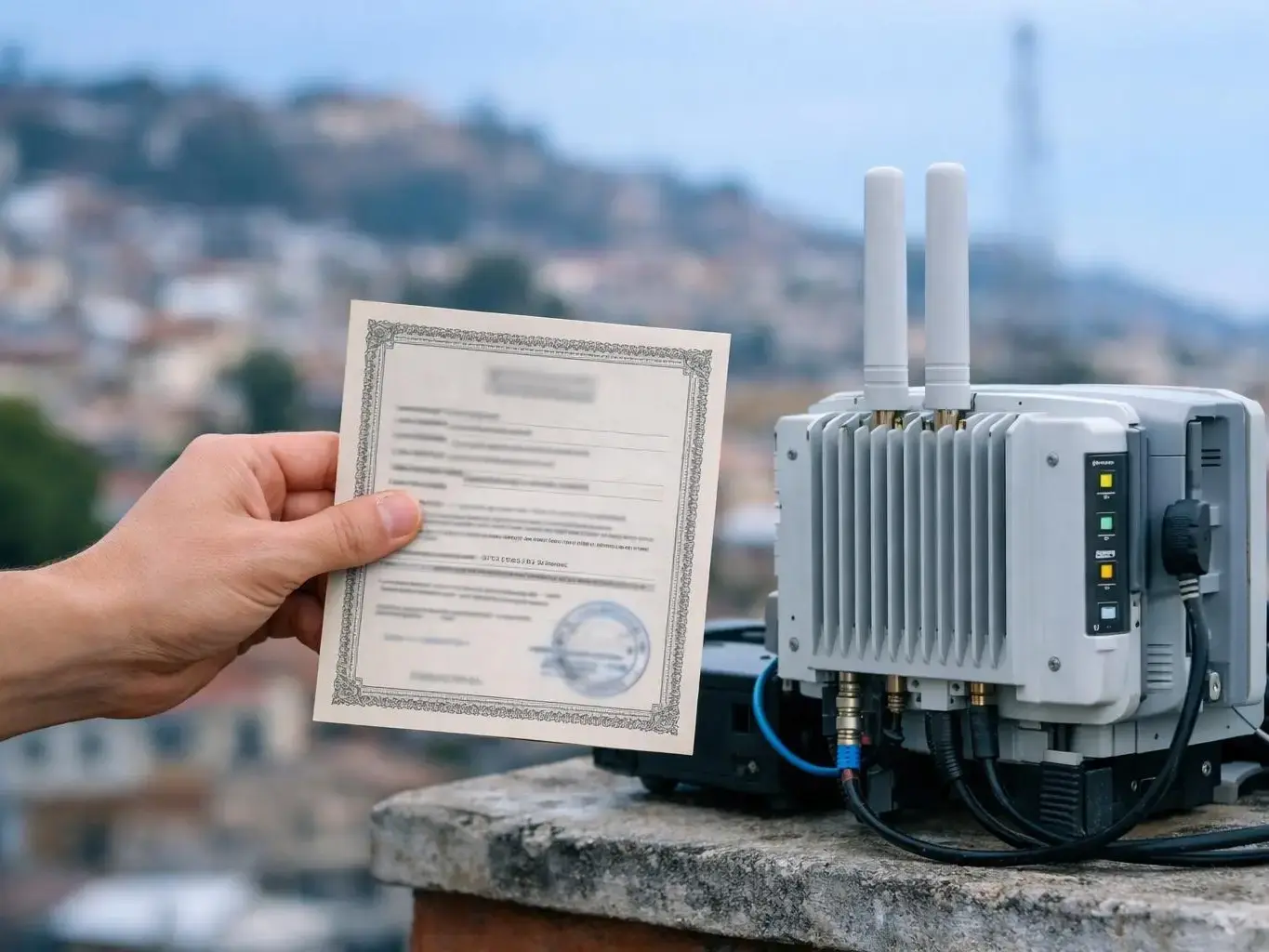
To get a license, you apply to the FCC. They check if your request meets the rules. If approved, you can use specific frequencies in a set area. This helps the FCC manage spectrum use and stop interference.
Part 90 includes technical rules. These cover transmitter power and frequency stability. They also cover modulation types. These rules keep devices on their assigned frequencies.
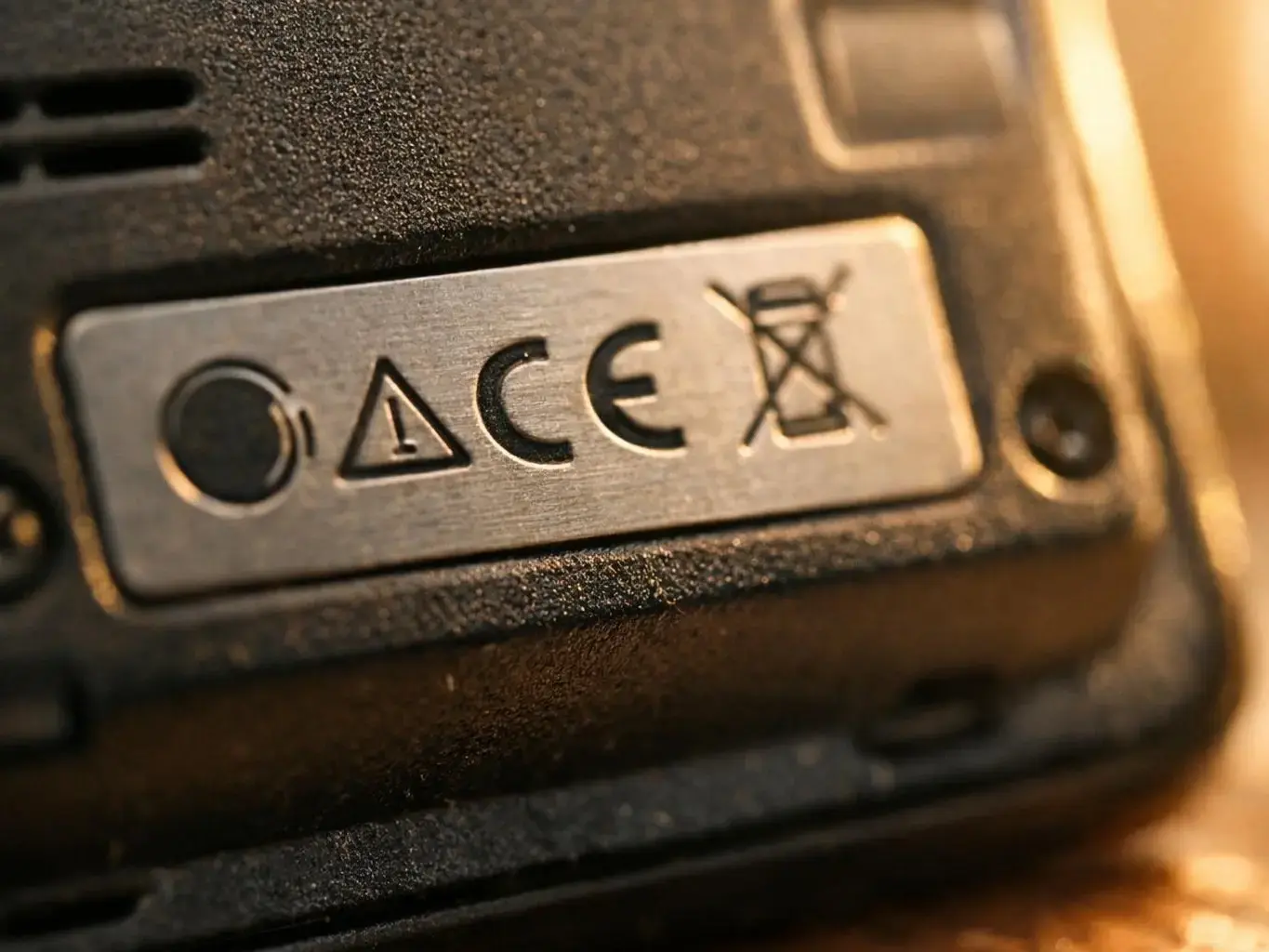
Devices must limit spurious emissions. These are unwanted signals that disrupt other communications. Labs test devices to check they meet these rules. Only then can they be sold or used in the U.S.
Users must follow operational rules too. They must identify their transmissions. They can't use unauthorized frequencies.
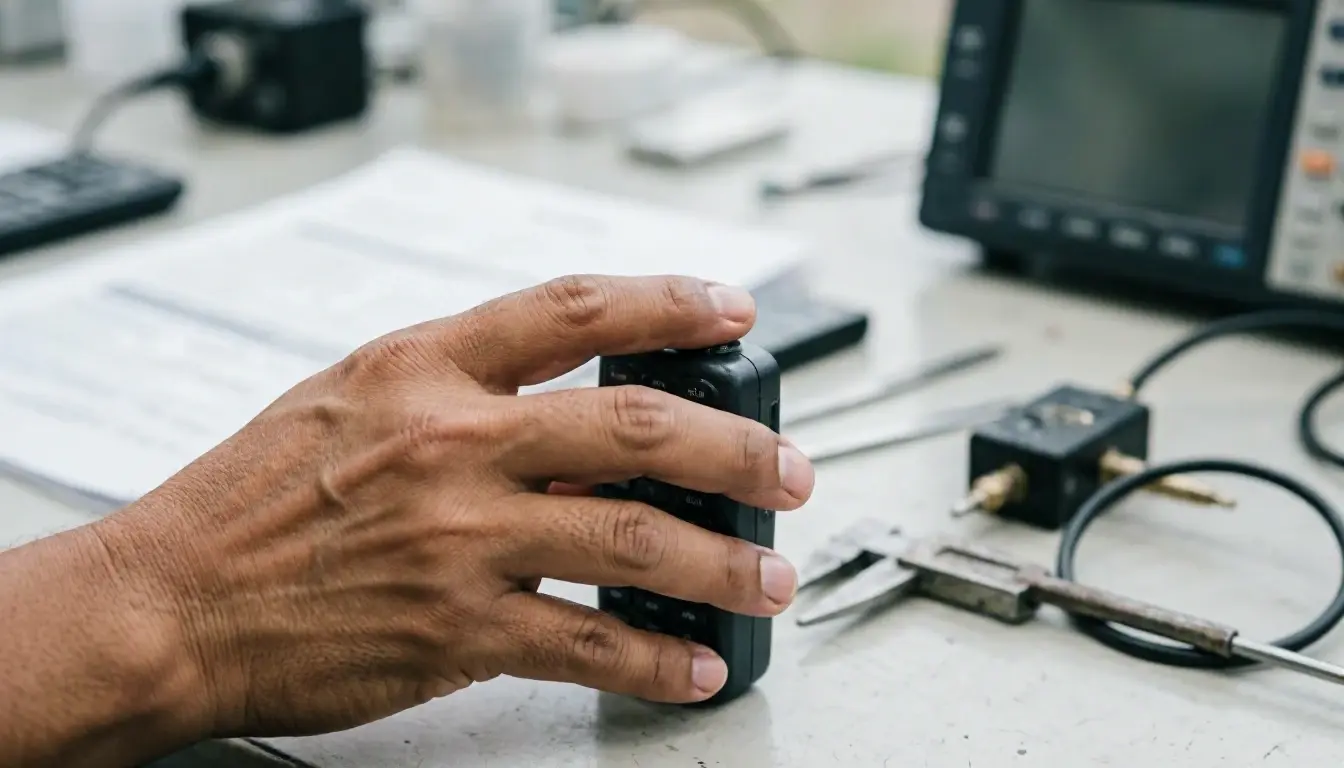
FCC Part 90 is important for reliable, interference-free communication. Without these rules, private radios could face disruptions. This could hurt public safety, businesses. And transport.
Police and fire departments rely on these frequencies. They use them to coordinate emergencies. If devices don't follow Part 90, they could cause interference. This might delay or fail critical responses.
Businesses like taxi fleets and construction firms need these rules too. They depend on radios for daily work. Compliance protects their operations.
Part 90 also ensures fair access to radio spectrum. The FCC regulates frequencies and licenses. This stops big groups from taking all the frequencies. It lets small businesses and public services work without interference.
Not following Part 90 can lead to penalties. You might face fines or lose your devices. This can disrupt work and cost money.
FCC Part 90 is key for groups using private radios. Police and fire departments need it for emergencies. Taxi companies, delivery services. And construction firms use it too.
They rely on it to manage fleets and workers. Radio makers must meet Part 90 standards. If they don't, they can't sell devices in the U.S. Not following the rules can lead to fines.
Local customers face issues during spectrum changes. The FCC sometimes reassigns frequencies. This happens for new tech or services. Users must stay updated to keep devices compliant.
If a frequency band changes, you might need new equipment. You may also need to apply for new licenses. Staying compliant avoids costly disruptions. It keeps communication smooth.
FCC Part 90 compliance is not just about technical standards—it also involves operational discipline. Users must ensure their transmissions stay within assigned frequencies and avoid unauthorized use, which can lead to interference and legal consequences.
A taxi company in New York uses handheld radios to coordinate its fleet. These radios operate on frequencies regulated by FCC Part 90. Before purchasing the devices, the company ensures they meet FCC technical standards and obtains the necessary licenses. This compliance allows the company to communicate reliably without interfering with other services, such as emergency responders.
CERTIBRIDGE
Contact CERTIBRIDGE for practical guidance on FCC Part 90 and related type approval services work in Madagascar.