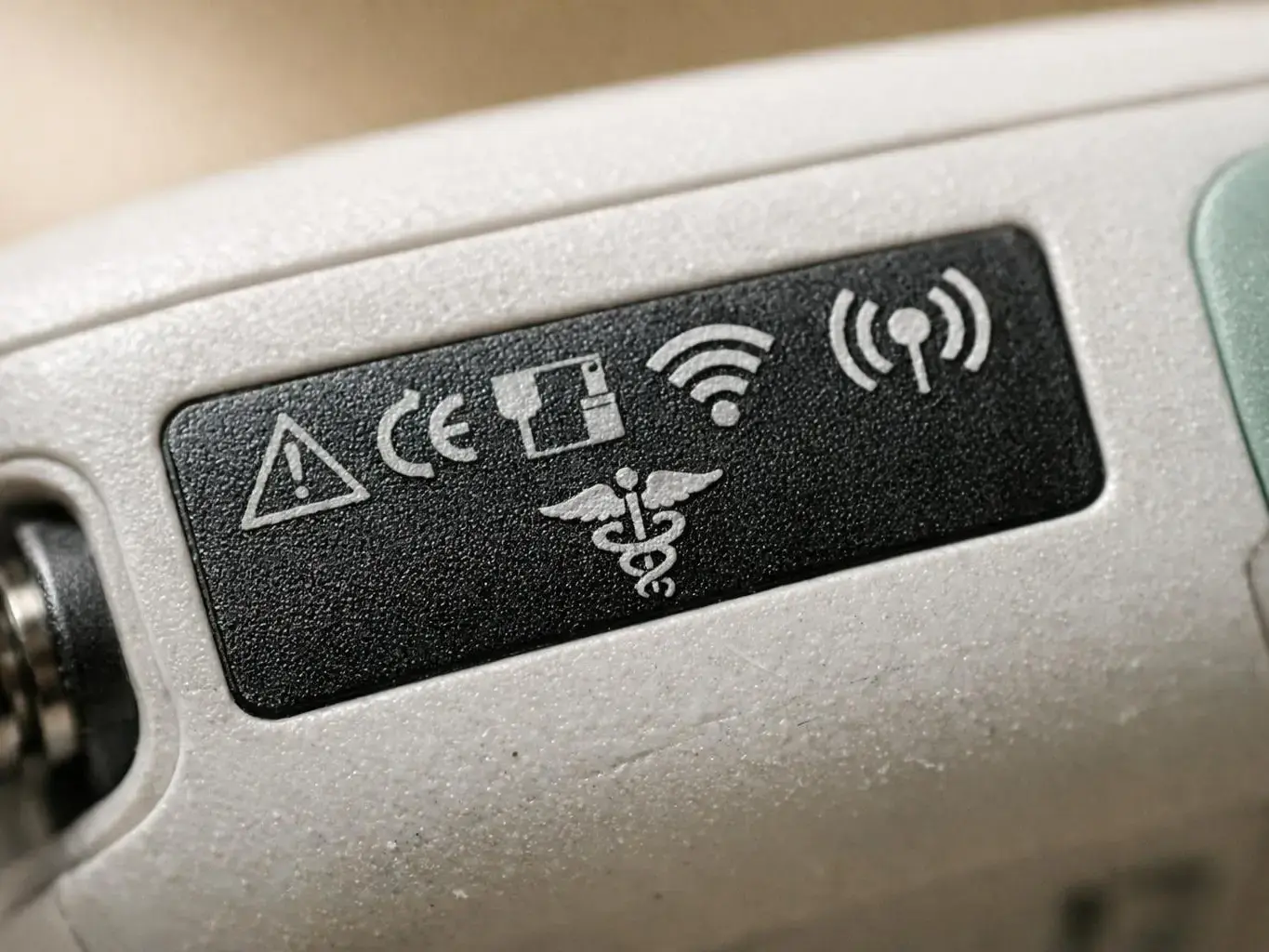
Frequency Allocation is the process by which governments and international bodies assign specific radio frequency bands to different uses, services. Or technologies to prevent interference and ensure efficient spectrum use. It determines which frequencies devices like radios, mobile phones.
Term
Frequency Allocation
Category
Definition
Frequency Allocation is a foundational concept in telecommunications regulation. It refers to the official assignment of specific portions of the radio frequency spectrum to different types of services, such as mobile communications, broadcasting, aviation, maritime navigation. And satellite operations. These allocations are made by national regulatory authorities and coordinated internationally to prevent conflicts and ensure that wireless devices operate without interfering with each other. Without clear frequency allocation, signals from one device could disrupt or block signals from another, leading to unreliable or unsafe communication.
The radio spectrum is a finite natural resource, much like land or water. Because it can't be expanded, it must be managed carefully. Frequency Allocation helps balance competing demands from industries, governments. And public services. For example, the same frequencies used for emergency services cannot be used by consumer devices, as this could endanger lives. Similarly, international flights rely on specific frequencies for navigation and communication, which must remain interference-free across borders.
Frequency Allocation is typically established through a combination of international agreements and national regulations. The International Telecommunication Union (ITU), a United Nations agency, coordinates global spectrum use through the Radio Regulations, which divide the world into three regions and allocate frequency bands for specific services in each. Countries then adopt these allocations into their national laws and assign licenses or permissions to operators and manufacturers.
Each allocated band has defined technical parameters, such as power limits, bandwidth. And modulation types, which devices must comply with to operate legally. For instance, a mobile phone operating in the 900 MHz band must not transmit outside that range or exceed permitted power levels. These rules are enforced through type approval processes, where devices are tested to confirm they meet frequency allocation requirements before they can be sold or used in a country.
In practice, frequency allocation is implemented through licensing and certification. Regulatory bodies issue licenses to telecom operators for specific bands. While manufacturers must obtain type approval for devices to ensure they only operate within approved frequencies. This dual system ensures both network operators and end-user devices comply with national and international spectrum management policies.

Frequency Allocation is critical for maintaining reliable, interference-free communication in a world increasingly dependent on wireless technology. Without it, essential services like emergency communications, air traffic control. And public broadcasting could fail due to signal overlap. It also enables innovation by ensuring that new technologies, such as 5G networks or IoT devices, have dedicated spectrum to operate without disrupting existing services.
In practice, From a business and regulatory perspective, compliance with frequency allocation is a legal requirement. Devices that operate outside allocated bands can be confiscated, fined. Or banned from the market. For manufacturers and importers, understanding frequency allocation is essential for working through type approval processes and ensuring market access. Non-compliance not only risks regulatory penalties but also damages brand reputation and customer trust.
Frequency Allocation becomes especially important during the development, testing. And certification of wireless devices. Manufacturers must design products to operate within the frequency bands allocated for their intended use in each target market. For example, a smartphone designed for Europe may not work legally in Madagascar if it uses frequencies not allocated for mobile services in the country.
It also matters during major technological transitions, such as the rollout of new mobile network generations (e.g., 4G to 5G) or the introduction of new wireless technologies like smart cities or connected vehicles. In these cases, regulators may reallocate or refarm spectrum bands, requiring existing devices to be updated or replaced to remain compliant. And during emergencies or large public events, temporary frequency allocations may be made to support additional communication needs without disrupting regular services.
For businesses importing or manufacturing wireless devices in Madagascar, frequency allocation is a key factor in the type approval process. The local regulatory authority, ARTEC (Autorité de Régulation des Technologies de Communication), enforces national frequency allocation plans aligned with ITU recommendations. Devices must be tested and certified to confirm they operate only within the allocated bands for their service type before they can be legally sold or used in the country.
Frequency Allocation is not static—it evolves with technology and demand. Regulators often refarm or reassign bands as new services emerge. So staying current with national and ITU updates is essential for long-term compliance and market access.
In Madagascar, the 800 MHz band is allocated for mobile broadband services. A smartphone manufacturer must ensure its device operates only within the sub-bands assigned by ARTEC for 4G LTE use. If the device transmits outside these frequencies, it may interfere with other services, such as emergency communications.
CERTIBRIDGE
Contact CERTIBRIDGE for practical guidance on Frequency Allocation and related type approval services work in Madagascar.