ANSI C63.26 is a rule made by ANSI. It tells how to test wireless transmitters in the U.S. It shows test steps, setups. And speed rules. This helps devices meet FCC rules.
Category
Wireless compliance standard
Used for
FCC transmitter certification testing
Common confusion
Often mistaken for general EMC standards like ANSI C63.4
Also called
C63.26
Often discussed with
Telecommunication devices certification, Radio frequency devices regulatory compliance
ANSI C63.26 is a technical standard published by the American National Standards Institute (ANSI) that outlines specific procedures for testing licensed wireless transmitters. These transmitters include devices like land mobile radios, broadcast equipment. And satellite communication systems used in the United States. The standard provides detailed instructions on how to measure radio frequency (RF) performance, ensuring devices operate within the limits set by the Federal Communications Commission (FCC). Without these testing procedures, manufacturers would struggle to prove their products meet legal requirements for safe and reliable operation.
Related glossary terms: FCC Certification, EMC Testing, RF Testing.
The standard was developed by the Accredited Standards Committee C63 on Electromagnetic Compatibility, which includes engineers, regulators. And industry experts. ANSI C63.26 focuses on licensed transmitters, meaning devices that require an FCC license to operate, such as those used by public safety agencies, aviation. Or maritime communications. Unlike unlicensed devices, which follow simpler rules under FCC Part 15, licensed transmitters must meet stricter performance and interference limits to protect shared spectrum resources.
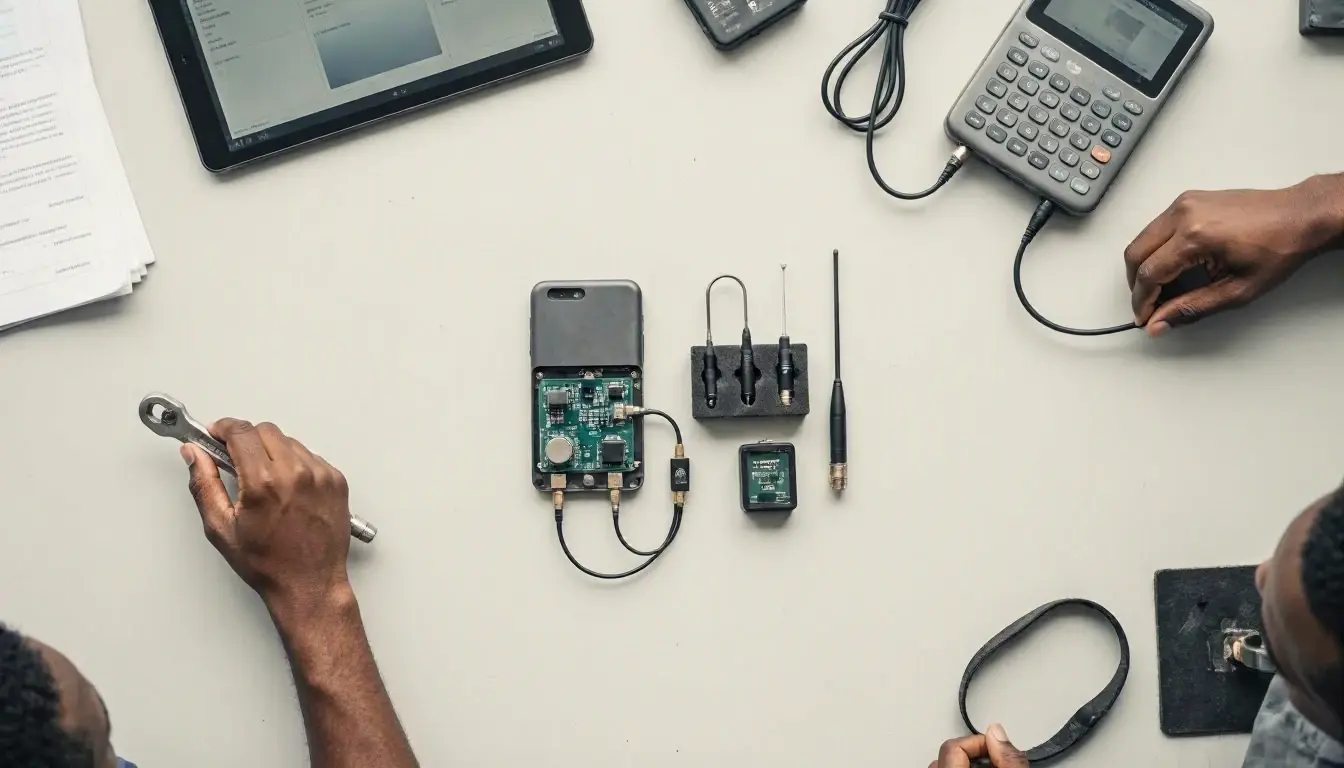
ANSI C63.26 works by defining a series of tests that measure key performance characteristics of wireless transmitters. These tests include checks for output power, frequency accuracy, modulation quality. And spurious emissions. For example, the standard specifies how to measure the power output of a transmitter to ensure it doesn't exceed FCC limits, which could cause interference with other devices. It also details how to test for unwanted emissions, such as harmonics or noise, that could disrupt nearby communications.
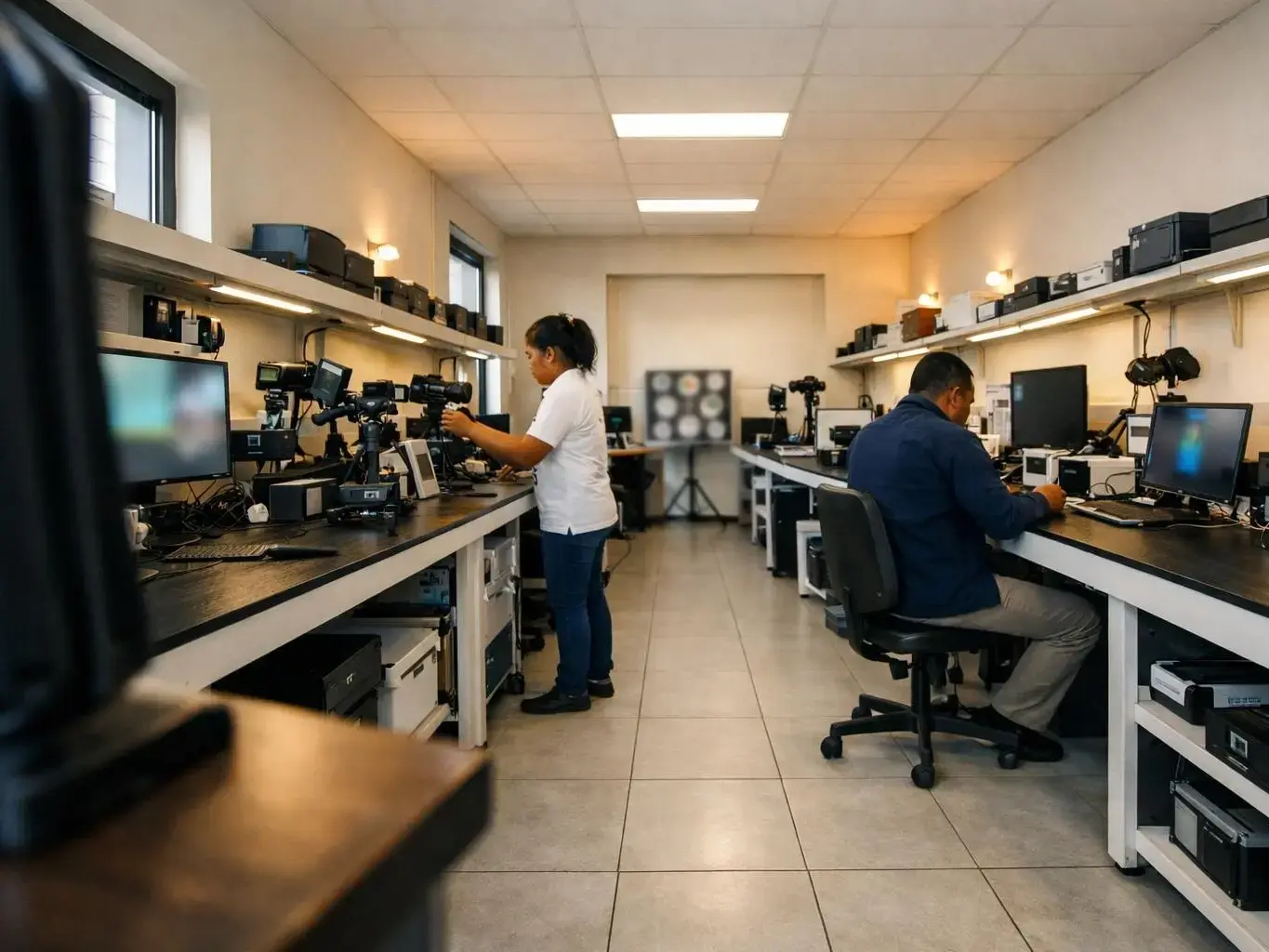
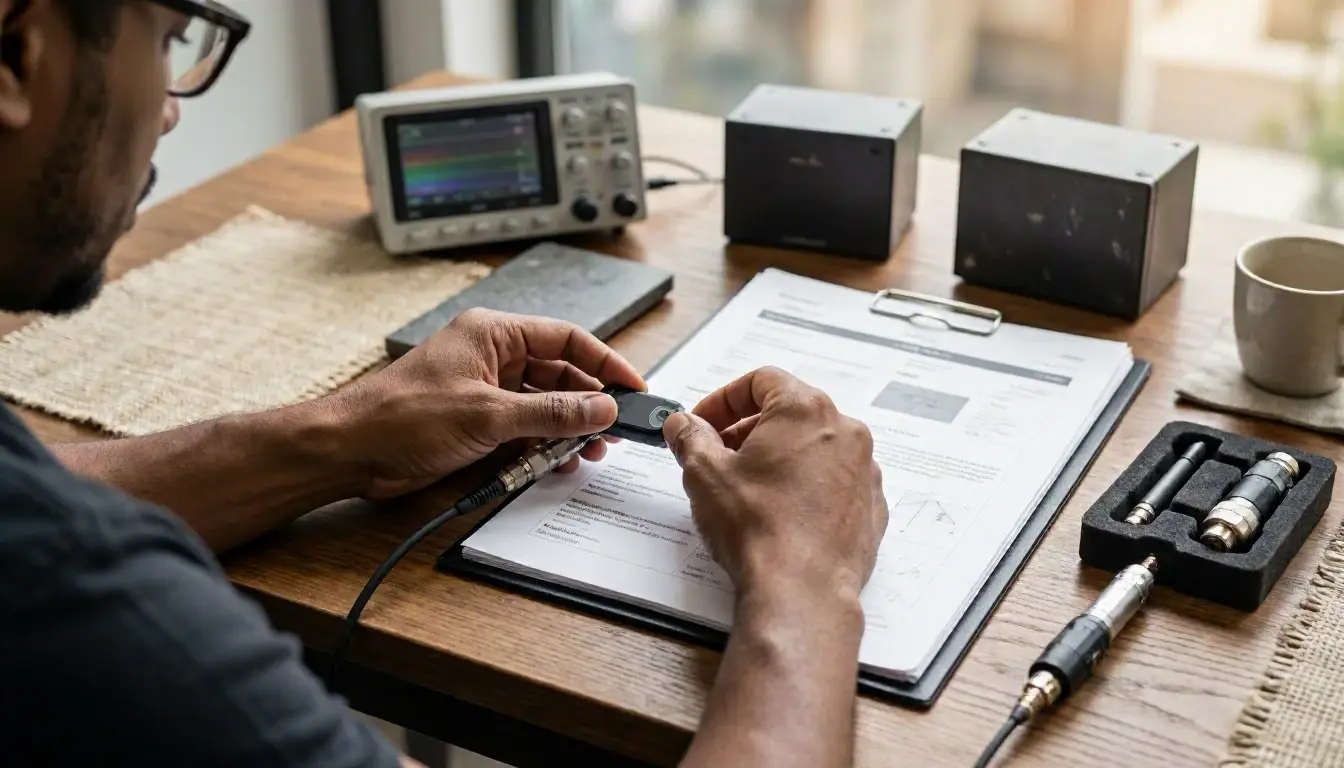
The testing process typically involves placing the transmitter in a controlled environment, such as an anechoic chamber, to isolate it from external interference. Specialized equipment, like spectrum analyzers and signal generators, is used to simulate real-world conditions and measure the device’s performance. The standard provides step-by-step procedures for setting up these tests, including calibration methods and acceptable tolerances. That way consistency across different testing labs and reduces the risk of errors that could lead to non-compliance.
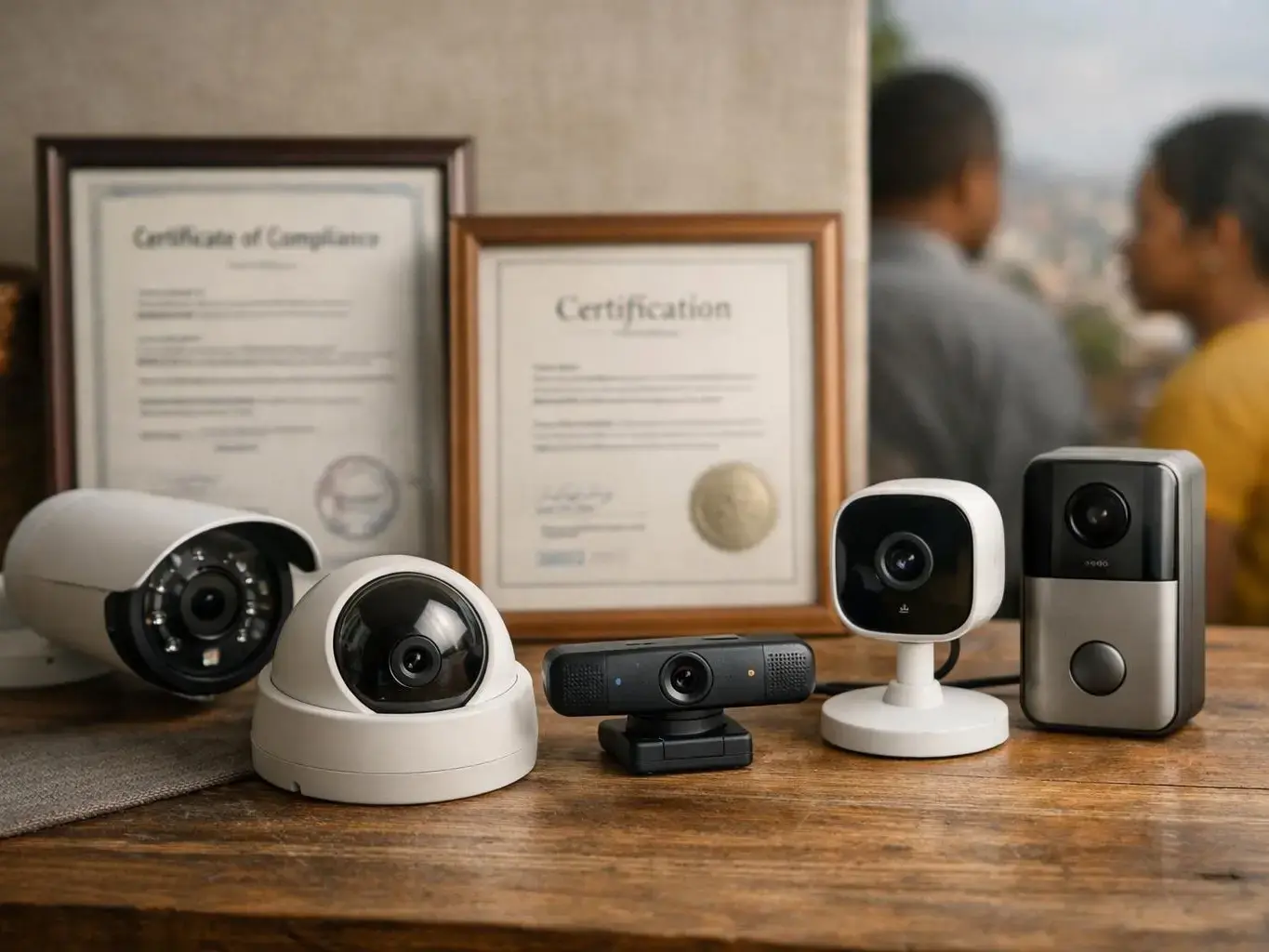
Manufacturers and testing labs rely on ANSI C63.26 to prepare devices for FCC certification. The standard helps identify potential issues early in the development process, allowing engineers to make adjustments before submitting the device for formal approval. Once testing is complete, the results are documented in a test report, which is submitted to the FCC or a Telecommunications Certification Body (TCB) as part of the certification process.
ANSI C63.26 matters because it ensures wireless transmitters operate safely and efficiently within the U.S. Regulatory framework. Licensed transmitters play a critical role in public safety, transportation. And commercial communications. So their reliability is essential. The standard helps prevent interference between devices, which could disrupt emergency services, aviation. Or other vital operations. By following ANSI C63.26, manufacturers can avoid costly redesigns, delays in market access. Or legal penalties for non-compliance.
For local customers, For businesses, compliance with ANSI C63.26 is a key step in bringing wireless products to market. The FCC requires certification for licensed transmitters. And the testing procedures outlined in the standard are often used as the basis for this certification. Without proper testing, a device may fail certification, leading to lost sales or reputational damage. And the standard helps manufacturers demonstrate due diligence, which can be important in liability cases or disputes over interference issues.
ANSI C63.26 matters most during the development, certification. And market introduction phases of licensed wireless transmitters. Manufacturers must consider the standard early in the design process to avoid costly redesigns later. For example, engineers need to ensure the device’s power output and frequency stability meet the requirements outlined in ANSI C63.26. Ignoring these requirements during development can lead to failed tests, delays in certification. And missed market opportunities.
The standard is also critical when a device is being prepared for FCC certification. Testing labs use ANSI C63.26 to verify compliance before submitting the device to the FCC or a TCB. If a device fails any of the tests, manufacturers must address the issues and retest, which can add time and expense to the certification process. And the standard is important for post-market surveillance, as regulators may use it to investigate interference complaints or verify ongoing compliance.
In Madagascar. While the FCC does not have direct authority, ANSI C63.26 remains relevant for manufacturers exporting wireless devices to the U.S. Local type approval services may reference the standard when helping clients navigate U.S. Regulatory requirements, ensuring their products meet the necessary compliance criteria before entering the market.
ANSI C63.4 covers testing for unlicensed devices under FCC Part 15. While ANSI C63.26 focuses on licensed transmitters with stricter requirements.
FCC Part 90 defines the rules for licensed land mobile radios. While ANSI C63.26 provides the testing methods to prove compliance with those rules.
ANSI C63.26 is not just a checklist—it reflects real-world RF engineering challenges. Small design changes, like antenna placement or power supply noise, can dramatically affect test results. So early compliance testing is critical.
A maker builds a new radio for U.S. Safety teams. They use ANSI C63.26 to test power and frequency. They find extra signals and fix the radio. They test again. The report goes to the FCC. The radio can now be used.
FCC Certification is a must-follow rule from the U.S. Federal Communications Commission (FCC). It checks if devices that send radio signals work safely. The rule keeps radio signals from causing harm to other devices. It also keeps people safe. It is needed for items sold or used in the U.S. Like phones and Wi-Fi routers.
EMC Testing checks if a device sends too much noise. It also checks if the device works well near other devices. This testing makes sure products work right in real places. Many laws say products must pass before they can be sold.
RF Testing checks radio signals from wireless devices. It makes sure they meet rules for safety and speed. It also stops signals from mixing with others. Tests look at signal strength, frequency. And how clear the signal is.
Spectrum Allocation is the process by which governments or regulatory bodies divide the electromagnetic spectrum into specific frequency bands and assign them to different uses, such as mobile communications, broadcasting, satellite services. Or emergency communications. That way organized, interference-free access to limited airwaves, enabling reliable wireless services for public, commercial.
Telecom Regulatory Authority is an independent government agency responsible for overseeing, regulating. And enforcing policies in the telecommunications sector. Telecom Regulatory Authorities ensure fair competition, protect consumer rights, allocate spectrum. And enforce technical standards for telecom devices and services to maintain reliability, safety.
CERTIBRIDGE
Contact CERTIBRIDGE for practical guidance on ANSI C63.26 and related type approval services work in Madagascar.