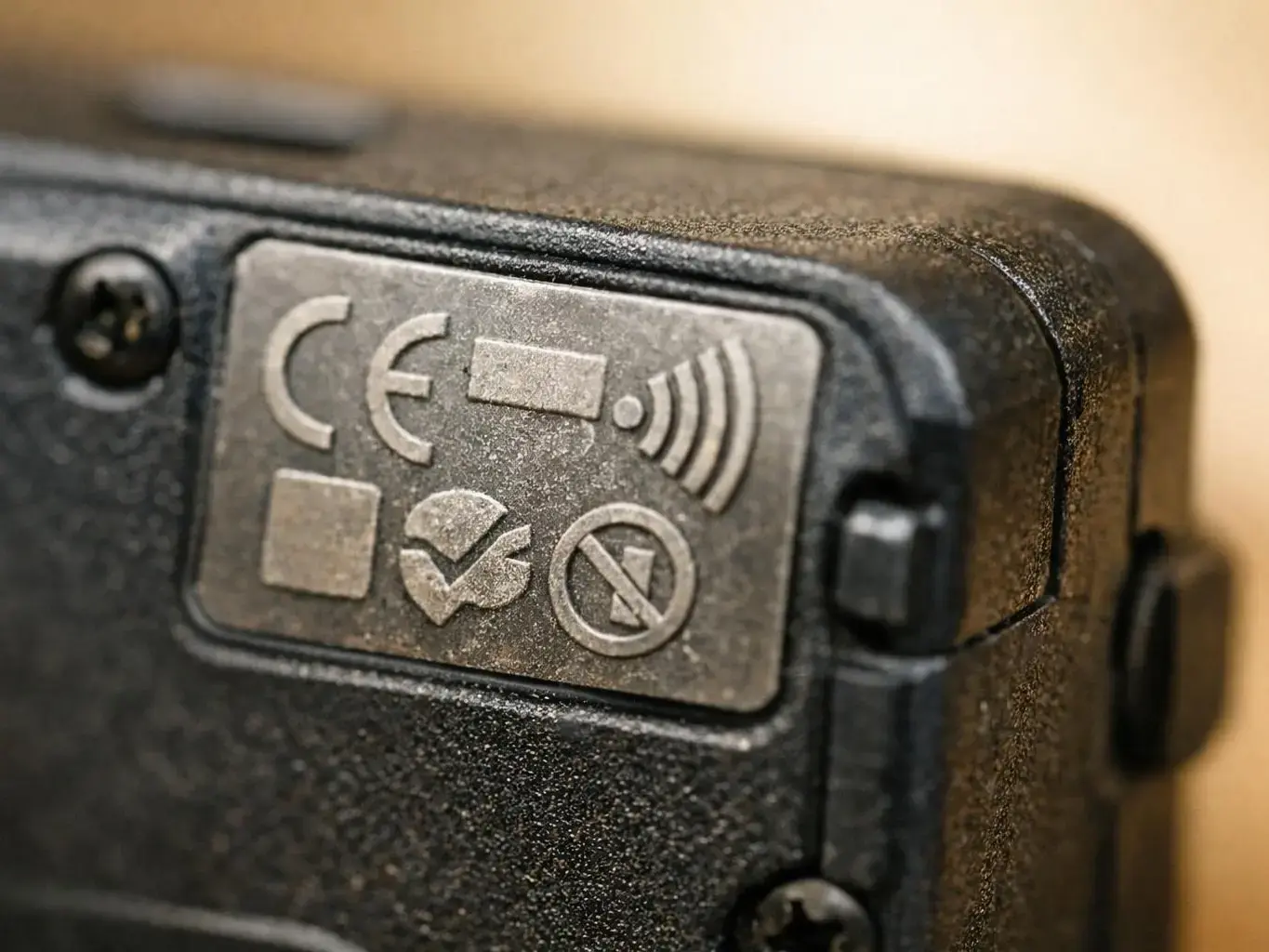
Telecom Regulatory Authority is an independent government agency responsible for overseeing, regulating. And enforcing policies in the telecommunications sector. Telecom Regulatory Authorities ensure fair competition, protect consumer rights, allocate spectrum. And enforce technical standards for telecom devices and services to maintain reliability, safety.
Category
Government regulatory agency
Used for
Telecom policy enforcement and device certification
Common confusion
Often mistaken for telecom service providers or equipment manufacturers
Also called
Telecom Regulator, Communications Regulatory Authority
Often discussed with
CERTIBRIDGE type approval services, Telecom devices regulatory compliance service

A Telecom Regulatory Authority is a specialized government body established to manage and regulate the telecommunications industry within a country. Its primary role is to create a balanced environment where telecom service providers can operate fairly while protecting the interests of consumers. These authorities develop policies, issue licenses. And set technical standards that govern how telecom networks and devices function. Without such oversight, the telecom sector could face issues like unfair competition, poor service quality. Or unsafe devices entering the market.
Related glossary terms: Type Approval, Spectrum Allocation, Frequency Allocation.
In many countries, the Telecom Regulatory Authority operates independently from other government branches to ensure impartial decision-making. This independence helps prevent political influence and allows the authority to focus on long-term goals, such as improving connectivity, building innovation. And ensuring affordable access to telecom services. For example, the authority might allocate radio frequencies to mobile network operators, ensuring that signals don't interfere with each other. It also reviews and approves telecom equipment, such as smartphones or wireless routers, to confirm they meet safety and performance standards before they can be sold to the public.
The work of a Telecom Regulatory Authority typically involves several key functions. First, it allocates and manages radio spectrum, which is the range of frequencies used for wireless communication. Spectrum is a limited resource. So the authority must distribute it efficiently to avoid interference and get the most from its use. For instance, frequencies might be assigned to mobile networks, television broadcasters. Or emergency services, each with specific rules to prevent overlap.
Second, the authority enforces technical standards for telecom devices. Before a device like a smartphone or a wireless modem can be sold, it must undergo testing to ensure it complies with local regulations. This process, often called type approval, checks that the device operates safely, doesn't interfere with other devices. And meets performance requirements. The authority may work with accredited testing laboratories to verify compliance. And the authority monitors the market to ensure that devices already in use continue to meet standards and may take action against non-compliant products.
Third, the authority oversees telecom service providers, ensuring they adhere to licensing conditions, deliver promised service quality. And protect consumer rights. This includes handling complaints from consumers, investigating unfair practices. And imposing penalties for violations. The authority may also promote competition by preventing monopolies and encouraging new entrants into the market, which can lead to better services and lower prices for consumers.

A Telecom Regulatory Authority plays a critical role in ensuring that telecom services are reliable, safe. And accessible to everyone. Without regulation, consumers could face risks such as poor service quality, hidden fees. Or devices that malfunction or cause interference. For businesses, regulation provides a clear framework for operating, which helps them plan investments and innovations without fear of unfair competition or sudden policy changes. The authority also ensures that telecom networks are secure and resilient, which is especially important for emergency services and critical infrastructure.
From an economic perspective, a well-regulated telecom sector can drive growth by enabling digital services, e-commerce. And remote work. The authority’s policies can help bridge the digital divide by ensuring that rural and underserved areas have access to telecom services. And by enforcing technical standards, the authority helps local manufacturers and importers compete globally, as compliant devices can more easily enter international markets. Ultimately, the authority’s work supports a thriving telecom ecosystem that benefits both consumers and businesses.
The role of a Telecom Regulatory Authority becomes especially important in several situations. For manufacturers and importers, compliance with the authority’s regulations is essential before launching a new telecom device. Failure to obtain type approval can result in legal penalties, product recalls. Or bans from the market. For telecom service providers, the authority’s decisions on spectrum allocation, licensing. And competition rules directly impact their ability to operate and expand services.
Consumers rely on the authority when they encounter issues like poor service quality, billing disputes. Or unsafe devices. The authority provides a channel for resolving complaints and holding providers accountable. During emergencies, such as natural disasters or public safety incidents, the authority ensures that telecom networks remain operational and prioritize critical communications. And the authority’s policies can influence broader technological trends, such as the rollout of 5G networks or the adoption of Internet of Things (IoT) devices, by setting the rules that govern these innovations.
Many projects start with In Madagascar, the Telecom Regulatory Authority ensures that telecom devices and services meet local standards, which is crucial for businesses seeking to enter the market. Companies working with type approval services must engage with the authority to ensure their products comply with national regulations before they can be sold or used in the country.
A Local Regulatory Authority oversees broader regulatory matters within a region. While a Telecom Regulatory Authority focuses specifically on telecom policies, spectrum allocation. And device compliance.
A Certification Body tests and certifies products for compliance with standards. But it does not create regulations or enforce policies like a Telecom Regulatory Authority.
A Telecom Regulatory Authority’s effectiveness depends on its independence, technical expertise. And ability to adapt to rapid technological changes. Stakeholders should engage with the authority early in product development to avoid compliance delays.
A smartphone manufacturer wants to sell its latest model in Madagascar. Before launching, the company must submit the device to the local Telecom Regulatory Authority for type approval. The authority reviews test reports to ensure the phone meets safety, performance. And frequency allocation standards. Once approved, the manufacturer can legally sell the device in the country.
Type Approval is a formal certification process that confirms a product model meets specific technical and regulatory standards set by a government or industry authority. Type Approval ensures the product is safe, compatible.
Spectrum Allocation is the process by which governments or regulatory bodies divide the electromagnetic spectrum into specific frequency bands and assign them to different uses, such as mobile communications, broadcasting, satellite services. Or emergency communications. That way organized, interference-free access to limited airwaves, enabling reliable wireless services for public, commercial.
Frequency Allocation is the process by which governments and international bodies assign specific radio frequency bands to different uses, services. Or technologies to prevent interference and ensure efficient spectrum use. It determines which frequencies devices like radios, mobile phones.
Local Regulatory Authority is an official government body or agency responsible for enforcing laws, setting standards. And overseeing compliance within a specific country, region. Or industry. These authorities ensure products, services. Or activities meet legal, safety.
ITU Regulations are binding international treaties adopted by the International Telecommunication Union (ITU) that govern the use of radio frequencies, satellite orbits. And telecommunications standards worldwide. These regulations ensure interference-free communication, equitable access to spectrum.
CERTIBRIDGE
Contact CERTIBRIDGE for practical guidance on Telecom Regulatory Authority and related type approval services work in Madagascar.