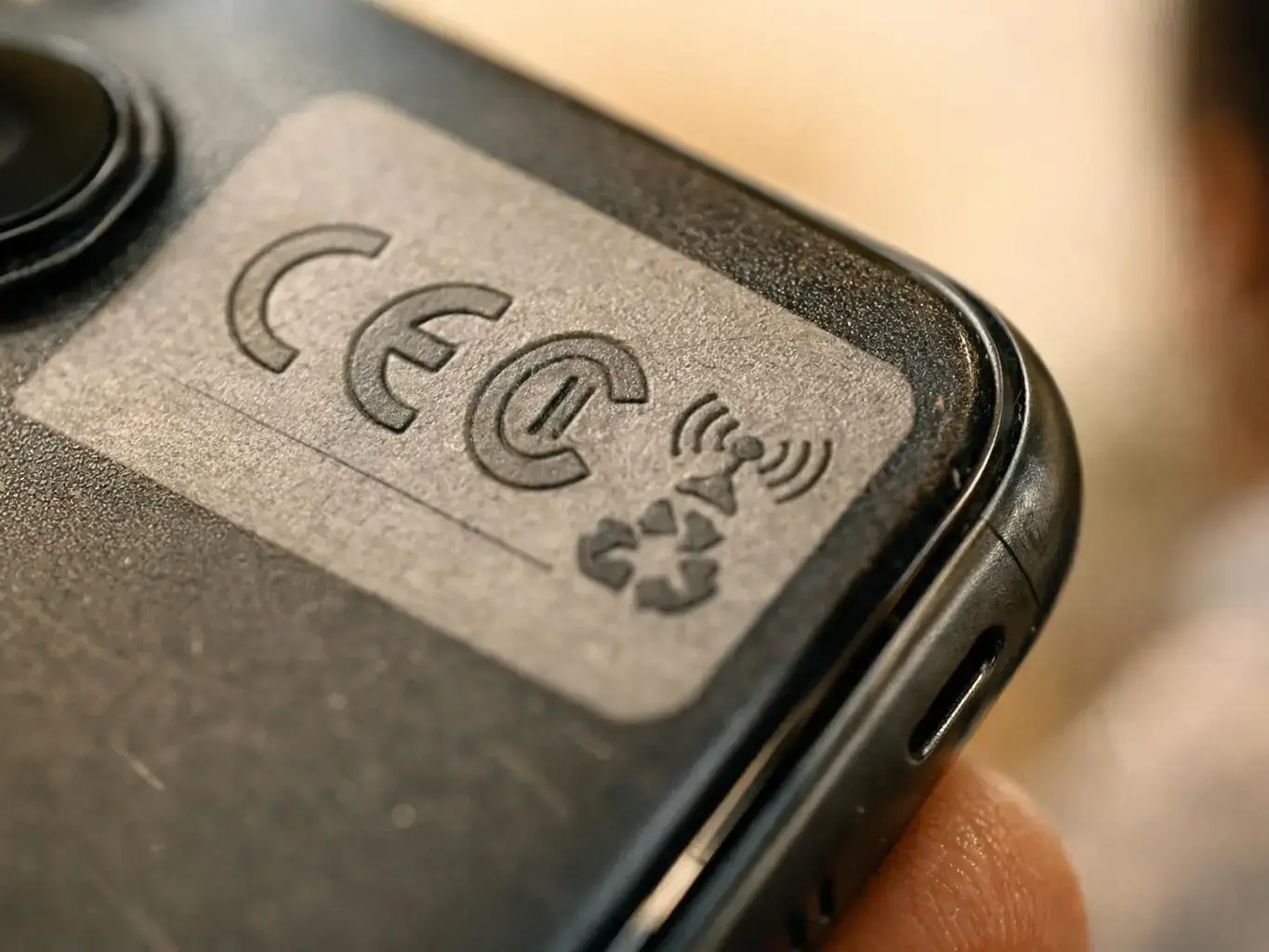
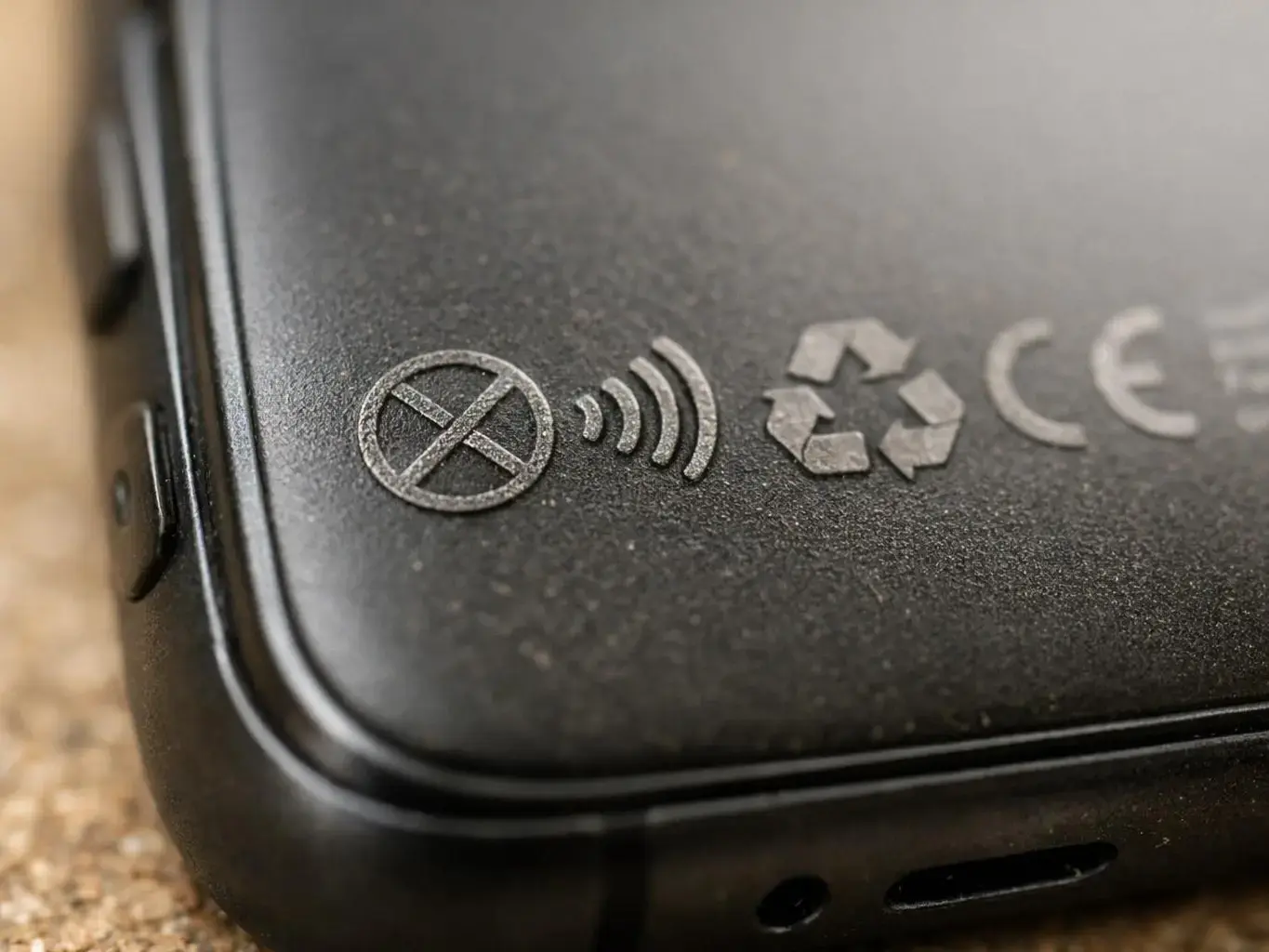
Spectrum Allocation is the process by which governments or regulatory bodies divide the electromagnetic spectrum into specific frequency bands and assign them to different uses, such as mobile communications, broadcasting, satellite services. Or emergency communications. That way organized, interference-free access to limited airwaves, enabling reliable wireless services for public, commercial.
Term
Spectrum Allocation
Category
Definition
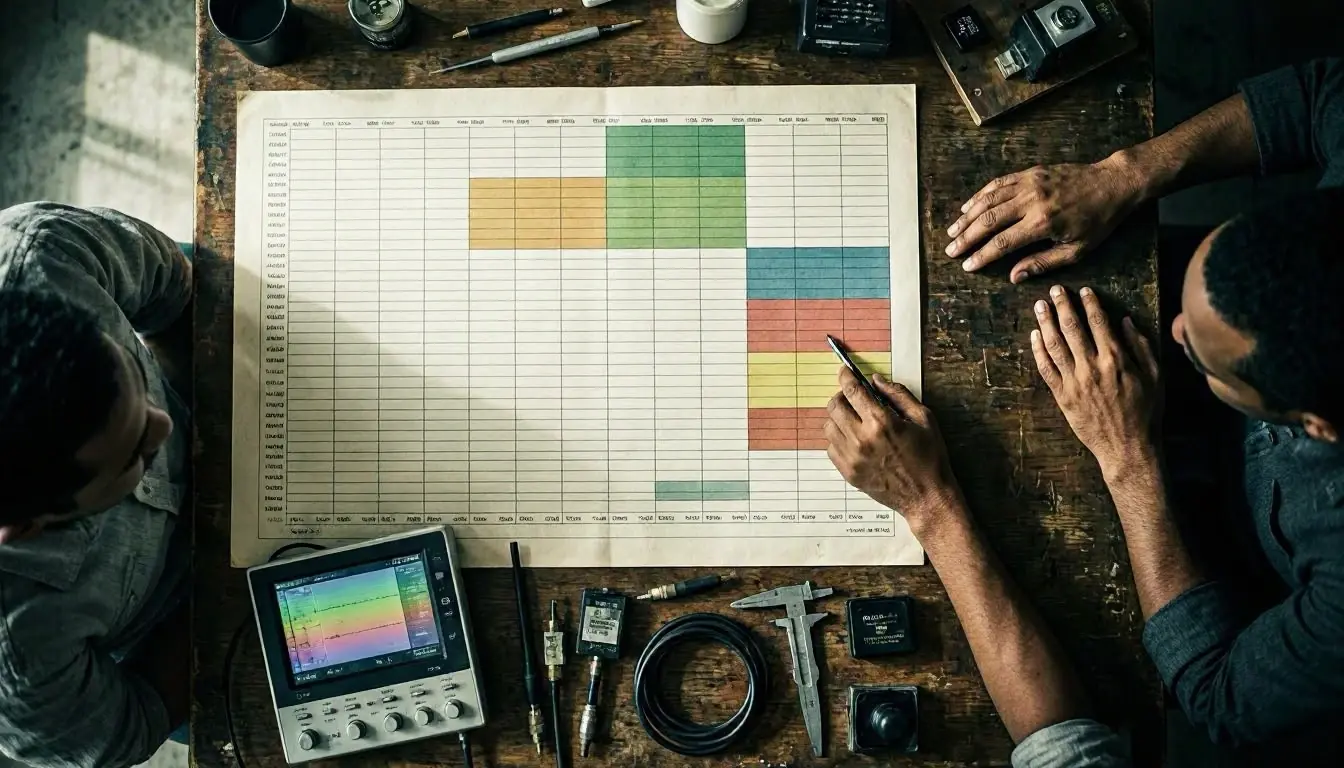
The electromagnetic spectrum is a natural resource. It includes all frequencies of electromagnetic radiation. These range from low-frequency radio waves to high-frequency gamma rays.
Spectrum Allocation is how this resource is divided. Each band gets assigned to a specific use. Uses include mobile phones, television, Wi-Fi. Or aviation communication. Demand for wireless services is growing. But the spectrum is finite. Allocation keeps services from interfering with each other.
Governments and groups like the International Telecommunication Union (ITU) manage this. They set rules for which bands are for commercial use, public safety. Or research. These rules stop conflicts between devices and services. That way, a phone call won’t disrupt air traffic control or emergency radios.
Allocation also looks at technical factors. It considers how far a signal can travel and how much data it can carry. Bands are matched with the right applications based on these factors.
Spectrum Allocation follows a clear process. First, regulators pick bands that fit different services. They do this based on technical traits. For example, lower-frequency bands, like AM radio, travel far. They also go through buildings well. That makes them great for wide coverage.
Higher-frequency bands, like 5G, carry more data. But they don’t travel as far. Obstacles can block them more easily. Once bands are picked, governments assign them. They do this through licenses or unlicensed access.
Licensed bands are often auctioned to companies. Mobile network operators pay for exclusive rights to a frequency range. Unlicensed bands, like Wi-Fi and Bluetooth, are open to everyone. But they must follow strict rules to avoid interference.
Allocation also sets standards for devices. These include power limits and how signals are shaped. International coordination is key, especially for services like satellites. The ITU divides the world into regions. It allocates spectrum globally to keep countries from interfering with each other.
National regulators, like Madagascar’s ARTEC, adapt these rules. They fit global allocations to local needs. They also make sure the country follows international agreements.
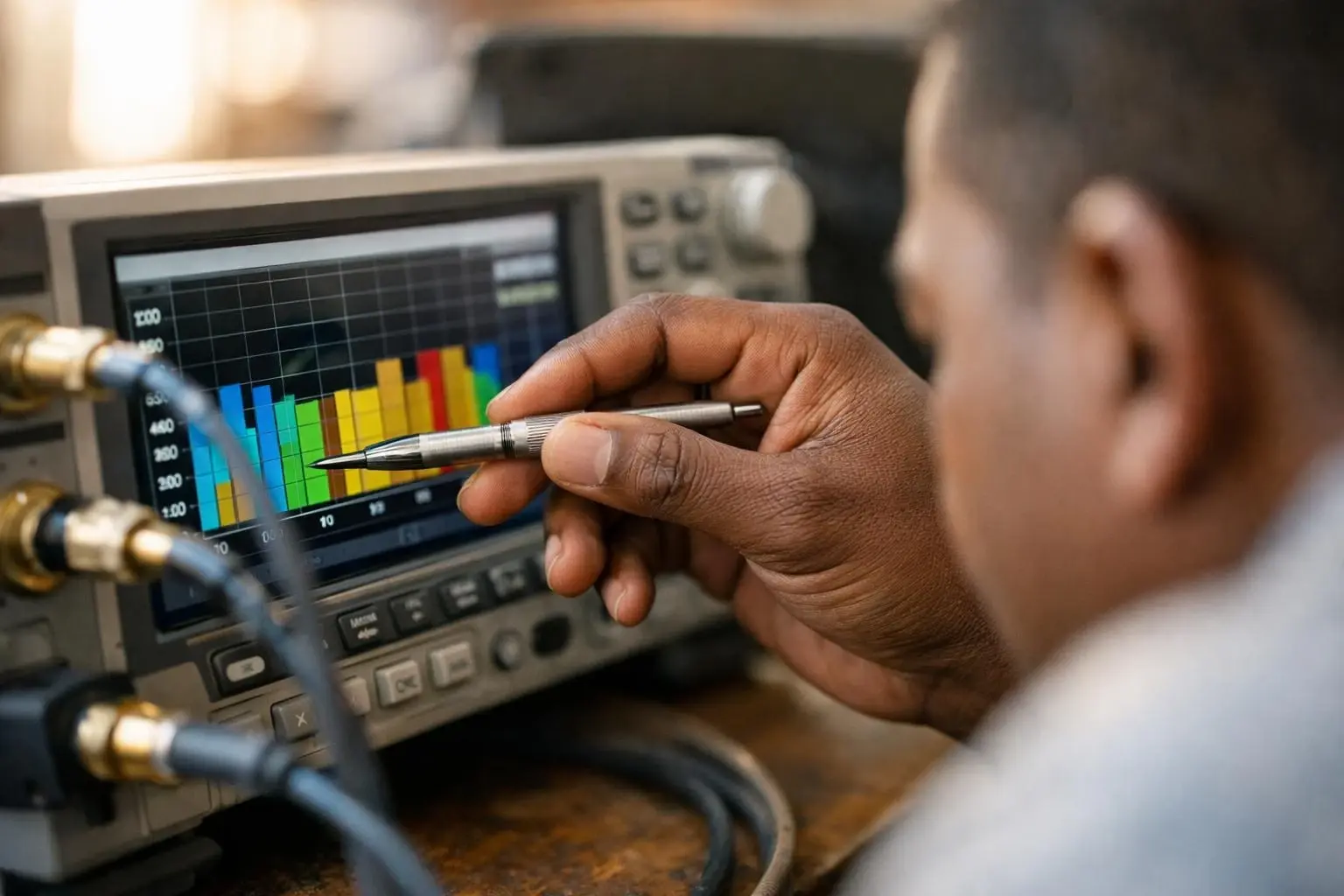
Spectrum Allocation is vital for modern wireless tech. Without it, devices would interfere with each other. That could cause poor performance, dropped calls. Or bad internet.
For example, two broadcasters might use the same frequency. Viewers would get overlapping signals. The picture could scramble or become unwatchable. Allocation stops this by giving each service its own band.
Allocation also helps the economy and innovation. It assigns bands to new tech like 5G, IoT. And smart cities. That lets businesses and consumers get faster, more reliable services. It also makes sure critical services, like emergencies and aviation, get priority. This cuts the risk of dangerous disruptions.
Spectrum Allocation matters most during big tech changes. When new tech like 5G or satellite internet comes out, regulators must act. They decide which bands it can use. They also plan how it’ll work with existing services.
This process balances new and old users. It considers public and private needs. For device makers and importers, following these rules is a must. Before selling a device, like a phone or Wi-Fi router, it must be certified. It has to work within the bands allowed in that country.
In Madagascar, devices need approval from ARTEC. This group checks that devices follow national and international rules. If they don’t comply, they could face fines, recalls. Or legal trouble.
Allocation also helps during emergencies or big events. After a disaster, regulators might give spectrum to emergency services. That keeps communication reliable. During events like the African Games, extra spectrum goes to mobile operators. This helps handle more demand for wireless services.
Spectrum Allocation is not static—it evolves with technology and demand. Regulators must balance innovation with interference protection, often repurposing bands as older services decline.
In Madagascar, mobile network operators must obtain licenses to use specific frequency bands allocated for 2G, 3G. And 4G services. A smartphone imported into the country must be certified to operate only within these bands; if it also uses bands not allocated for mobile services in Madagascar, it could interfere with other services, such as emergency radio.
CERTIBRIDGE
Contact CERTIBRIDGE for practical guidance on Spectrum Allocation and related type approval services work in Madagascar.