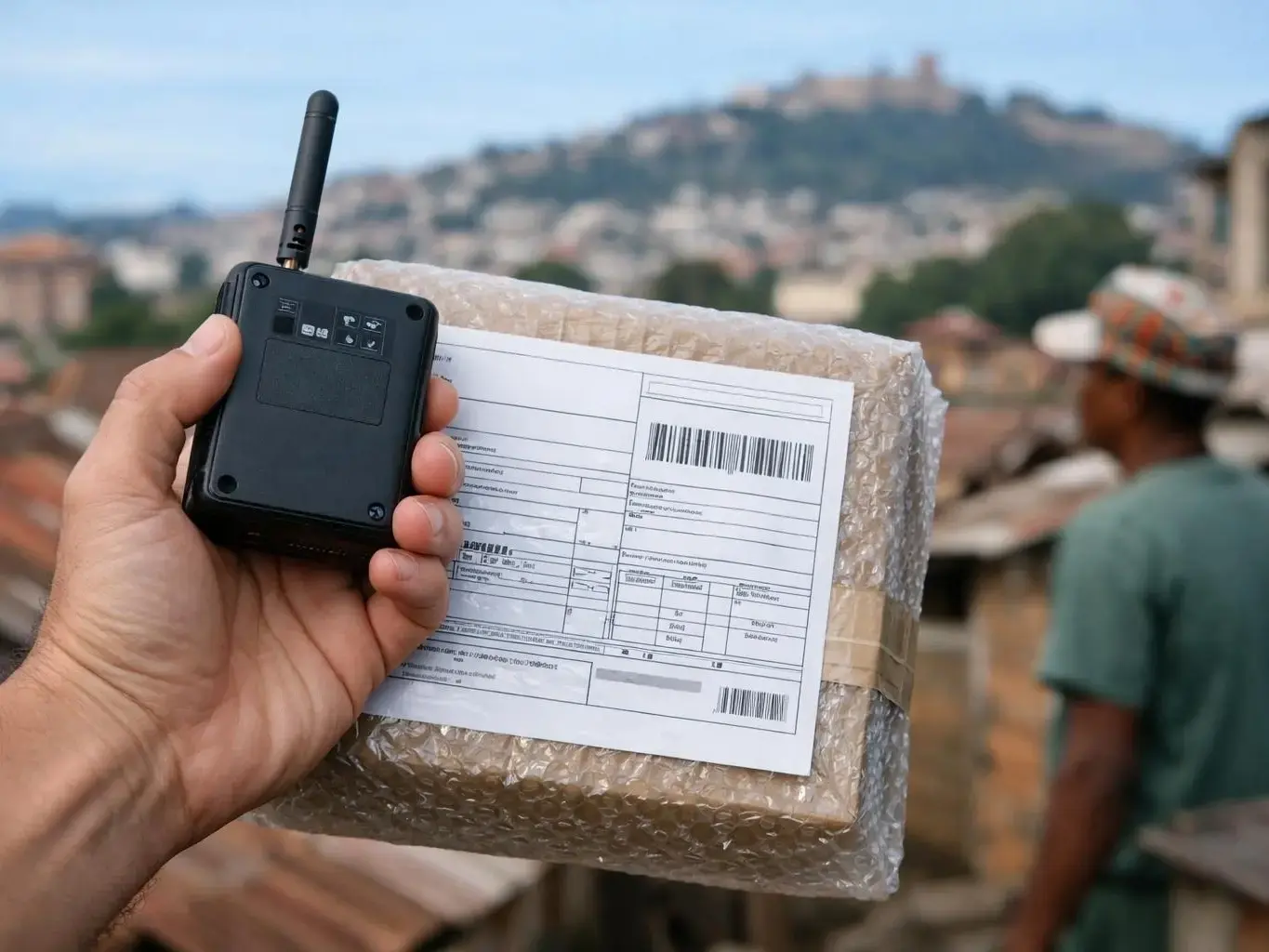
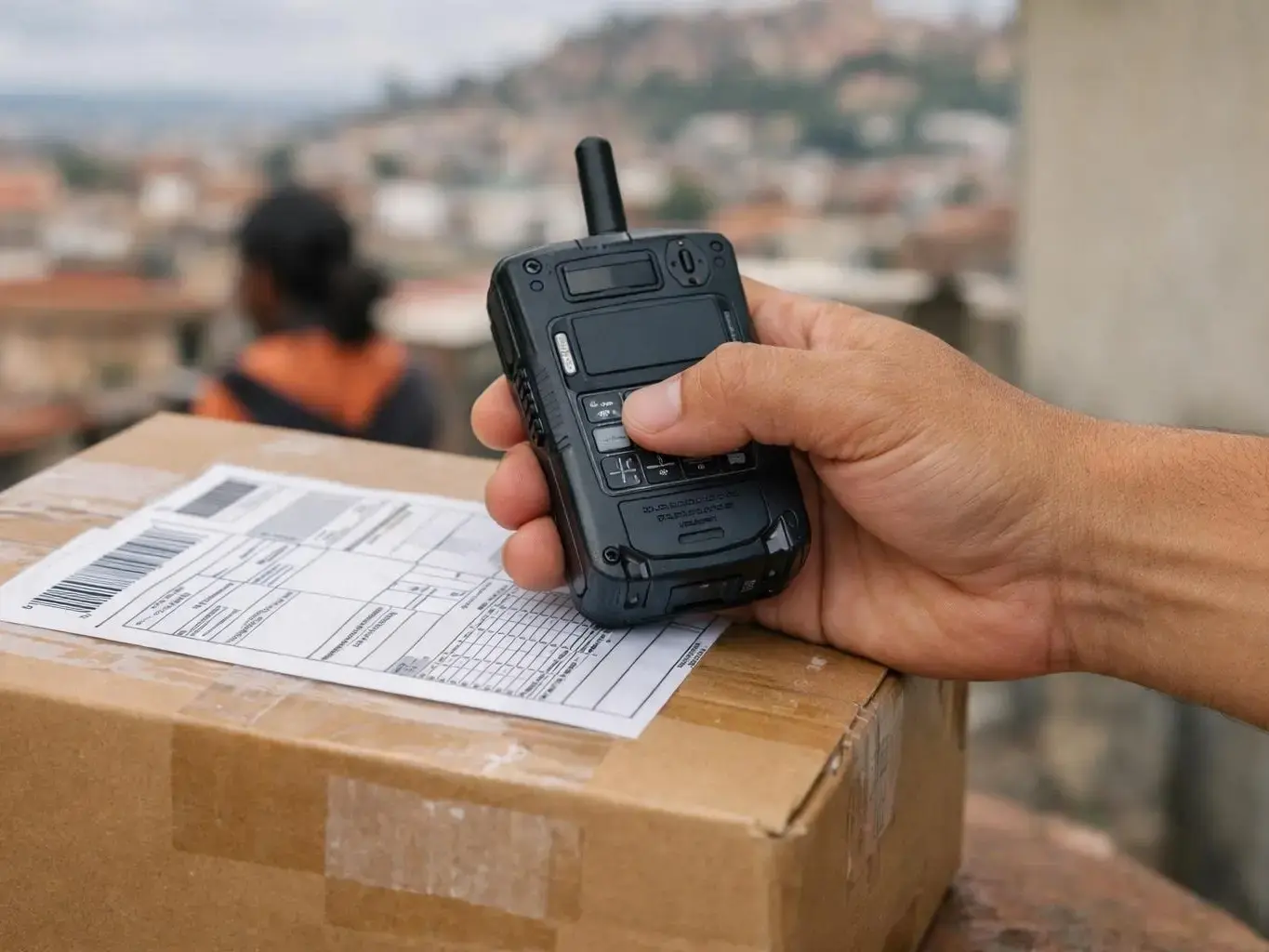
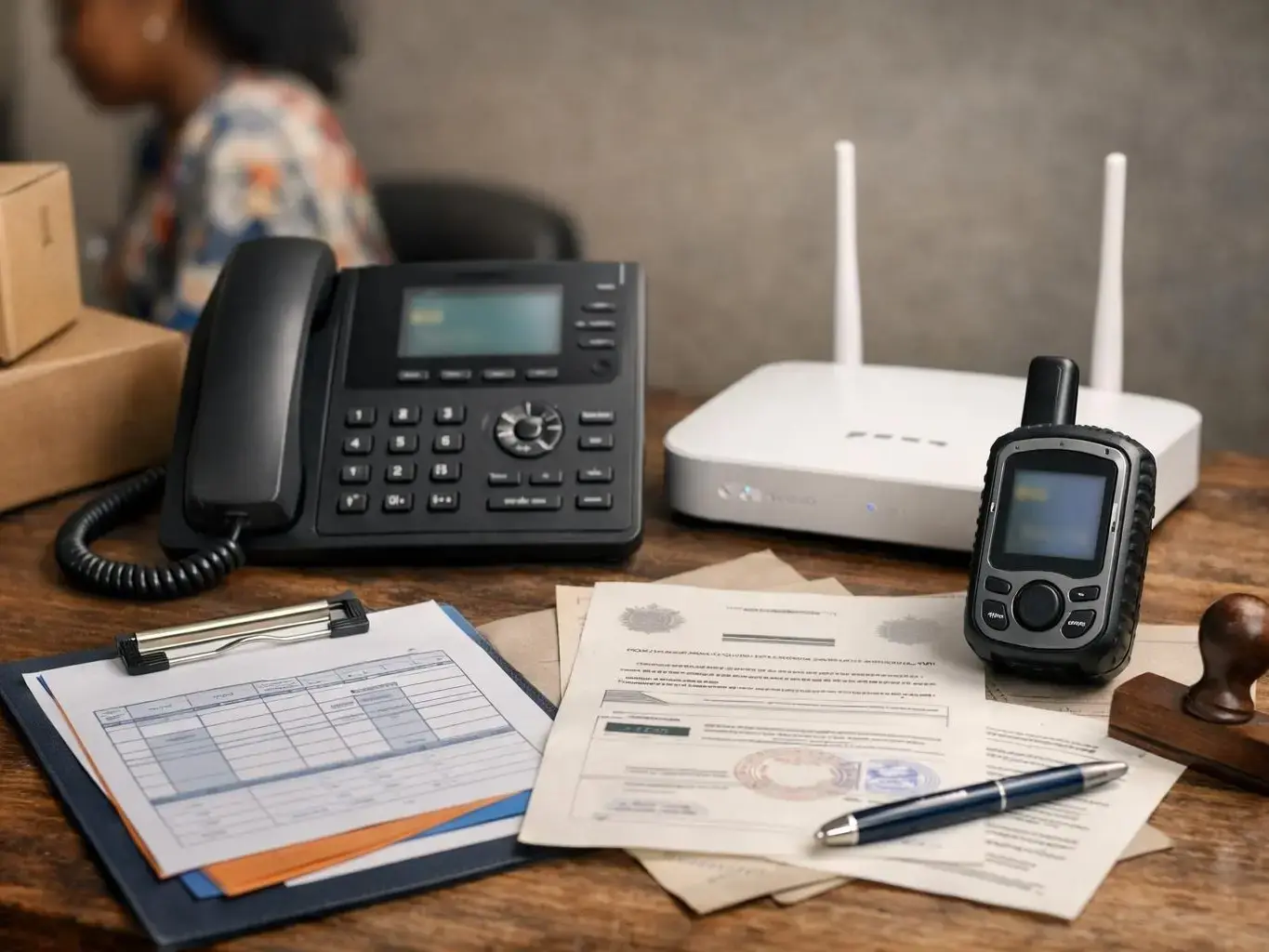
EMC Testing checks if a device sends too much noise. It also checks if the device works well near other devices. This testing makes sure products work right in real places. Many laws say products must pass before they can be sold.
Category
Electromagnetic compliance
Used for
Market access and product reliability
Common confusion
Often mistaken for RF testing or safety testing
Also called
Electromagnetic Compatibility Testing, EMI Testing
Often discussed with
CERTIBRIDGE type approval services
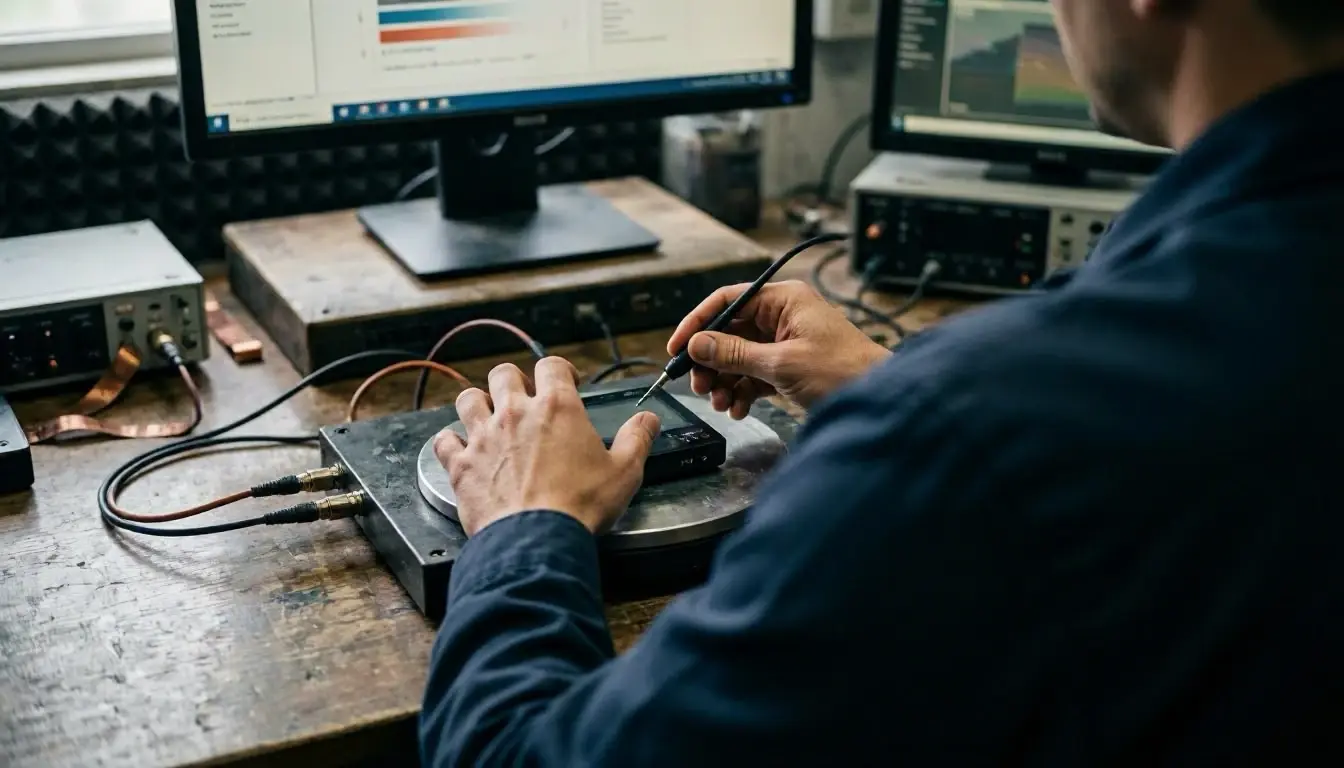
EMC Testing stands for Electromagnetic Compatibility Testing. It's a process that evaluates how electronic devices interact with their electromagnetic environment. That is the practical point. Every electronic device emits some level of electromagnetic energy, often called interference or noise. This noise can disrupt other nearby devices, causing malfunctions or failures. EMC Testing ensures that a product neither emits excessive interference nor is overly sensitive to interference from other sources.
Related glossary terms: EMC Directive, FCC Certification, IEC Standards.
Electromagnetic interference can take many forms. It might be radio waves from a smartphone interfering with a car’s GPS. Or electrical noise from a motor affecting a medical monitor. EMC Testing addresses both sides of this problem: emissions testing measures the interference a device emits. While immunity testing measures how well a device resists interference from external sources. Together, these tests confirm that a product will work reliably in real-world conditions, where multiple electronic devices operate near each other.
EMC Testing is conducted in controlled laboratory environments called anechoic chambers or shielded rooms. These spaces block outside electromagnetic signals, allowing testers to measure only the emissions from the device under test. Specialized equipment, such as spectrum analyzers and antennas, captures and measures the electromagnetic energy emitted by the device. Testers compare these measurements against limits set by regulatory standards, such as those from the International Electrotechnical Commission (IEC) or the Federal Communications Commission (FCC).
Immunity testing works in the opposite direction. Testers expose the device to controlled levels of electromagnetic interference, such as radio frequencies, electrical surges. Or electrostatic discharges. The device must continue to operate normally during and after these tests. If it fails, designers must modify the product to improve its shielding, filtering. Or grounding. The result is common sources of interference include nearby radio transmitters, power lines. Or even other electronic devices. By passing immunity tests, a product proves it can handle real-world electromagnetic challenges without failing.
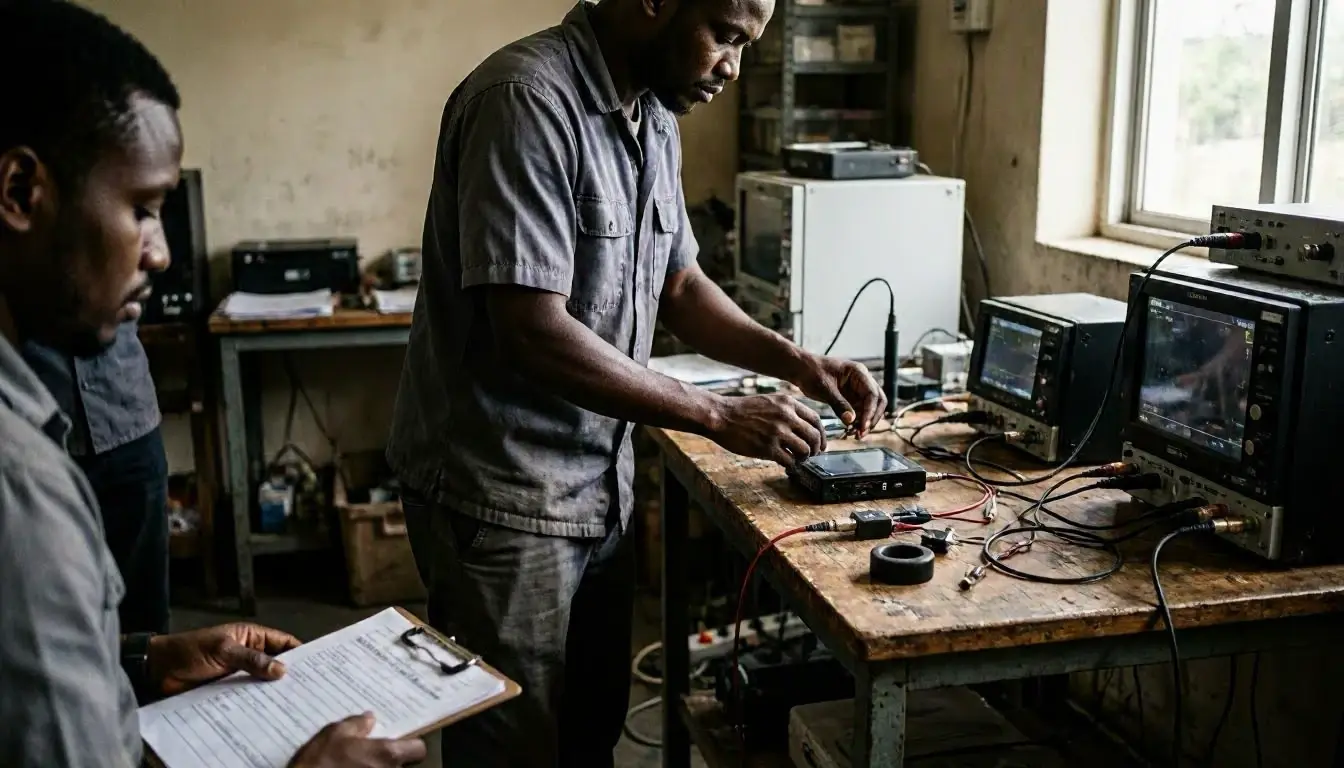
Without EMC Testing, electronic devices could cause serious problems. For example, a poorly shielded medical device might malfunction due to interference from a nearby smartphone, putting patients at risk. Similarly, a vehicle’s safety systems could fail if exposed to strong electromagnetic fields from power lines or radio towers. EMC Testing reduces these risks by ensuring products operate safely and reliably in their intended environments.
A practical next step is Beyond safety, EMC Testing is a legal requirement in most markets. Governments and regulatory bodies, such as the FCC in the United States or the European Union’s EMC Directive, mandate EMC compliance before products can be sold. Non-compliant products may be blocked from the market, face recalls. Or result in costly legal penalties. For manufacturers, EMC Testing is not just a technical step—it is a critical part of bringing a product to market and protecting brand reputation.
EMC Testing is especially important for products that operate in sensitive environments or near other electronic devices. Medical devices, automotive electronics. And aerospace equipment undergo rigorous EMC Testing because failures could have life-threatening consequences. Consumer electronics, such as smartphones, laptops. And smart home devices, also require EMC Testing to ensure they don't interfere with each other or with household appliances.
Manufacturers should prioritize EMC Testing early in the product development cycle. Identifying and fixing EMC issues during design is far less expensive than addressing them after production. For example, adding proper shielding or filtering late in development can delay product launches and increase costs. EMC Testing also matters during certification processes, where compliance with local regulations is necessary for market access. In Madagascar, as in other countries, type approval services often require EMC Testing as part of the certification process for telecommunications and electronic devices.
RF Testing focuses on radio frequency performance, such as signal strength and range. While EMC Testing ensures a device does not interfere with or get disrupted by other electronics.
Safety Testing checks for electrical hazards like shocks or fires. While EMC Testing addresses electromagnetic interference and immunity.
SAR Testing measures radio frequency exposure to humans. While EMC Testing focuses on device-to-device interference.
EMC Testing is not a one-size-fits-all process. Different industries and markets have unique standards and limits. For example, medical devices face stricter immunity requirements than consumer electronics. While automotive electronics must withstand harsher electromagnetic environments. Always tailor testing to the product’s intended use and regulatory landscape.
A maker builds a new smartwatch. They send it for EMC Testing. The lab finds the watch’s Bluetooth hurts Wi-Fi routers. The maker fixes the watch’s shield to cut noise. Later, tests show the watch fails near strong radio signals. They add more filters. The watch passes both tests. It gets certified for sale.
EMC Directive is a European Union regulation (2014/30/EU) that sets essential requirements to ensure electrical and electronic equipment doesn't generate electromagnetic interference (EMI) beyond acceptable limits and can operate without unacceptable degradation in the presence of EMI. It applies to most products sold in the EU market, requiring compliance before affixing the CE marking.
FCC Certification is a must-follow rule from the U.S. Federal Communications Commission (FCC). It checks if devices that send radio signals work safely. The rule keeps radio signals from causing harm to other devices. It also keeps people safe. It is needed for items sold or used in the U.S. Like phones and Wi-Fi routers.
IEC Standards are global rules made by the International Electrotechnical Commission. They keep electrical and electronic products safe. They also help products work well together. IEC Standards cover items like home appliances, factory machines. And green energy setups. They give makers, regulators. And labs a shared set of rules.
RF Testing checks radio signals from wireless devices. It makes sure they meet rules for safety and speed. It also stops signals from mixing with others. Tests look at signal strength, frequency. And how clear the signal is.
Radio Frequency Interference is unwanted electromagnetic energy that disrupts the normal operation of electronic devices, radio communications. Or wireless networks. It occurs when signals from one source, such as a radio transmitter, electrical equipment.
CERTIBRIDGE
Contact CERTIBRIDGE for practical guidance on EMC Testing and related type approval services work in Madagascar.