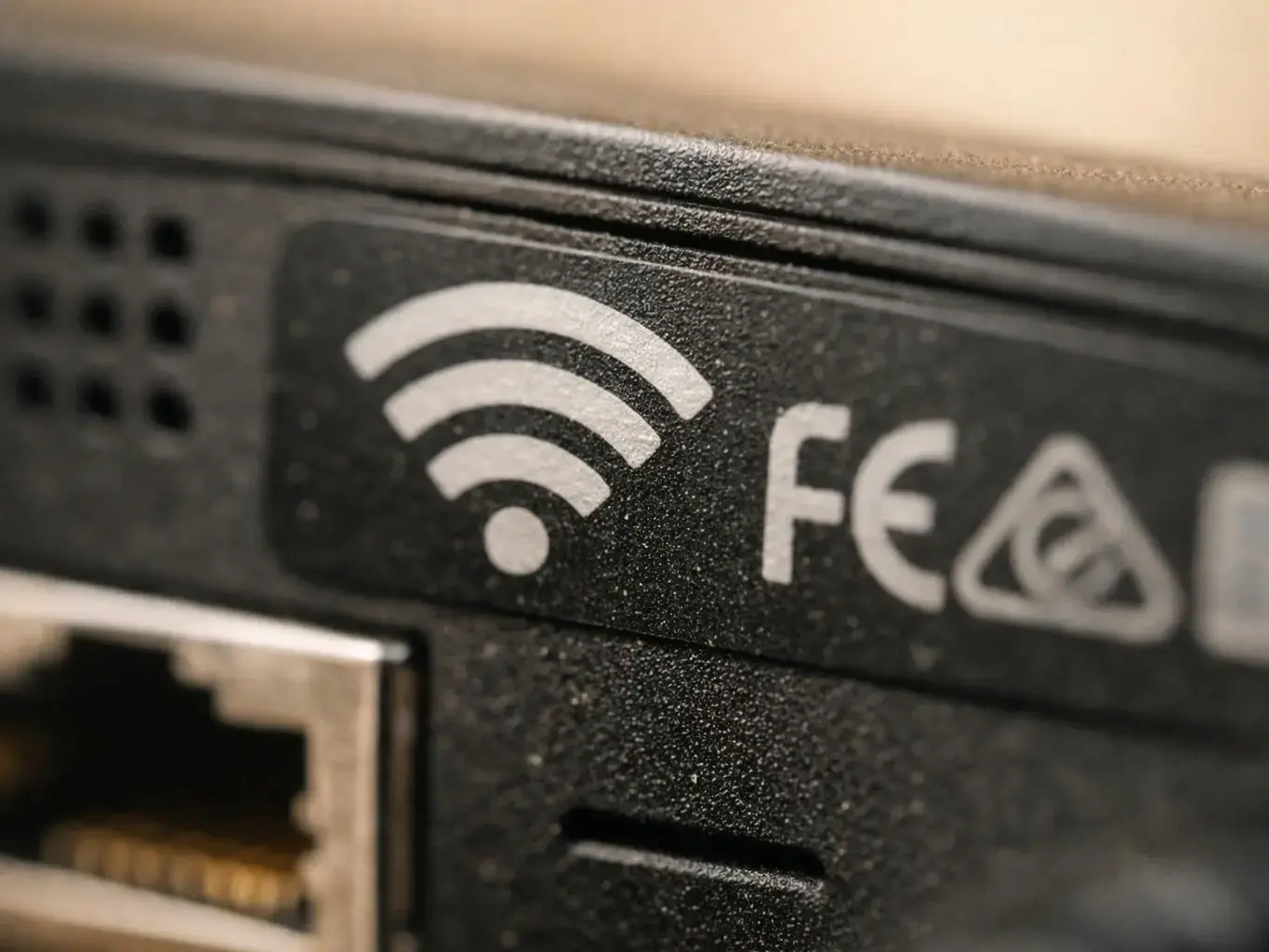
Wireless Compliance is a set of rules for wireless devices. These rules must be met to sell or use them in a country. They keep devices safe and stop them from blocking other signals. They also follow national radio rules. Compliance means testing, certification. And approval by groups in charge.
Category
Regulatory certification
Used for
Wireless devices like phones, Wi-Fi routers. And IoT gadgets
Common confusion
Often mistaken for general product safety or electrical compliance
Also called
Wireless Certification, RF Compliance
Often discussed with
CERTIBRIDGE type approval services, Telecommunication devices certification
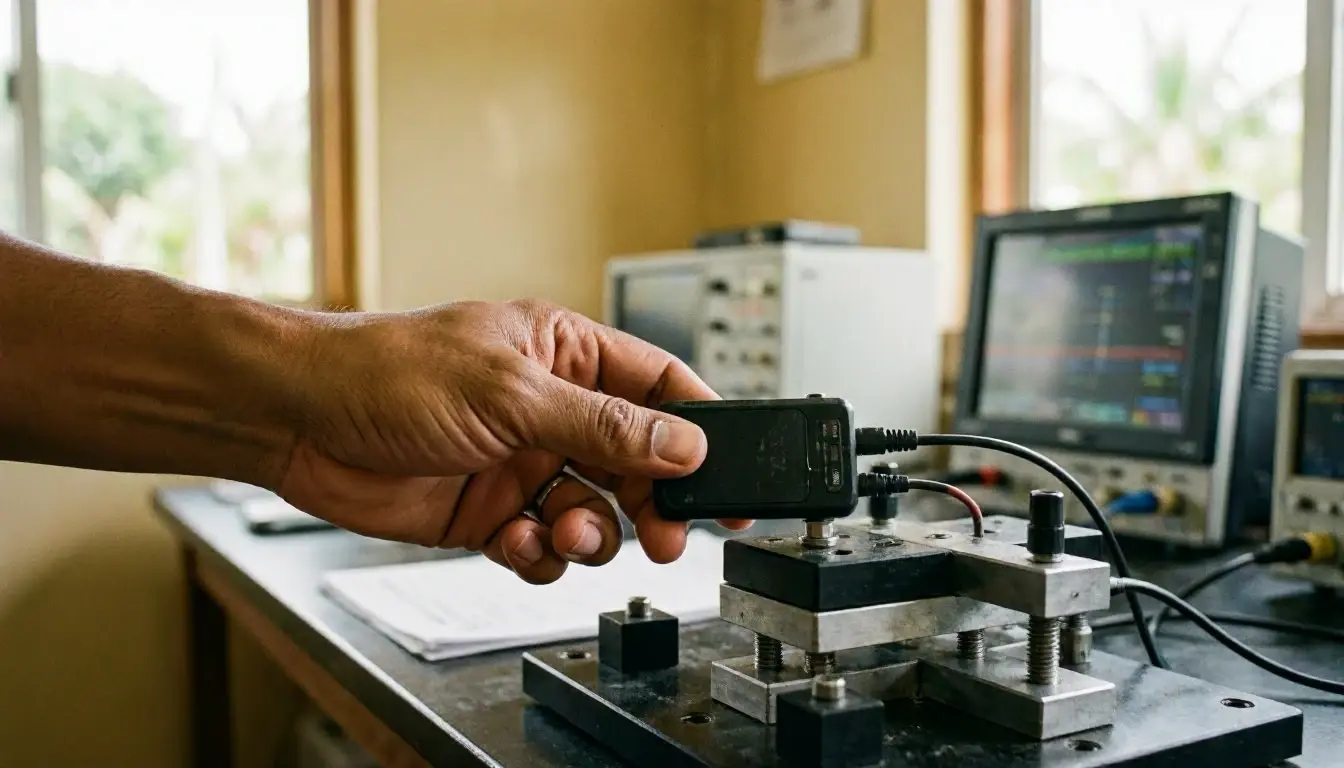
Wireless Compliance refers to the regulations and standards that govern how wireless devices operate within a country's radio frequency spectrum. These rules are designed to prevent interference with other wireless services, such as emergency communications, broadcasting. And aviation. Without compliance, a device might disrupt critical services or fail to work properly due to interference from other devices. Compliance ensures that wireless products are safe, reliable. And legally permitted for use in a specific market.
Related glossary terms: FCC Certification, Radio Equipment Directive, Homologation.
Wireless Compliance is not a single global standard. Each country or region sets its own requirements based on local needs, technology. And existing infrastructure. For example, the United States uses FCC regulations. While the European Union follows the Radio Equipment Directive (RED). In Madagascar, wireless devices must meet local regulations set by the Autorité Malgache de Régulation des Technologies de Communication (AMRTC). These rules cover everything from the frequencies a device can use to the maximum power it can emit.
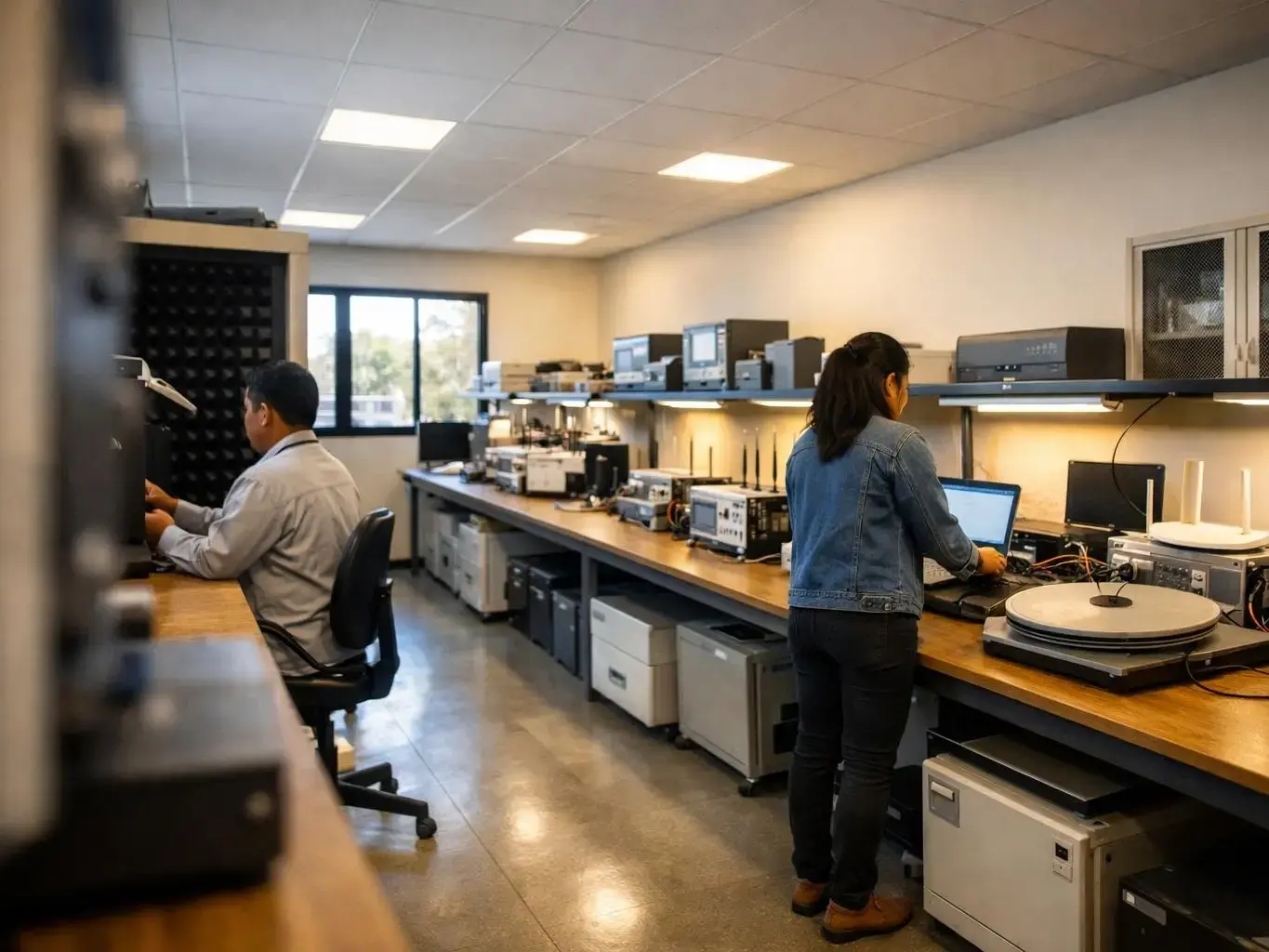
The process of achieving Wireless Compliance begins with identifying the regulations that apply to a device. Manufacturers or importers must determine which standards their product must meet based on its type, function. And target market. Common types of wireless devices include smartphones, Wi-Fi routers, Bluetooth gadgets. And Internet of Things (IoT) devices like smart home sensors. Once the relevant standards are identified, the device undergoes testing in a laboratory to verify it meets technical requirements.
Testing typically includes measurements of radio frequency emissions, power levels. And immunity to interference. For example, a Wi-Fi router might be tested to ensure it doesn't emit signals outside its allocated frequency band. If the device passes all tests, the manufacturer receives a certificate or approval mark, such as the FCC mark in the U.S. Or the CE mark in Europe. This mark must be displayed on the product or its packaging, signaling to regulators and consumers that the device complies with local laws.
In some cases, compliance also involves registering the device with a local regulatory authority. For instance, in Madagascar, devices may require homologation, a process that includes submitting test reports, technical documents. And an application to the AMRTC. The authority reviews the submission and grants approval if the device meets all requirements. Without this approval, the device can't be legally imported, sold. Or used in the country.
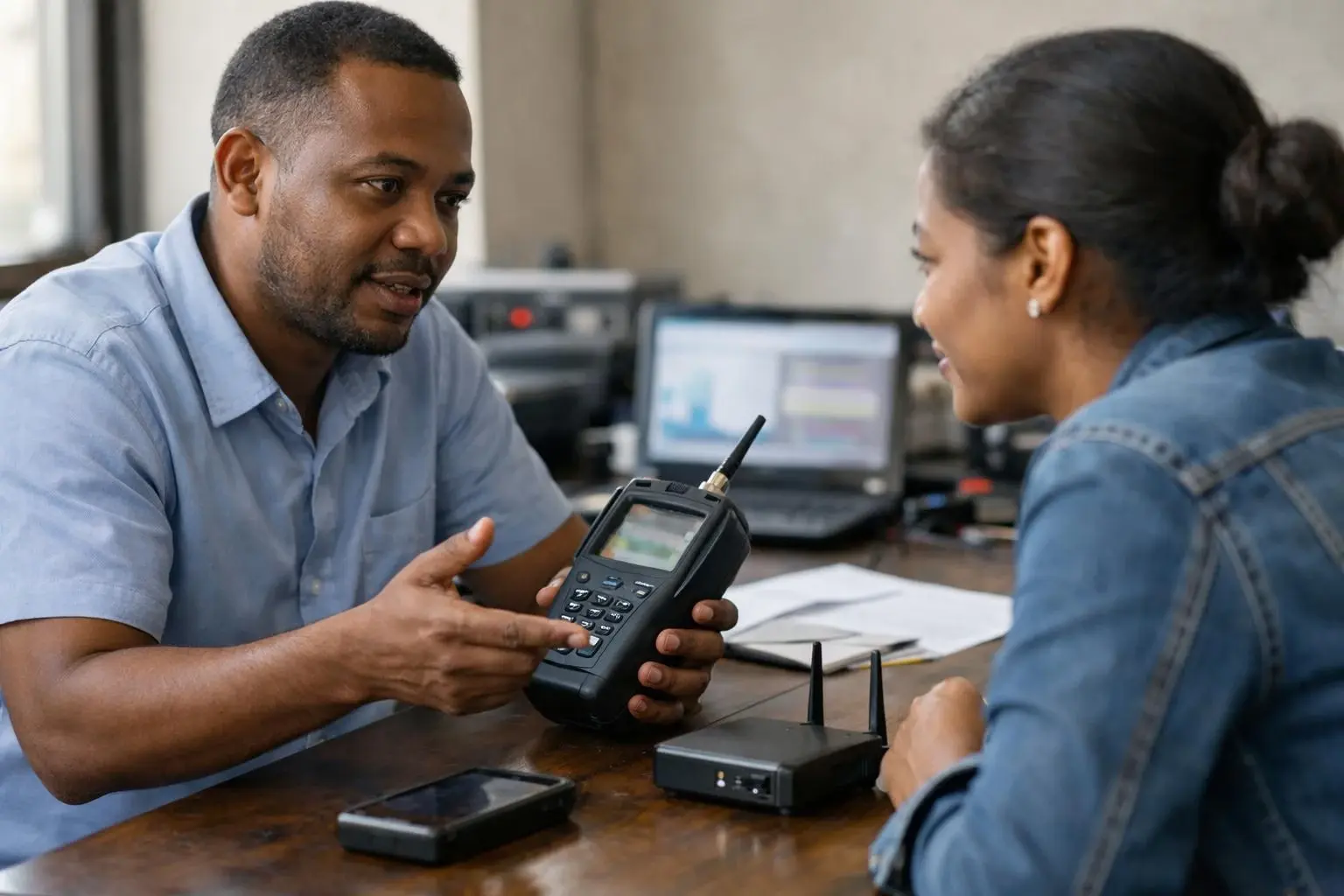
Wireless Compliance is essential for protecting public safety and ensuring reliable communication. Unregulated wireless devices can cause harmful interference, disrupting services like emergency calls, air traffic control. Or broadcast signals. For example, a poorly designed wireless device could interfere with a hospital's medical equipment or a fire department's radios, putting lives at risk. Compliance testing helps prevent these issues by ensuring devices operate within safe and approved limits.
Compliance also benefits businesses by reducing legal and financial risks. Selling non-compliant wireless devices can result in fines, product recalls. Or bans from the market. In some cases, regulators may seize or destroy non-compliant products, leading to significant financial losses for manufacturers or importers. And compliance builds consumer trust. When customers see a certification mark on a product, they know it has been tested and approved for safe use, which can influence their purchasing decisions.
Wireless Compliance is particularly important when introducing a new wireless device to a market. Manufacturers must ensure compliance before mass production or importation begins. That means especially critical for devices that use radio frequencies, such as smartphones, drones. Or wireless security systems. Skipping compliance can lead to costly delays if regulators reject the product after it has already been manufactured or shipped.
Compliance also matters when expanding into new markets. A device that complies with regulations in one country may not meet the requirements of another. For example, a Wi-Fi router approved for use in the U.S. For customers, this means might not meet the frequency or power limits set by Madagascar's AMRTC. Businesses must research local regulations and obtain the necessary approvals before entering a new market. Failure to do so can result in legal penalties, shipment delays. Or lost sales opportunities.
Finally, Wireless Compliance is important when updating or modifying a wireless device. Even small changes, such as a software update or a new antenna design, can affect a device's compliance status. Manufacturers must retest and re-certify the device if changes impact its radio frequency performance. That way the device continues to meet regulatory requirements throughout its lifecycle.
EMC Testing ensures a device does not emit excessive electromagnetic interference and can operate near other devices. Wireless Compliance focuses specifically on radio frequency regulations and spectrum usage.
Type Approval is a broader certification process that may include Wireless Compliance as one component. It covers all regulatory requirements for a product, not just wireless functionality.
Wireless Compliance is not a one-time process. Changes in regulations, device updates. Or new market entries often require re-testing and re-certification. Staying informed about evolving standards is key to avoiding compliance pitfalls.
A company makes a new Bluetooth speaker for Madagascar. Before selling it, the speaker must meet local wireless rules. It gets tested to check it uses the right bands and power. The company sends test results to the AMRTC for approval. After approval, the speaker can be sold in Madagascar.
FCC Certification is a must-follow rule from the U.S. Federal Communications Commission (FCC). It checks if devices that send radio signals work safely. The rule keeps radio signals from causing harm to other devices. It also keeps people safe. It is needed for items sold or used in the U.S. Like phones and Wi-Fi routers.
Radio Equipment Directive is a European Union regulation (Directive 2014/53/EU) that sets essential requirements for radio equipment to ensure safety, electromagnetic compatibility. And efficient use of radio spectrum. It applies to all wireless devices sold in the EU, requiring manufacturers to perform conformity assessments and affix the CE marking before market placement.
Homologation is the official process by which a product, system. Or service is certified to meet specific regulatory standards set by a government or industry body. That way compliance with legal requirements, safety protocols. And technical specifications before the product can be legally sold, distributed.
Spectrum Allocation is the process by which governments or regulatory bodies divide the electromagnetic spectrum into specific frequency bands and assign them to different uses, such as mobile communications, broadcasting, satellite services. Or emergency communications. That way organized, interference-free access to limited airwaves, enabling reliable wireless services for public, commercial.
RF Testing checks radio signals from wireless devices. It makes sure they meet rules for safety and speed. It also stops signals from mixing with others. Tests look at signal strength, frequency. And how clear the signal is.
CERTIBRIDGE
Contact CERTIBRIDGE for practical guidance on Wireless Compliance and related type approval services work in Madagascar.