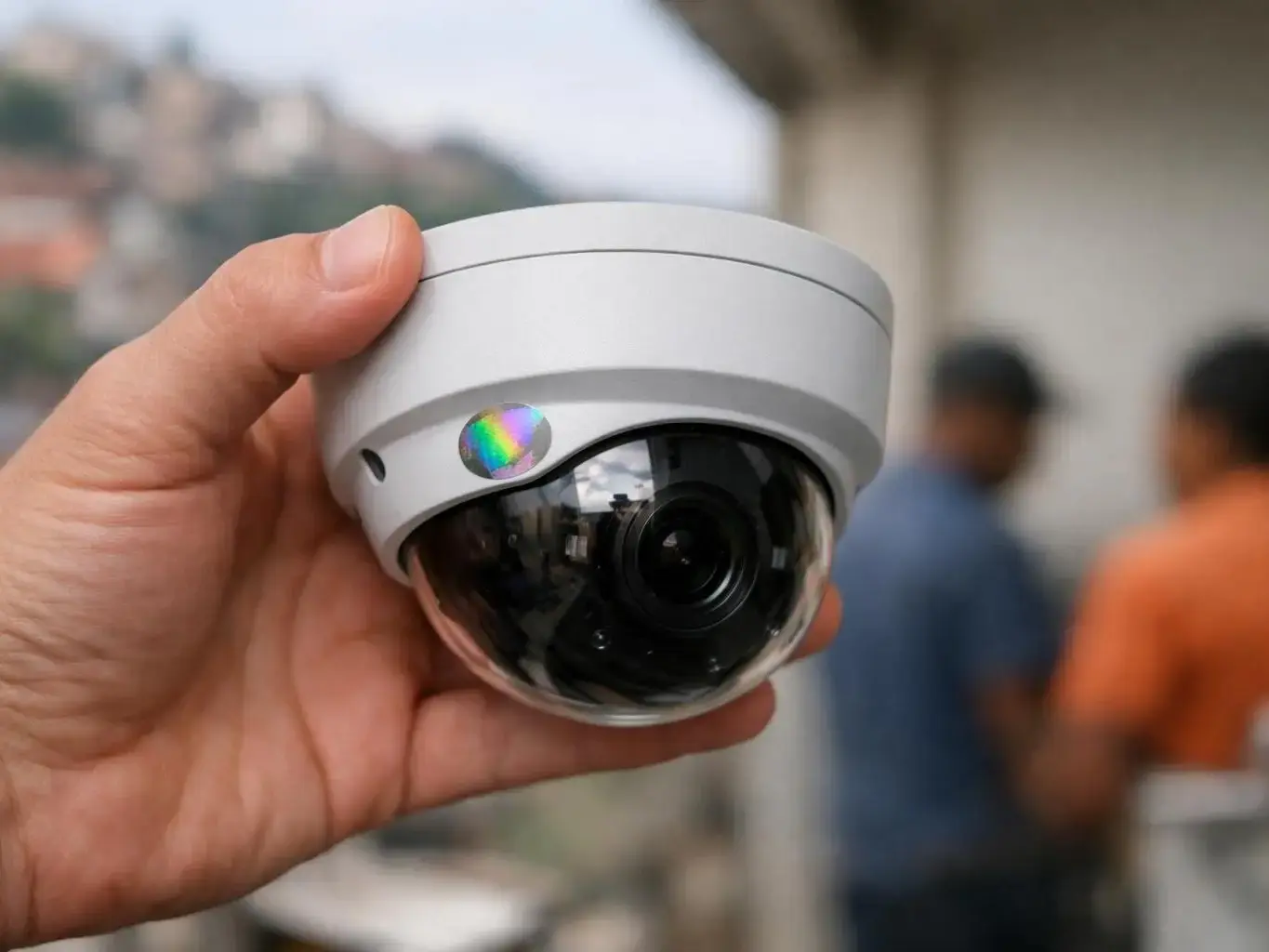
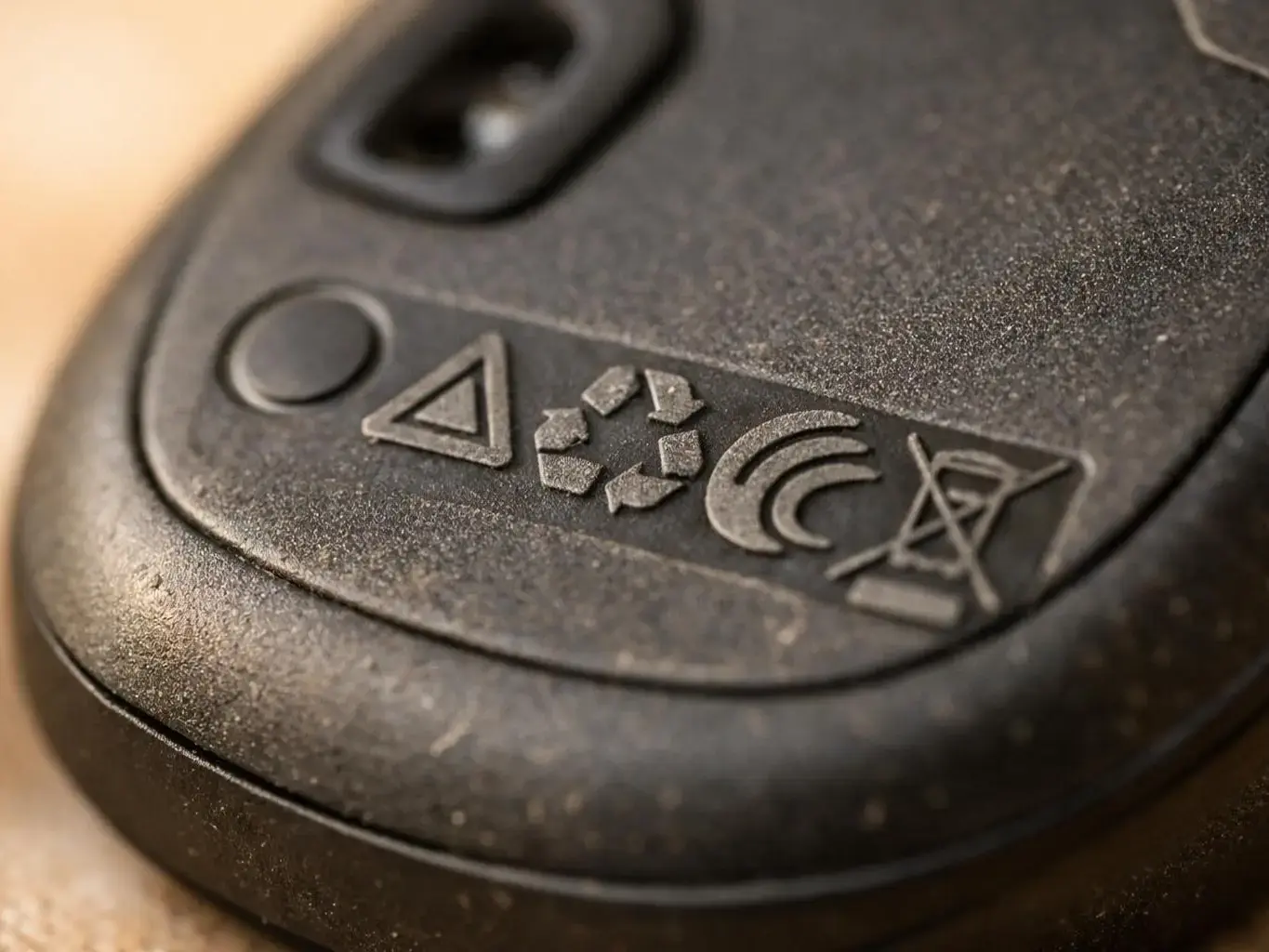
Homologation is the official process by which a product, system. Or service is certified to meet specific regulatory standards set by a government or industry body. That way compliance with legal requirements, safety protocols. And technical specifications before the product can be legally sold, distributed.
Category
Regulatory compliance
Used for
Market access and legal product sales
Common confusion
Often mistaken for voluntary certification
Also called
Regulatory approval, Market access certification
Often discussed with
CERTIBRIDGE type approval services, RF homologation services

Homologation is a formal approval process. It confirms a product meets legal and technical rules for a market. This isn't like voluntary certifications. Homologation is usually required for phones, cars, medical devices. And appliances.
Related glossary terms: Type Approval, Conformity Assessment, Telecom Regulatory Authority.
Governments set these rules to keep people safe. They also protect the environment and make sure products work with existing systems. For example, a smartphone must pass homologation. It checks that the phone uses approved radio frequencies. It also ensures the phone won't interfere with other devices.
Homologation acts as a gatekeeper for market entry. Without it, companies risk fines or legal trouble. They might even have their products seized. The process involves paperwork, lab tests. And official certification. Each country and industry has different rules. But the goal is always the same. It protects consumers, the environment. And public systems.
The homologation process follows clear steps. First, companies find the rules for their product in the target market. These rules may cover radio waves, electrical safety. Or environmental impact. Next, the product goes to a lab for testing. Tests check performance, durability. And other key factors.
After testing, companies send reports and samples to regulators. The regulators review everything. If they're satisfied, they issue a certificate. This certificate is often needed for customs, sales. Or marketing. Some products face checks even after they're on the market. This is especially true for products with long lifespans.

Homologation helps keep products safe and markets fair. For shoppers, it means products meet basic safety standards. This lowers the risk of accidents or health problems. For businesses, it stops unfair competition. Everyone must follow the same rules. Without homologation, unsafe products could flood the market. This would hurt honest companies and put people at risk.
Homologation also helps with international trade. Companies entering new markets must follow local rules. These rules affect product design, testing. And launch times. Not following them can cause delays or redesigns. It might even keep a product out of the market. In telecom, homologation ensures devices work together. This prevents network problems and improves user experience.
Homologation matters most in regulated industries. These include telecom, cars. And medical devices. For example, telecom devices must follow frequency rules. This stops them from interfering with emergency services. Cars must meet standards for emissions, safety. And lights. These rules keep roads safe and protect the environment.
Homologation is also key when expanding or updating products. A company entering a new country must follow its rules. These may differ from the company's home market. Even small changes to a product may need new approval. Companies must plan for homologation. This avoids delays and legal trouble.
Certification is often voluntary and confirms adherence to industry standards. While homologation is mandatory and ensures compliance with legal requirements for market access.
Type approval is a form of homologation specific to regulated products like telecommunications devices, confirming they meet technical and legal standards before market entry.
Conformity assessment is a broader process that includes testing, inspection. And certification. While homologation is a specific regulatory approval step.
Homologation is not a one-time event. Regulatory authorities may require periodic re-testing or documentation updates, especially for products with long lifecycles or evolving standards. Always factor in ongoing compliance costs when planning market entry.
A manufacturer of wireless routers plans to sell its products in Madagascar. Before entering the market, the routers must undergo homologation to confirm compliance with local telecommunications regulations. This includes testing for radio frequency emissions, electromagnetic compatibility. And safety standards. Once approved, the routers receive a certification mark, allowing them to be legally sold and distributed in Madagascar.
Type Approval is a formal certification process that confirms a product model meets specific technical and regulatory standards set by a government or industry authority. Type Approval ensures the product is safe, compatible.
Conformity Assessment is a systematic process that determines whether a product, service, system. Or person meets specified requirements, standards. Or regulations. It includes activities like testing, inspection, certification.
Telecom Regulatory Authority is an independent government agency responsible for overseeing, regulating. And enforcing policies in the telecommunications sector. Telecom Regulatory Authorities ensure fair competition, protect consumer rights, allocate spectrum. And enforce technical standards for telecom devices and services to maintain reliability, safety.
Radio Equipment Directive is a European Union regulation (Directive 2014/53/EU) that sets essential requirements for radio equipment to ensure safety, electromagnetic compatibility. And efficient use of radio spectrum. It applies to all wireless devices sold in the EU, requiring manufacturers to perform conformity assessments and affix the CE marking before market placement.
FCC Certification is a must-follow rule from the U.S. Federal Communications Commission (FCC). It checks if devices that send radio signals work safely. The rule keeps radio signals from causing harm to other devices. It also keeps people safe. It is needed for items sold or used in the U.S. Like phones and Wi-Fi routers.
CERTIBRIDGE
Contact CERTIBRIDGE for practical guidance on Homologation and related type approval services work in Madagascar.