SAR Testing is a lab test. It checks how fast the body takes in radio waves from phones, tablets. And wearables. The test finds the Specific Absorption Rate. This rate is in watts per kilogram (W/kg). It makes sure devices follow safety rules.
Category
Wireless device safety testing
Used for
Compliance with RF exposure limits
Common confusion
SAR Testing is not the same as EMC Testing
Also called
Specific Absorption Rate Testing, RF Exposure Testing
Often discussed with
CERTIBRIDGE type approval services, Telecom devices regulatory compliance service
SAR Testing is a critical safety evaluation for wireless devices that emit radiofrequency (RF) energy. When you use a mobile phone, tablet. Or wearable device, it sends and receives signals through RF waves. These waves can be absorbed by human tissue, potentially causing heating effects. SAR Testing quantifies this absorption rate to ensure it remains within safe limits established by regulatory bodies. The test focuses on the Specific Absorption Rate, which measures the power absorbed per unit mass of tissue, typically expressed in watts per kilogram (W/kg).
Related glossary terms: RF Exposure, EMC Testing, Type Approval.
Regulatory agencies worldwide, including the Federal Communications Commission (FCC) in the United States and the International Commission on Non-Ionizing Radiation Protection (ICNIRP), set maximum SAR limits to protect users. These limits vary slightly by region but generally cap exposure at 1.6 W/kg (averaged over 1 gram of tissue) in the U.S. And 2.0 W/kg (averaged over 10 grams of tissue) in Europe and many other countries. Devices that exceed these limits can't legally be sold, making SAR Testing a mandatory step for manufacturers seeking market access.
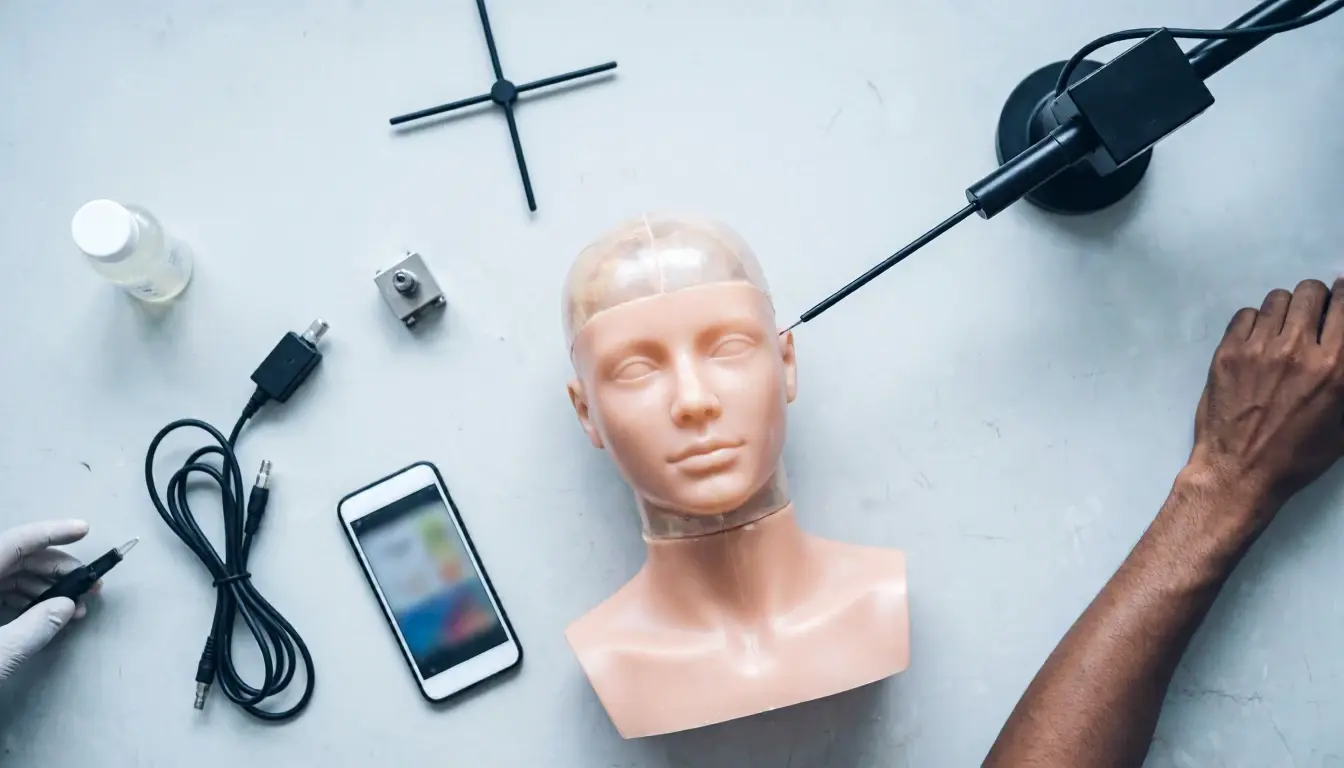
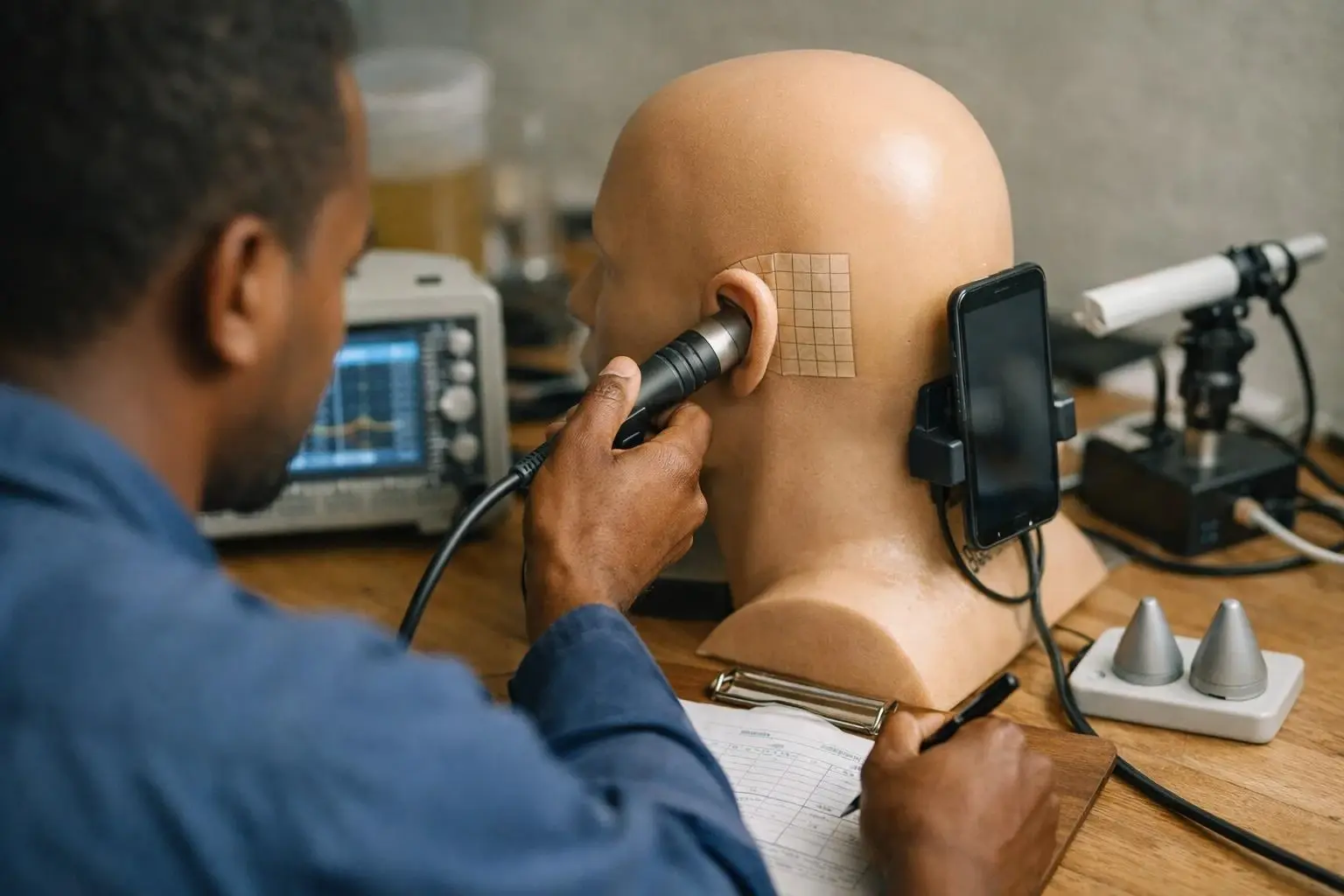
SAR Testing involves precise laboratory measurements using specialized equipment. The process begins with a device placed in various positions against a human-like model called a phantom, which simulates the electrical properties of human tissue. The phantom is filled with a liquid that mimics the conductivity and permittivity of body tissues, such as the head or torso. During testing, the device transmits at its highest power level while sensors inside the phantom measure the electric field strength at multiple points. These measurements are then used to calculate the SAR value, which represents the maximum RF energy absorbed in any part of the phantom.
A common issue is The testing procedure follows standardized protocols, such as those outlined by the Institute of Electrical and Electronics Engineers (IEEE) or the International Electrotechnical Commission (IEC). These standards specify the test setup, phantom dimensions, liquid composition. And measurement techniques to ensure consistency and accuracy. For example, mobile phones are tested in multiple positions, including next to the ear and against the body, to account for different usage scenarios. The highest SAR value recorded during these tests is compared against the regulatory limit to determine compliance.
SAR Testing is essential for protecting public health and ensuring regulatory compliance. Excessive RF exposure can lead to tissue heating, which. While not proven to cause long-term health effects, remains a concern for regulatory agencies and consumers. By enforcing SAR limits, authorities aim to cut down on potential risks, particularly for heavy device users, such as children or individuals who rely on wireless devices for extended periods. Compliance with SAR standards also builds consumer trust, as it demonstrates a manufacturer’s commitment to safety and adherence to legal requirements.
Beyond safety, SAR Testing plays a crucial role in market access. Devices that fail SAR Testing cannot obtain regulatory approval, preventing their sale in countries with strict RF exposure regulations. This makes SAR Testing a non-negotiable step for manufacturers, particularly those targeting global markets. And some retailers and carriers require SAR compliance as a condition for stocking or distributing devices, further emphasizing its importance in the supply chain.
SAR Testing is particularly critical in several scenarios. For manufacturers, it's a key step in the product development cycle, especially when launching new wireless devices or updating existing ones with new RF technologies. Failure to meet SAR limits can result in costly redesigns, delays. Or even product recalls, making early testing essential. For regulatory authorities, SAR Testing ensures that all devices entering the market comply with local safety standards, protecting consumers from potential harm.
SAR Testing also becomes important when devices are modified or used in new ways. For example, adding a new antenna, changing the device’s form factor. Or introducing a new usage mode (such as a wearable device worn closer to the body) may require retesting to ensure compliance. And devices intended for vulnerable populations, such as children’s tablets or medical wearables, often undergo stricter scrutiny, as these users may be more sensitive to RF exposure. Finally, SAR Testing is a prerequisite for type approval in many countries, including Madagascar, where wireless devices must meet local regulatory requirements before they can be legally sold or imported.
EMC Testing measures a device’s electromagnetic interference with other electronics. While SAR Testing measures RF energy absorption by the human body.
RF Exposure Testing is a broader category that includes SAR Testing but also covers other exposure metrics like power density for devices operating at higher frequencies.
SAR Testing is not a one-time event. Manufacturers must retest devices after hardware changes, software updates that affect RF transmission.
A phone maker tests a new model before selling it in Madagascar. The phone is tested near a head and body model. Sensors check how much energy it gives off. The highest reading is 1.2 W/kg. This is below Madagascar’s limit of 2.0 W/kg. The phone gets type approval.
RF Exposure is how much radio energy people take in from phones, routers. And towers. It is measured in SAR or power density. Tests make sure levels stay safe. Too much RF Exposure may harm health. Devices must pass tests before sale.
EMC Testing checks if a device sends too much noise. It also checks if the device works well near other devices. This testing makes sure products work right in real places. Many laws say products must pass before they can be sold.
Type Approval is a formal certification process that confirms a product model meets specific technical and regulatory standards set by a government or industry authority. Type Approval ensures the product is safe, compatible.
FCC Certification is a must-follow rule from the U.S. Federal Communications Commission (FCC). It checks if devices that send radio signals work safely. The rule keeps radio signals from causing harm to other devices. It also keeps people safe. It is needed for items sold or used in the U.S. Like phones and Wi-Fi routers.
IEC Standards are global rules made by the International Electrotechnical Commission. They keep electrical and electronic products safe. They also help products work well together. IEC Standards cover items like home appliances, factory machines. And green energy setups. They give makers, regulators. And labs a shared set of rules.
CERTIBRIDGE
Contact CERTIBRIDGE for practical guidance on SAR Testing and related type approval services work in Madagascar.