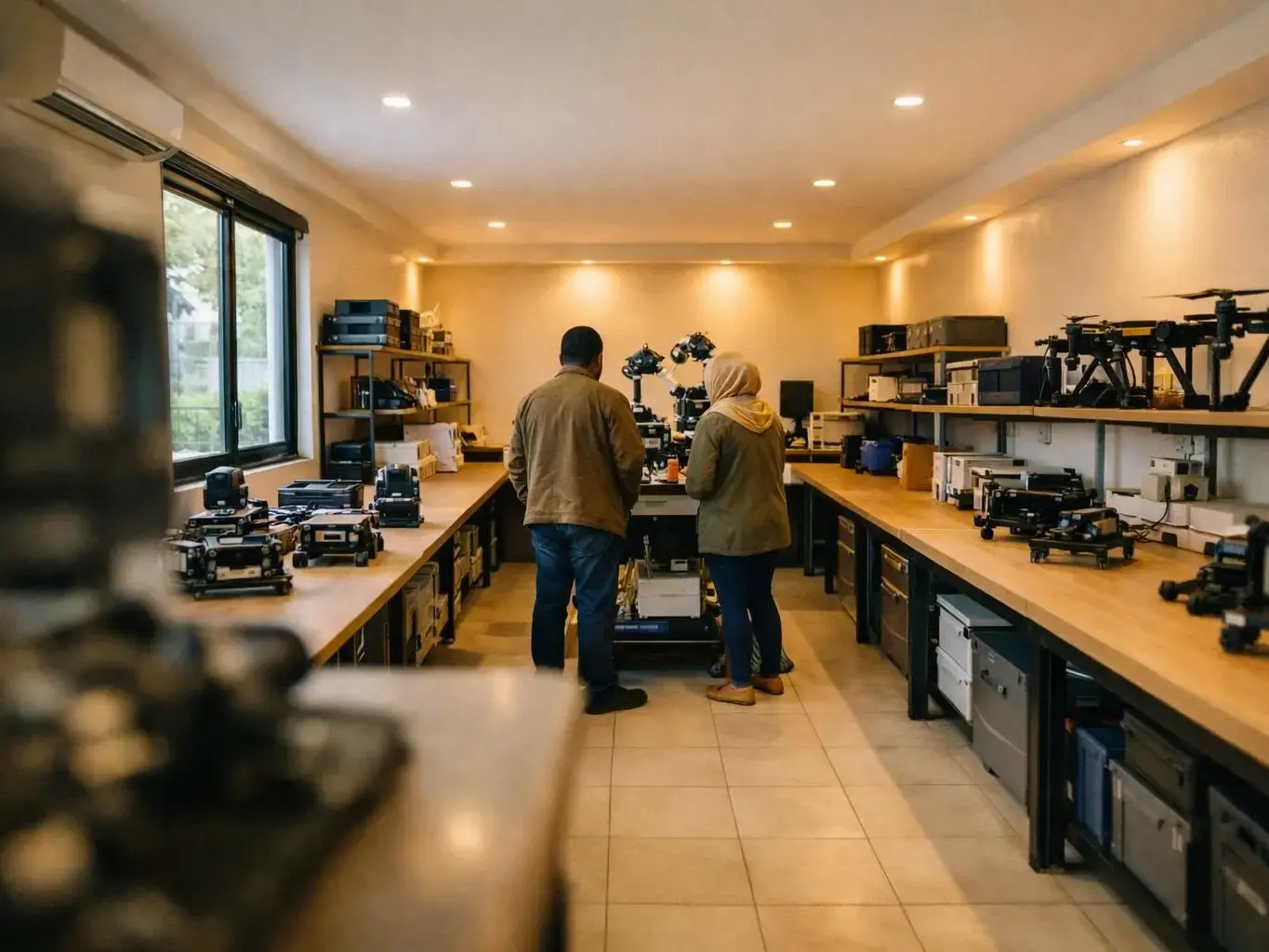
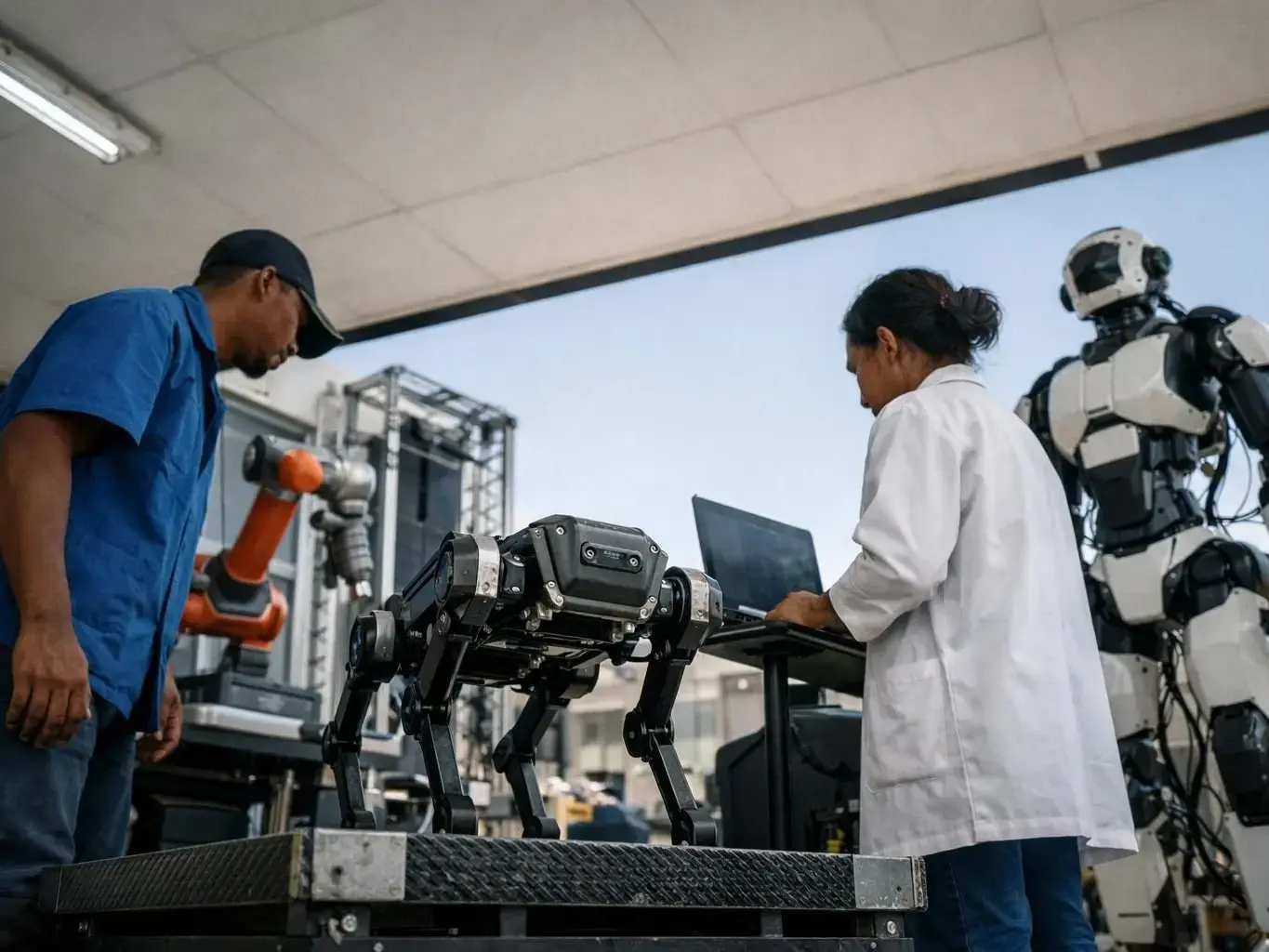
RF Exposure is how much radio energy people take in from phones, routers. And towers. It is measured in SAR or power density. Tests make sure levels stay safe. Too much RF Exposure may harm health. Devices must pass tests before sale.
Category
Wireless safety compliance
Used for
Ensuring devices meet legal safety limits for radio frequency energy
Common confusion
Often mistaken for radio frequency interference (RFI), which disrupts signals rather than health
Also called
Radio Frequency Exposure, RF Energy Exposure
Often discussed with
CERTIBRIDGE type approval services, RF homologation services
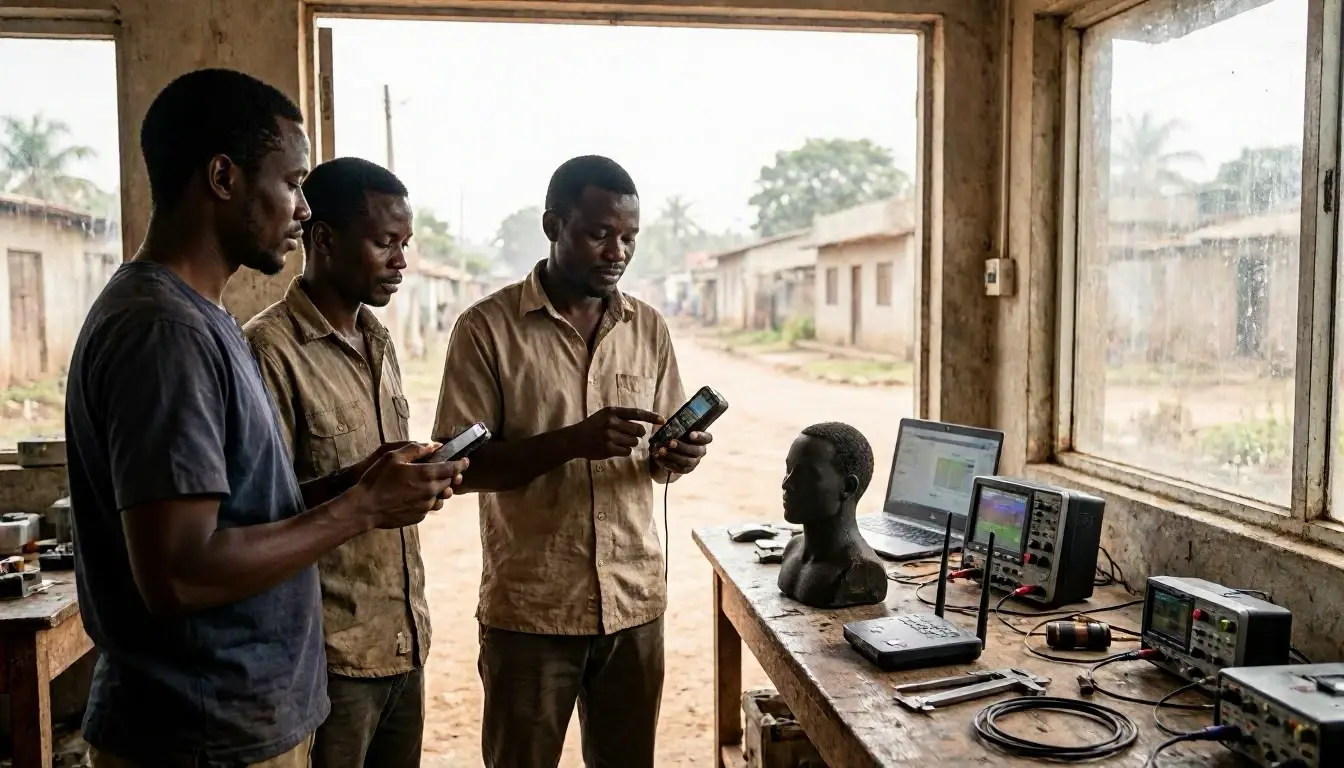
RF Exposure refers to the radio frequency energy that people absorb from wireless devices and infrastructure. This energy comes from sources like mobile phones, Wi-Fi routers, Bluetooth gadgets. And broadcast towers. When these devices transmit signals, they emit electromagnetic waves, which can be absorbed by the human body. The amount of energy absorbed depends on factors like distance from the device, signal strength. And duration of exposure. While low levels of RF energy are generally considered safe, higher levels can cause tissue heating or other biological effects, which is why safety limits are established.
Related glossary terms: SAR Testing, RF Testing, Type Approval.
Regulatory bodies around the world, such as the Federal Communications Commission (FCC) in the United States and the International Commission on Non-Ionizing Radiation Protection (ICNIRP), set guidelines for acceptable RF Exposure levels. These limits are based on scientific research and are designed to protect public health. For example, the FCC limits the specific absorption rate (SAR) for mobile phones to 1.6 watts per kilogram (W/kg) averaged over 1 gram of tissue. Compliance with these limits is mandatory for manufacturers and importers before devices can be sold or used in a market.
RF Exposure is measured using two primary methods: specific absorption rate (SAR) testing and power density measurements. SAR testing is used for devices that are held close to the body, like mobile phones or smartwatches. During SAR testing, a device is placed next to a model of the human body, called a phantom, which is filled with a liquid that mimics human tissue. Sensors inside the phantom measure how much RF energy is absorbed by the tissue. The results are expressed in watts per kilogram (W/kg), which indicates the rate at which energy is absorbed.
For devices that operate at a distance from the body, such as Wi-Fi routers or broadcast towers, power density measurements are used. Power density is measured in watts per square meter (W/m²) and represents the amount of RF energy passing through a given area. This method is typically used for fixed installations like cell towers or radio transmitters. Both SAR and power density measurements are conducted in controlled laboratory environments to ensure accuracy and repeatability. Compliance testing must be performed by accredited laboratories to verify that devices meet regulatory limits.
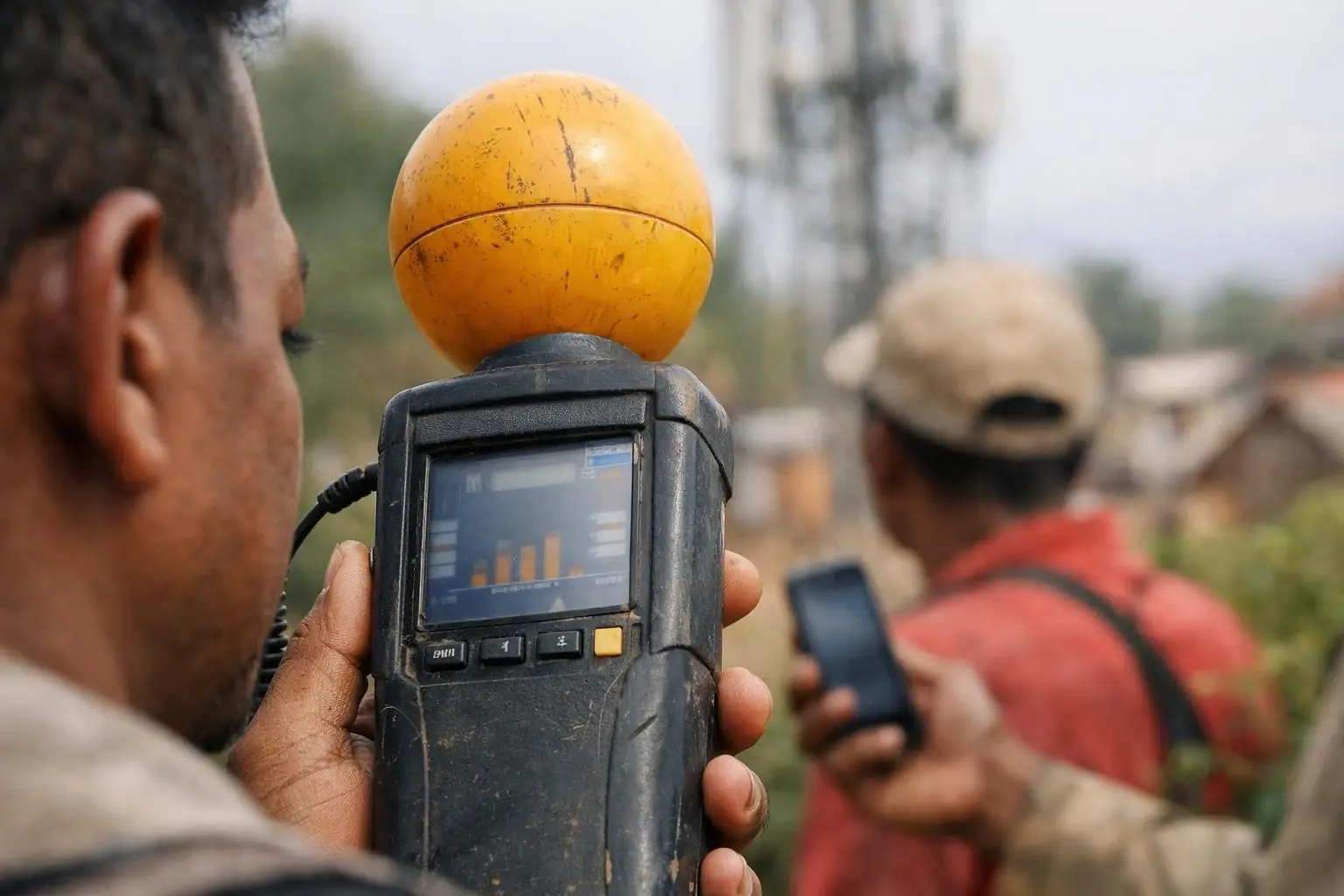
RF Exposure matters because it directly impacts public health and safety. While the scientific community continues to study the long-term effects of RF energy, current research suggests that excessive exposure can lead to tissue heating, which may cause discomfort or harm. For example, holding a mobile phone too close to your head for extended periods could result in localized heating of the ear or brain tissue. Regulatory limits are designed to prevent such effects by ensuring that devices emit only safe levels of RF energy.
Beyond health concerns, RF Exposure compliance is a legal requirement for manufacturers and importers. Devices that fail to meet safety limits can't be sold or used in most markets, including Madagascar. Non-compliance can result in costly recalls, fines. Or legal action, which can damage a company's reputation and financial stability. And consumers are increasingly aware of RF Exposure concerns and may avoid products that don't meet safety standards. Ensuring compliance not only protects public health but also builds trust with customers and regulators.
RF Exposure matters most during the design, manufacturing. And certification stages of wireless devices. Manufacturers must consider RF Exposure limits early in the product development process to avoid costly redesigns or compliance failures. For example, the placement of antennas, the power output of transmitters. And the materials used in device casings can all affect RF Exposure levels. Engineers must improve these factors to ensure that the final product meets regulatory requirements.
A practical next step is RF Exposure also becomes critical during type approval, a mandatory process for bringing wireless devices to market. In Madagascar, the Autorité Nationale des Télécommunications (ARTEC) requires RF Exposure testing as part of the type approval process. Devices must undergo testing in an accredited laboratory to verify compliance with local and international standards. Without this certification, devices cannot be legally imported, sold. Or used in Madagascar. And RF Exposure compliance is important for market surveillance, where regulatory authorities periodically check devices already on the market to ensure ongoing compliance.
RFI refers to unwanted signals that disrupt the operation of electronic devices. While RF Exposure measures the energy absorbed by the human body from wireless signals.
EMC ensures that devices do not interfere with each other, whereas RF Exposure focuses on the safety of human exposure to RF energy.
SAR Testing is a specific method used to measure RF Exposure for devices held close to the body. While RF Exposure is a broader concept that includes both SAR and power density measurements.
RF Exposure limits are based on thermal effects. But ongoing research explores potential non-thermal biological effects. Manufacturers should monitor emerging studies and adjust designs proactively to address evolving safety concerns.
A phone maker builds a new model with a strong signal. They test it in a lab. The lab checks the SAR value. It meets the FCC limit of 1.6 W/kg. The maker sends the report to ARTEC in Madagascar. They get approval to sell the phone there.
SAR Testing is a lab test. It checks how fast the body takes in radio waves from phones, tablets. And wearables. The test finds the Specific Absorption Rate. This rate is in watts per kilogram (W/kg). It makes sure devices follow safety rules.
RF Testing checks radio signals from wireless devices. It makes sure they meet rules for safety and speed. It also stops signals from mixing with others. Tests look at signal strength, frequency. And how clear the signal is.
Type Approval is a formal certification process that confirms a product model meets specific technical and regulatory standards set by a government or industry authority. Type Approval ensures the product is safe, compatible.
EMC Testing checks if a device sends too much noise. It also checks if the device works well near other devices. This testing makes sure products work right in real places. Many laws say products must pass before they can be sold.
Radio Equipment Directive is a European Union regulation (Directive 2014/53/EU) that sets essential requirements for radio equipment to ensure safety, electromagnetic compatibility. And efficient use of radio spectrum. It applies to all wireless devices sold in the EU, requiring manufacturers to perform conformity assessments and affix the CE marking before market placement.
CERTIBRIDGE
Contact CERTIBRIDGE for practical guidance on RF Exposure and related type approval services work in Madagascar.