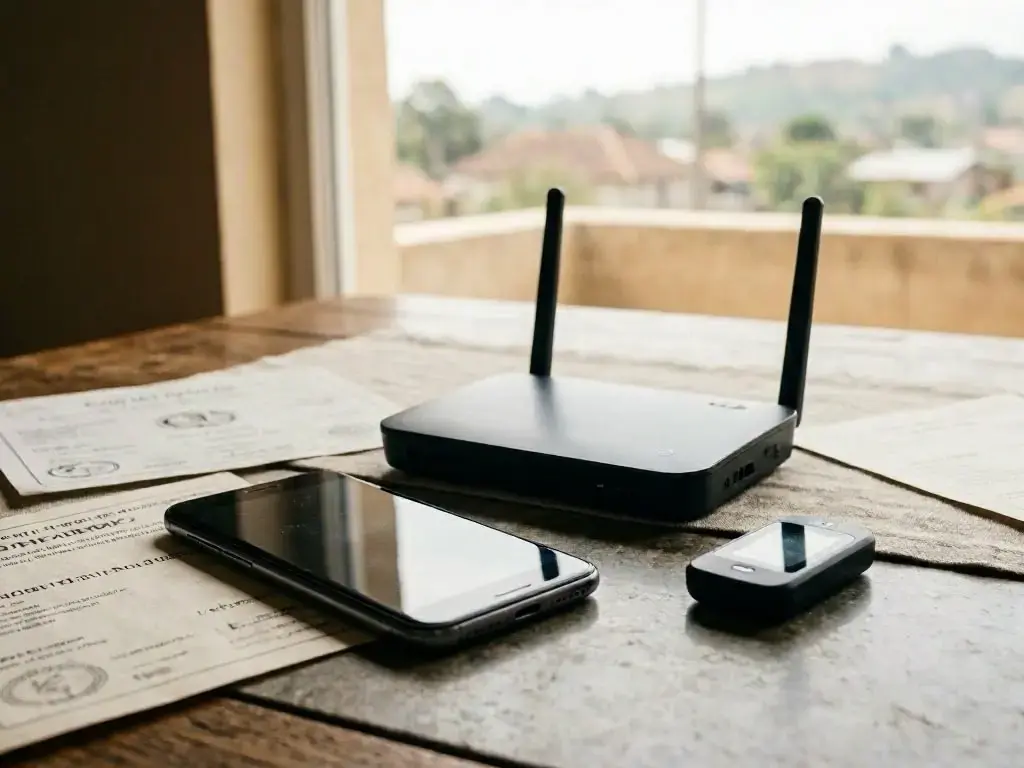
IEEE 802.11 is a set of rules made by the IEEE. These rules tell how Wi-Fi networks work. They cover radio signals, data speeds, security. And device fit. This helps routers, phones. And laptops connect well.
Category
Wireless networking standard
Used for
Wi-Fi connectivity in routers, phones, laptops. And IoT devices
Common confusion
Often called 'Wi-Fi' but IEEE 802.11 is the technical standard behind it
Also called
Wi-Fi standard, 802.11 standard
Often discussed with
CERTIBRIDGE type approval services, Wireless Technology Certifications

IEEE 802.11 refers to a family of standards created by the IEEE to govern how wireless devices communicate over local area networks. These standards make it possible for devices like smartphones, laptops. And routers to connect to the internet without physical cables. Without IEEE 802.11, wireless networking as we know it would not exist, as it provides the technical rules for how data is sent, received. And secured over radio waves.
Related glossary terms: RF Testing, Wireless Compliance, Spectrum Allocation.
The standards cover everything from the frequency bands used (such as 2.4 GHz and 5 GHz) to the maximum speeds devices can achieve. For example, older versions like 802.11g support speeds up to 54 Mbps. While newer versions like 802.11ax (Wi-Fi 6) can reach speeds over 10 Gbps. Each version also introduces improvements in range, power efficiency. And how multiple devices share the same network without causing interference.
IEEE 802.11 works by defining the protocols for how wireless devices transmit data using radio signals. When a device like a smartphone sends data, it converts the information into radio waves at a specific frequency, such as 2.4 GHz or 5 GHz. These waves travel through the air to a router, which then forwards the data to the internet or another device on the network. The standards specify how devices negotiate connections, handle errors. And manage security to prevent unauthorized access.
One key feature of IEEE 802.11 is its use of multiple-input multiple-output (MIMO) technology, which allows devices to send and receive multiple data streams simultaneously. This improves speed and reliability, especially in crowded environments like offices or public spaces. The standards also define how devices switch between different frequency channels to avoid interference from other wireless signals, such as Bluetooth devices or microwaves.
Security is another critical aspect of IEEE 802.11. Early versions used Wired Equivalent Privacy (WEP), which was later replaced by Wi-Fi Protected Access (WPA) and WPA2. The latest versions, like 802.11ax, include WPA3, which provides stronger encryption and protection against brute-force attacks. These security protocols ensure that data transmitted over Wi-Fi networks remains private and secure.

IEEE 802.11 matters because it enables the wireless connectivity that powers modern communication, work. And entertainment. Without these standards, devices from different manufacturers would not be able to connect to the same networks, leading to compatibility issues and unreliable connections. The standards also ensure that wireless networks operate efficiently, even as the number of connected devices continues to grow.
For businesses and consumers, IEEE 802.11 standards provide a reliable foundation for technologies like video streaming, online gaming. And smart home devices. They also play a crucial role in industries like healthcare, education. And transportation, where wireless connectivity is essential for operations. By setting consistent rules for speed, security. And compatibility, IEEE 802.11 helps drive innovation and ensures that wireless networks can meet the demands of future technologies.
IEEE 802.11 matters most when devices need to connect wirelessly in environments like homes, offices. Or public spaces. It's especially important for devices that rely on high-speed internet, such as streaming services, video conferencing. And online gaming. The standards also become critical in situations where multiple devices are connected simultaneously, such as in smart homes or large offices, where network congestion can occur without proper management.
For manufacturers, compliance with IEEE 802.11 is essential for obtaining regulatory approvals, such as type approval for wireless devices. Regulatory bodies like Madagascar's Autorité de Régulation des Technologies de Communication (ARTEC) use these standards to ensure that devices don't interfere with other wireless services and meet safety requirements. Without adherence to IEEE 802.11, devices may fail certification tests, preventing them from being sold or used legally in certain markets.
IEEE 802.11 also matters when upgrading or expanding wireless networks. Choosing the right version of the standard can impact network performance, coverage. And cost. For example, newer versions like 802.11ax (Wi-Fi 6) offer better performance in crowded areas, making them ideal for offices or public venues. While older versions may be sufficient for basic home use.
Bluetooth is a short-range wireless technology for connecting devices like headphones and keyboards. While IEEE 802.11 is designed for high-speed Wi-Fi networking over longer distances.
Cellular networks provide wide-area internet access via mobile towers. While IEEE 802.11 is used for local wireless networks like home or office Wi-Fi.
While IEEE 802.11 defines the technical rules for Wi-Fi, local regulators often impose additional requirements for device approval. Always verify frequency allocations and power limits with the local authority, such as ARTEC in Madagascar, to avoid compliance issues.
A maker of a new Wi-Fi router must follow IEEE 802.11ac rules. This helps it send data fast. Before selling in Madagascar, the maker must get type approval from ARTEC. This checks the device meets local rules for signals and stops interference.
RF Testing checks radio signals from wireless devices. It makes sure they meet rules for safety and speed. It also stops signals from mixing with others. Tests look at signal strength, frequency. And how clear the signal is.
Wireless Compliance is a set of rules for wireless devices. These rules must be met to sell or use them in a country. They keep devices safe and stop them from blocking other signals. They also follow national radio rules. Compliance means testing, certification. And approval by groups in charge.
Spectrum Allocation is the process by which governments or regulatory bodies divide the electromagnetic spectrum into specific frequency bands and assign them to different uses, such as mobile communications, broadcasting, satellite services. Or emergency communications. That way organized, interference-free access to limited airwaves, enabling reliable wireless services for public, commercial.
EMC Testing checks if a device sends too much noise. It also checks if the device works well near other devices. This testing makes sure products work right in real places. Many laws say products must pass before they can be sold.
Type Approval is a formal certification process that confirms a product model meets specific technical and regulatory standards set by a government or industry authority. Type Approval ensures the product is safe, compatible.
CERTIBRIDGE
Contact CERTIBRIDGE for practical guidance on IEEE 802.11 and related type approval services work in Madagascar.