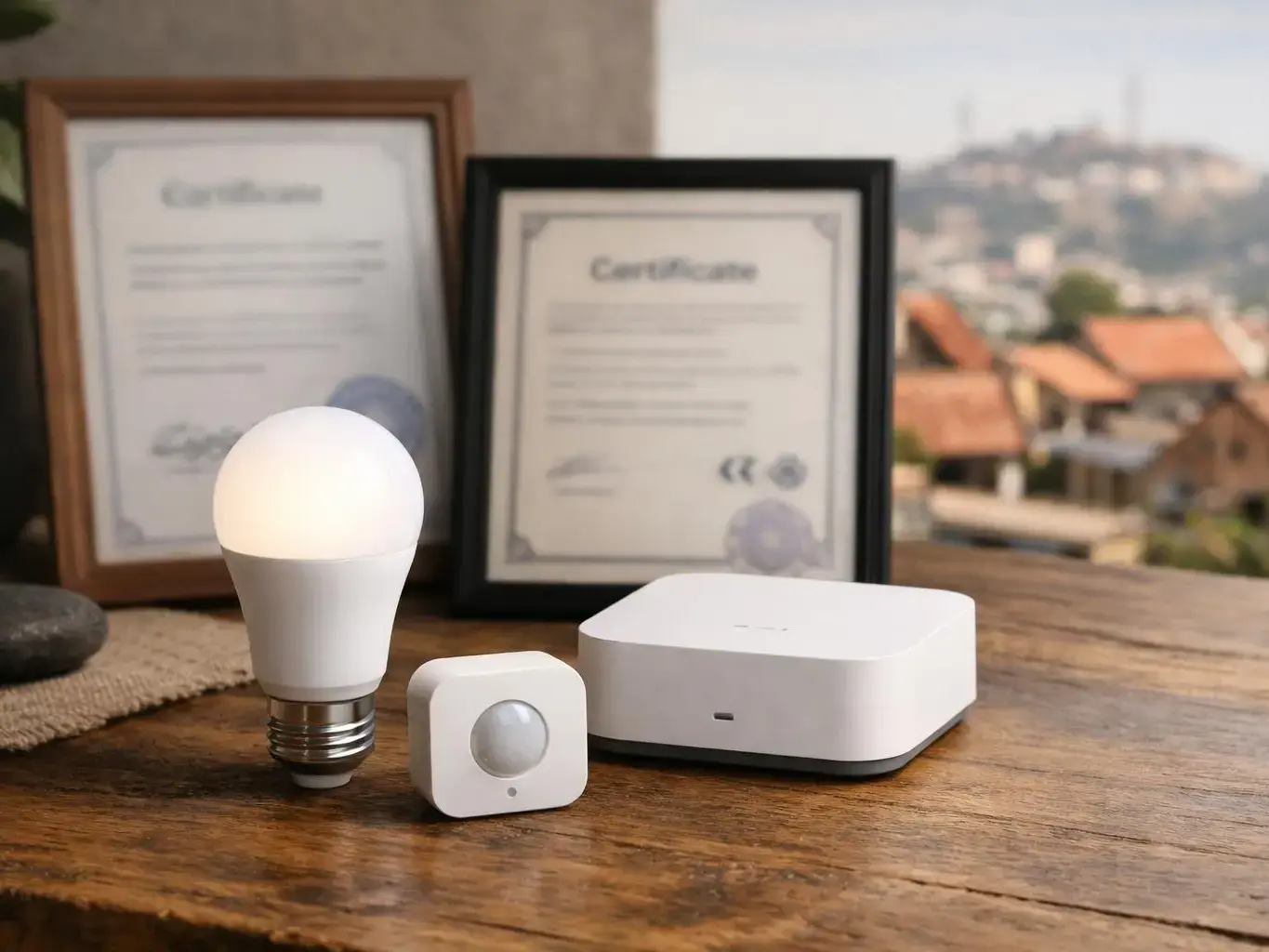
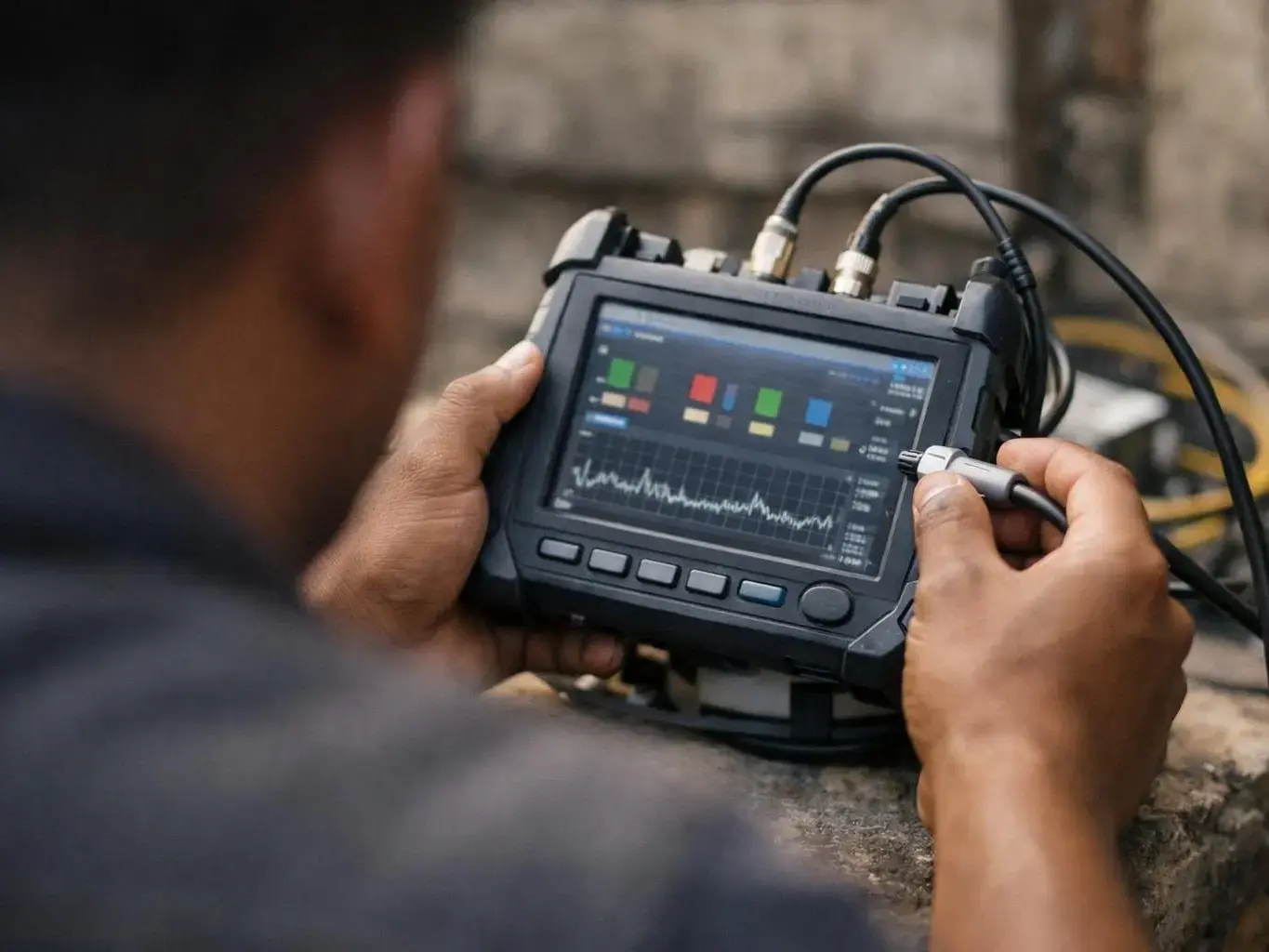
Radio Frequency Interference is unwanted electromagnetic energy that disrupts the normal operation of electronic devices, radio communications. Or wireless networks. It occurs when signals from one source, such as a radio transmitter, electrical equipment.
Term
Radio Frequency Interference
Category
Definition
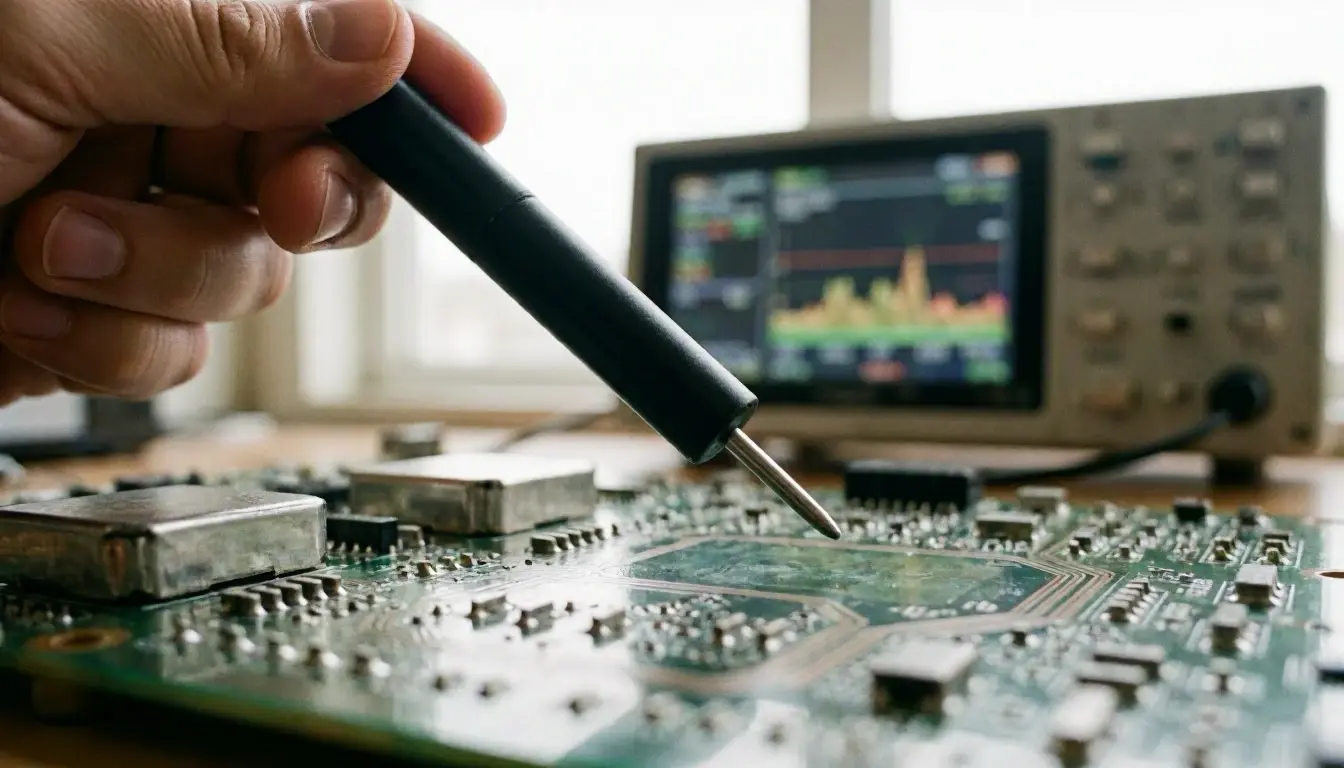
Radio Frequency Interference. Or RFI, is a type of electromagnetic disturbance. It can hurt the performance of electronic and wireless devices.
Many things can cause RFI. These include radio transmitters, electrical motors, power lines. And fluorescent lights. Even natural events like solar flares or lightning can cause it.
When RFI happens, it can lower signal quality. It can also corrupt data or make devices stop working right. For example, a Wi-Fi router near a microwave might slow down or drop connections.
Experts call RFI part of electromagnetic compatibility. Or EMC. EMC studies how devices work with their electromagnetic surroundings. It makes sure devices don't cause or suffer from interference.
RFI focuses on the part of the spectrum used for wireless communication. This range is usually from 3 kHz to 300 GHz. Devices like smartphones, radios. And medical equipment can be hurt by RFI.
They must be designed to cut down on its impact.
RFI works by adding unwanted signals to the bands devices use. These signals can overpower or distort the real signals. This makes it hard for devices to communicate well.
For instance, a radio might pick up static or overlapping sounds. This happens if another transmitter is on a nearby frequency. The strength of RFI depends on many factors.
These include the power of the interfering source and the distance to the device. The device's shielding and filtering also play a big role.
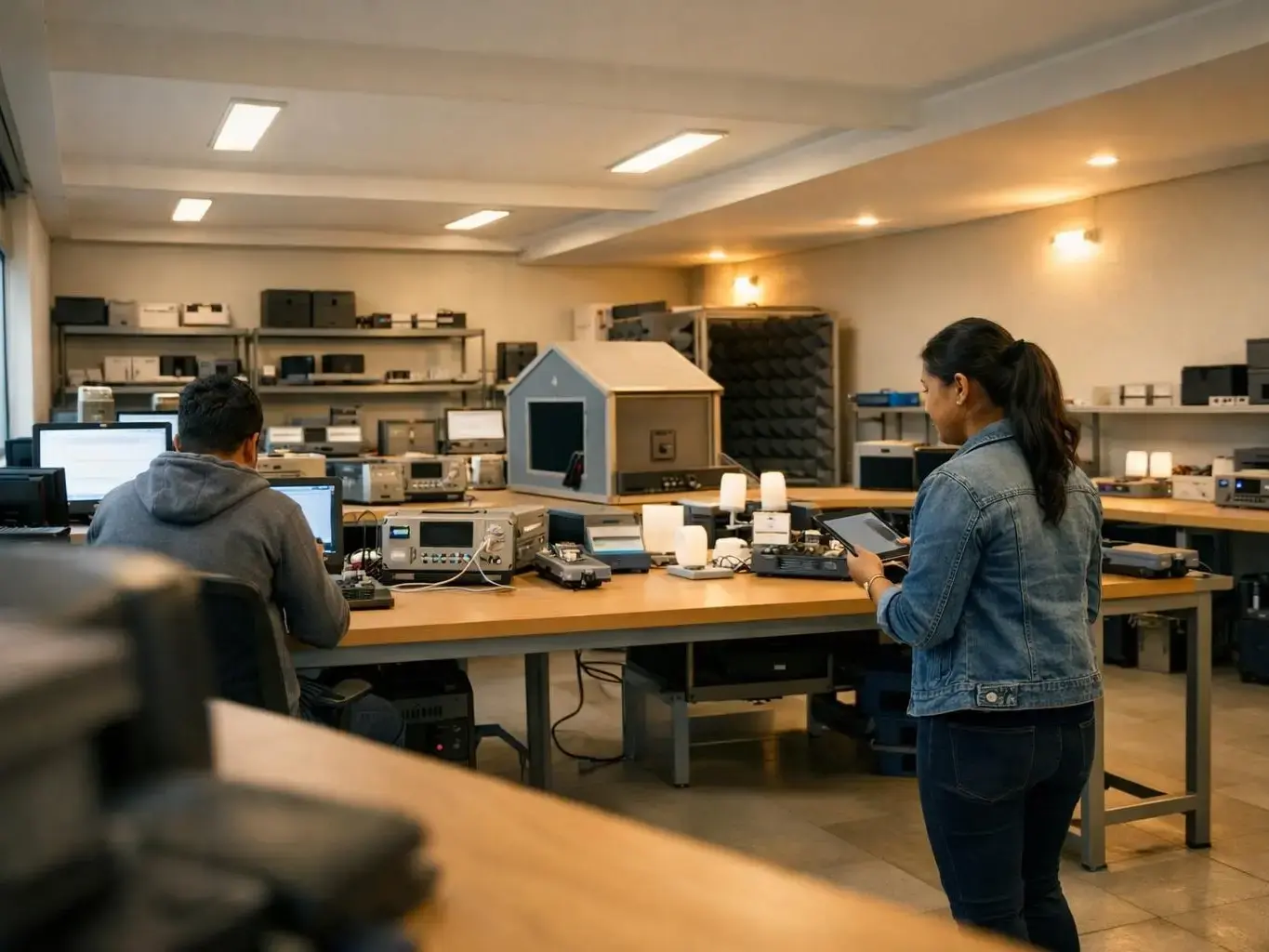
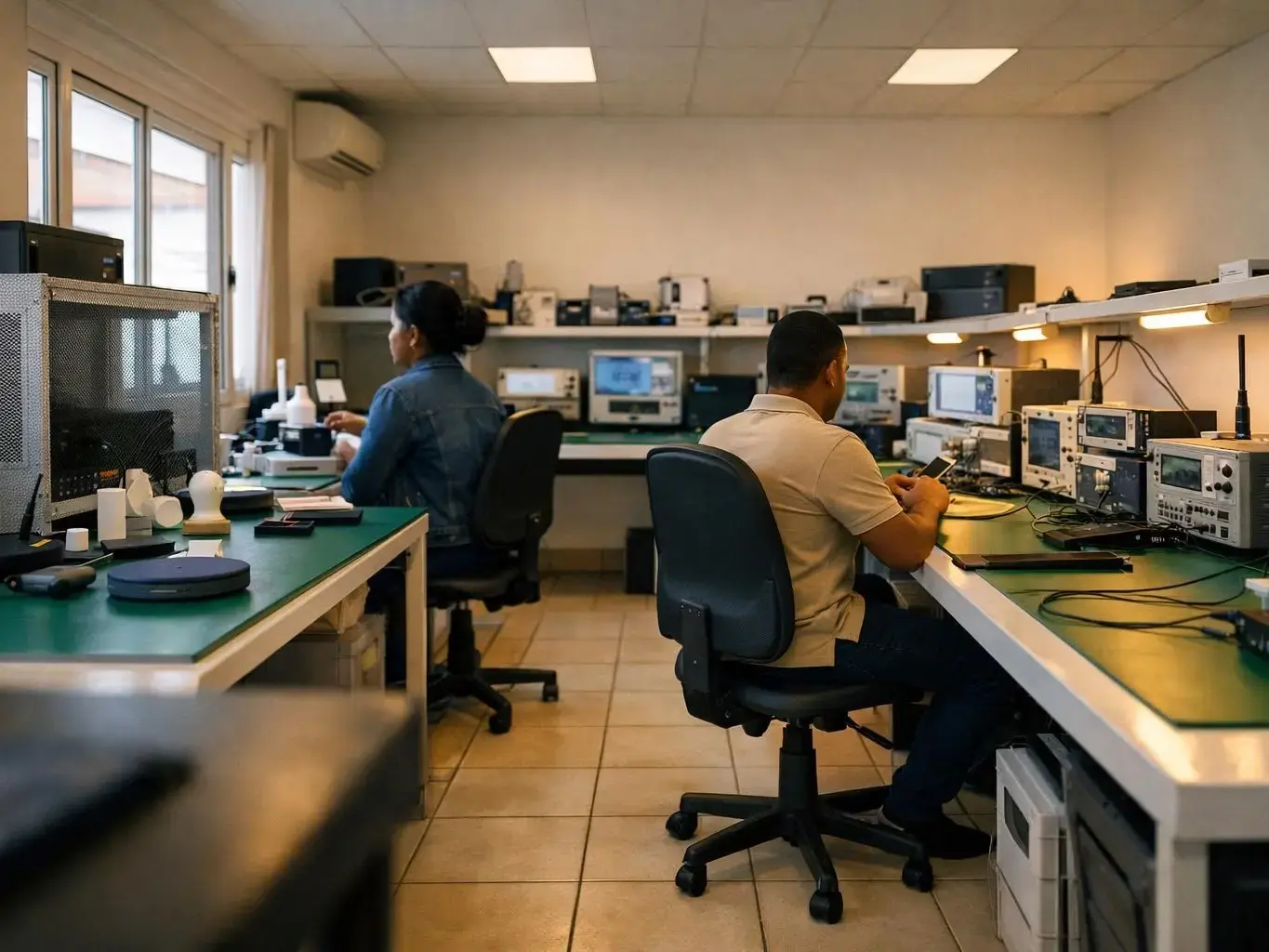
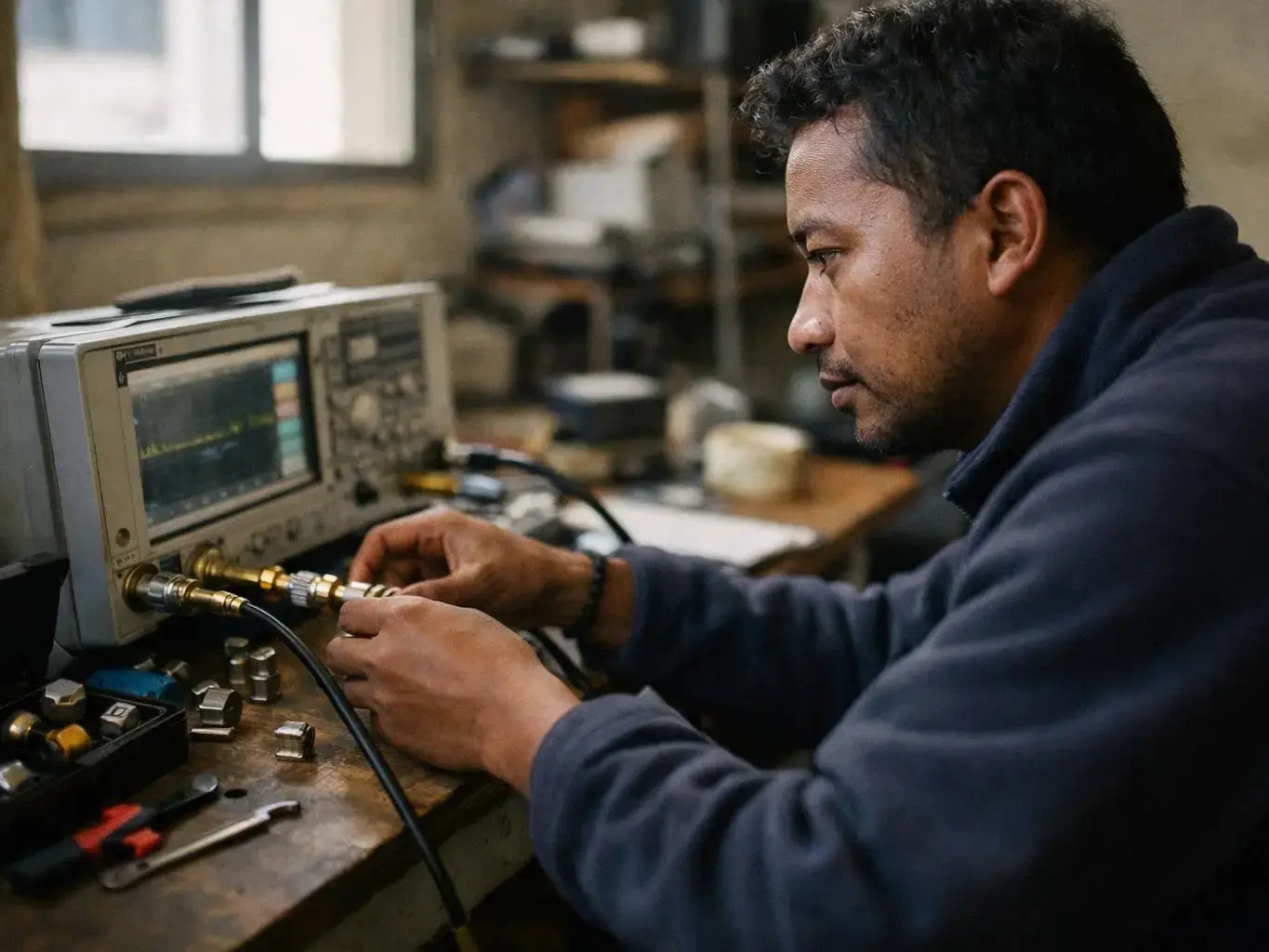
To measure RFI, experts use tools like spectrum analyzers and EMI receivers. These detect and measure unwanted emissions. Standards from groups like the IEC and ITU set limits for RFI.
These limits keep devices from emitting too much interference. Testing for RFI is key for wireless devices. It ensures they meet rules and can be sold without problems.
Common ways to reduce RFI include shielding parts with metal. Filters can block unwanted frequencies. Circuits can also be designed to cut down on emissions.
A well-shielded cable stops outside signals from interfering. A good antenna can also help. These methods are vital for industries like telecom, aerospace. And medical devices.
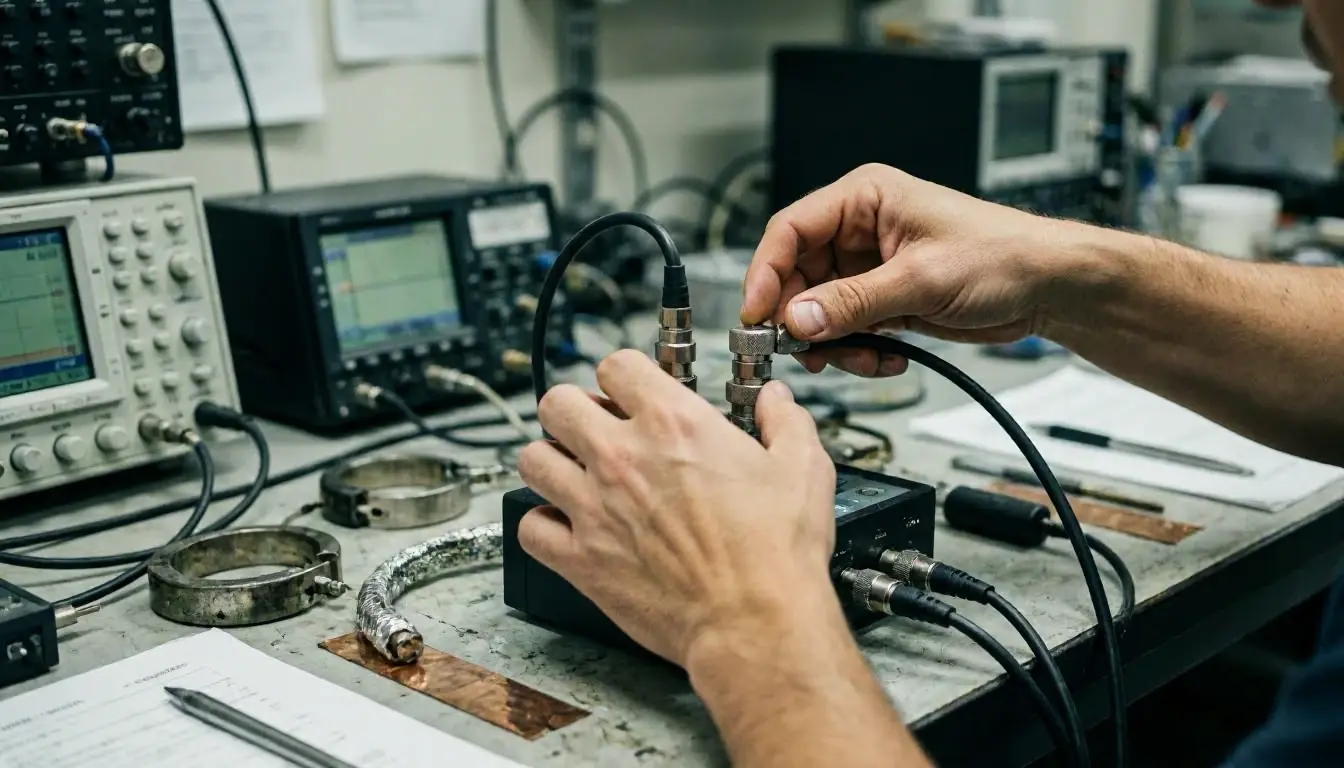
RFI matters because it affects device reliability, safety. And performance. In daily life, it can cause bad call quality or slow internet. It can also disrupt TV signals.
But in important industries like aviation and healthcare, RFI is a serious risk. It can interfere with aircraft systems or medical devices like pacemakers. This could be life-threatening.
So, controlling RFI is very important. It requires strict testing and following rules.
Beyond safety, RFI also affects product success. Devices that don't meet interference rules can be blocked from markets. This leads to costly fixes, delays. And damage to a company's reputation.
Following RFI rules isn't just a legal need. It's also a competitive edge. Consumers want devices that work well and don't cause problems.
For makers, good testing and design mean their products meet global standards. They can sell them in many markets without legal issues.
RFI matters most where reliable communication is key. It also matters where device failure could have serious results. In telecom, RFI testing ensures devices like smartphones and routers work right.
They won't disrupt other nearby equipment. In medicine, devices like MRI machines and pacemakers must be free from interference. This avoids mistakes or malfunctions that could harm patients.
RFI is also important during product development and certification. Before selling a device, it must pass tests in places like Madagascar, the EU. Or the U.S.
These tests check if it meets local rules for emissions. Failing can lead to fines, recalls. Or bans. RFI is also a big concern in places with many devices.
Offices, hospitals. And factories can have interference. This can cause safety risks or slow down work.
Regulators and testing services check RFI routinely. They make sure wireless devices entering the market are safe. In Madagascar, devices must follow national and global standards.
This prevents them from disrupting local networks or critical systems. Understanding RFI helps makers, regulators. And consumers. They can make smart choices about design, testing. And use.
Radio Frequency Interference is not just a technical issue but a regulatory and safety concern. Even low-level interference can degrade performance in sensitive applications like aviation or medical devices, making compliance testing essential for market access and user safety.
A hospital in Madagascar installed new wireless patient monitoring systems, only to experience frequent signal drops. After testing, it was discovered that nearby radio transmitters were causing Radio Frequency Interference. Shielding the devices and adjusting their operating frequencies resolved the issue, ensuring reliable patient monitoring.
CERTIBRIDGE
Contact CERTIBRIDGE for practical guidance on Radio Frequency Interference and related type approval services work in Madagascar.