Bluetooth SIG is a non-profit group. It sets Bluetooth tech rules. It checks that devices work with each other. Bluetooth SIG makes tech specs. It tests products to meet these rules. It lets makers use the Bluetooth name and logo.
Category
Wireless technology standards organization
Used for
Bluetooth device certification and interoperability
Common confusion
Bluetooth SIG is not a government regulator but a private industry group
Also called
Bluetooth Special Interest Group
Often discussed with
Bluetooth Devices certification, Wireless Technology Certifications

Bluetooth SIG. Or the Bluetooth Special Interest Group, is the organization responsible for defining Bluetooth technology and ensuring that devices using Bluetooth can communicate effectively. Founded in 1998 by a group of technology companies, Bluetooth SIG is a global community of over 35,000 member companies that collaborate to develop, maintain. And promote Bluetooth standards. The organization doesn't manufacture products but instead creates the technical rules that manufacturers follow to build Bluetooth-enabled devices.
Related glossary terms: Type Approval, Wireless Compliance, RF Testing.
Bluetooth SIG plays a critical role in wireless communication by managing the Bluetooth brand and licensing it to companies that produce Bluetooth products. Without Bluetooth SIG, devices from different manufacturers might not work together, leading to frustration for users. The organization also runs certification programs to verify that products meet Bluetooth specifications, which helps maintain trust in the technology.
Bluetooth SIG operates through a structured process that includes developing technical specifications, testing products for compliance. And licensing the Bluetooth trademark. The organization releases regular updates to Bluetooth standards, introducing new features like improved data transfer speeds, lower power consumption. And enhanced security. These updates ensure that Bluetooth technology keeps pace with evolving user needs, such as support for smart home devices, wearables. And automotive systems.
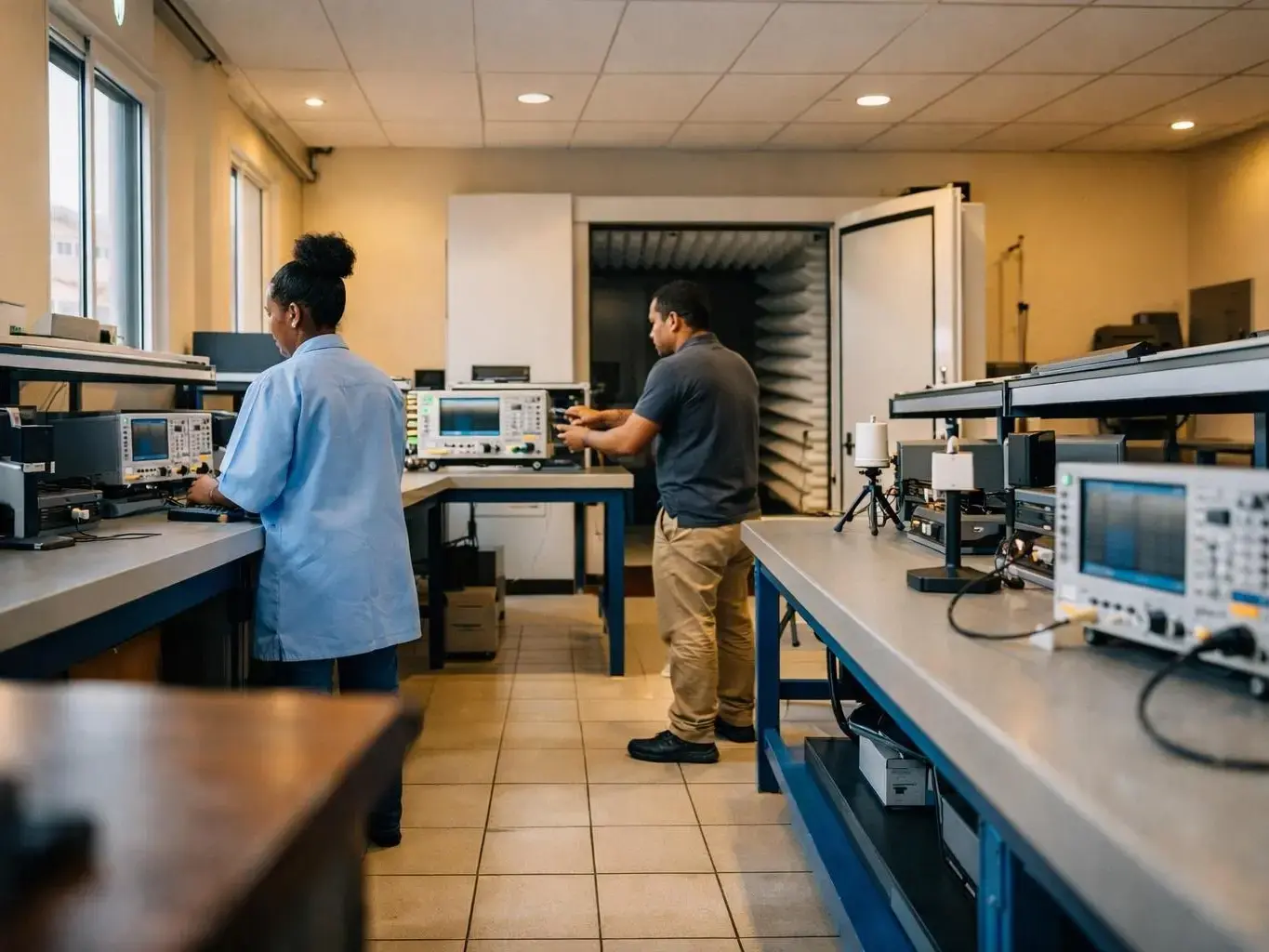
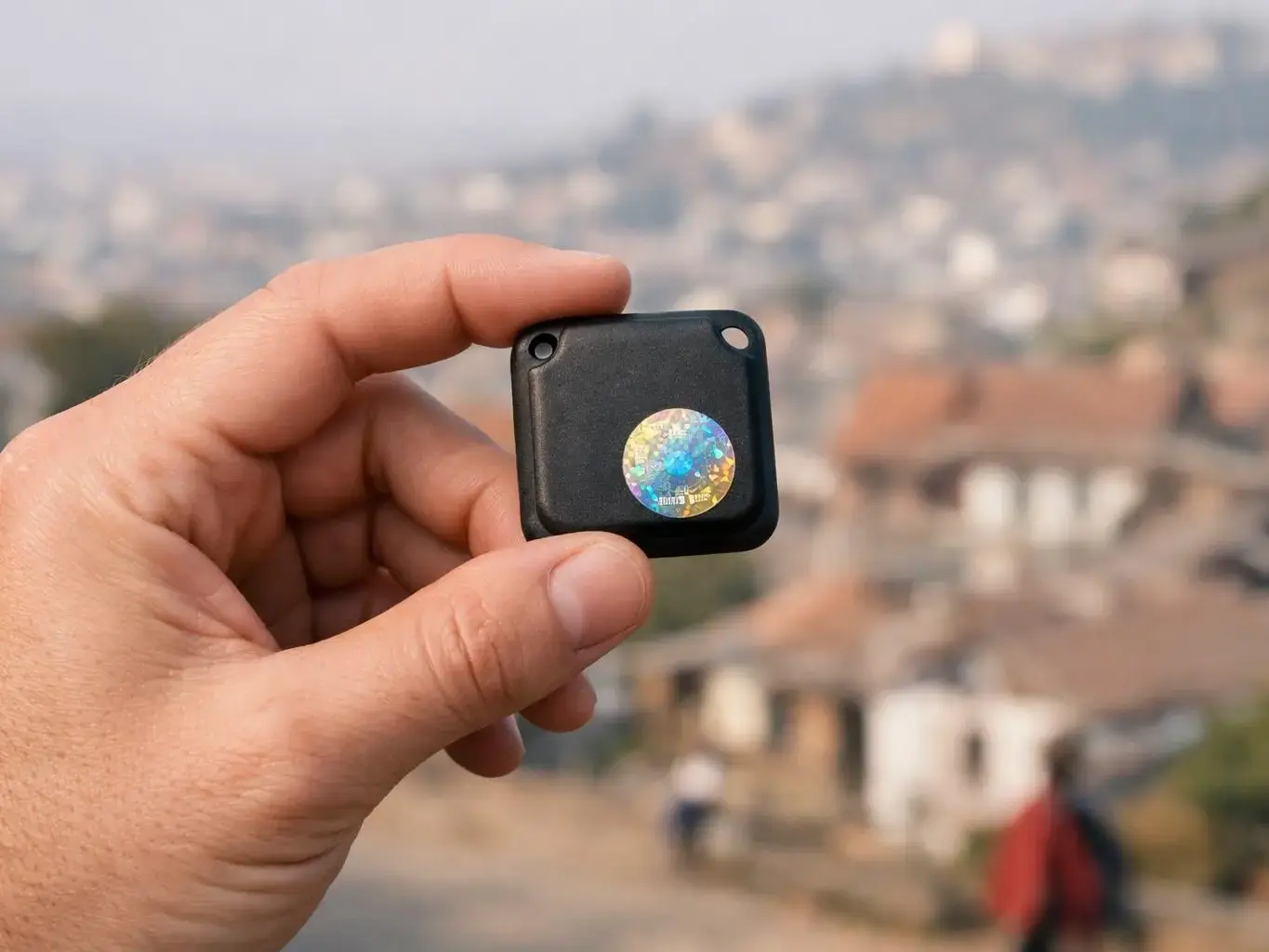
Manufacturers seeking to use Bluetooth technology must join Bluetooth SIG as members and submit their products for certification. The certification process involves testing devices in authorized laboratories to confirm they meet Bluetooth specifications. Once certified, products can display the Bluetooth logo, signaling to consumers that they're compatible with other Bluetooth devices. Bluetooth SIG also provides tools and resources to help developers design products that comply with its standards, including software development kits and testing guidelines.

Bluetooth SIG matters because it ensures that Bluetooth devices from different manufacturers work together smoothly. Without a centralized organization setting standards, Bluetooth technology could fragment into incompatible versions, making it difficult for consumers to connect devices like headphones, speakers. Or smartwatches. Certification by Bluetooth SIG also helps prevent technical issues like interference, dropped connections. Or poor performance, which can frustrate users and damage the reputation of Bluetooth technology.
For manufacturers, compliance with Bluetooth SIG standards is essential for market access. Products that fail certification can't legally use the Bluetooth name or logo, which can limit their appeal to consumers. And Bluetooth SIG’s standards help drive innovation by providing a stable foundation for new wireless technologies, enabling advancements like Bluetooth Low Energy (BLE) for battery-powered devices and Bluetooth Mesh for large-scale networks.
Bluetooth SIG matters most when developing, manufacturing. Or selling wireless devices that use Bluetooth technology. Companies must engage with Bluetooth SIG early in the product development process to ensure their designs comply with current standards. This is especially important for devices that rely on Bluetooth for critical functions, such as medical equipment, automotive systems. Or industrial sensors, where reliability and interoperability are essential.
Bluetooth SIG certification is also a key consideration during regulatory approval processes, such as type approval for wireless devices. Regulatory authorities in many countries, including Madagascar, require proof of Bluetooth compliance as part of their market access requirements. For example, a manufacturer of Bluetooth-enabled smart home devices must provide Bluetooth SIG certification documents alongside other technical filings when applying for type approval. Failure to comply with Bluetooth SIG standards can result in delays, additional testing costs. Or rejection of the product from the market.
Wi-Fi Alliance sets standards for Wi-Fi technology. While Bluetooth SIG focuses on Bluetooth wireless communication.
FCC Certification is a regulatory requirement for wireless devices in the U.S.. While Bluetooth SIG certification ensures Bluetooth interoperability.
Bluetooth SIG certification is not a one-time process. Manufacturers must recertify products when Bluetooth standards are updated or when significant design changes are made to ensure continued compliance.
A maker builds a new Bluetooth fitness tracker. They send it to Bluetooth SIG for tests. The tracker must meet Bluetooth Low Energy rules. This lets it connect to phones and other devices. Once it passes, it can show the Bluetooth logo.
Type Approval is a formal certification process that confirms a product model meets specific technical and regulatory standards set by a government or industry authority. Type Approval ensures the product is safe, compatible.
Wireless Compliance is a set of rules for wireless devices. These rules must be met to sell or use them in a country. They keep devices safe and stop them from blocking other signals. They also follow national radio rules. Compliance means testing, certification. And approval by groups in charge.
RF Testing checks radio signals from wireless devices. It makes sure they meet rules for safety and speed. It also stops signals from mixing with others. Tests look at signal strength, frequency. And how clear the signal is.
Module Certification is a conformity assessment process that evaluates a self-contained radio or telecom component—such as a Wi-Fi chip, Bluetooth module. Or cellular modem—against technical regulations before it's integrated into a finished product. Module Certification ensures the component complies with spectrum, safety.
ETSI Standards are technical specifications developed by the European Telecommunications Standards Institute to ensure interoperability, safety. And performance of information and communication technologies (ICT). These standards cover areas like wireless communications, cybersecurity.
CERTIBRIDGE
Contact CERTIBRIDGE for practical guidance on Bluetooth SIG and related type approval services work in Madagascar.