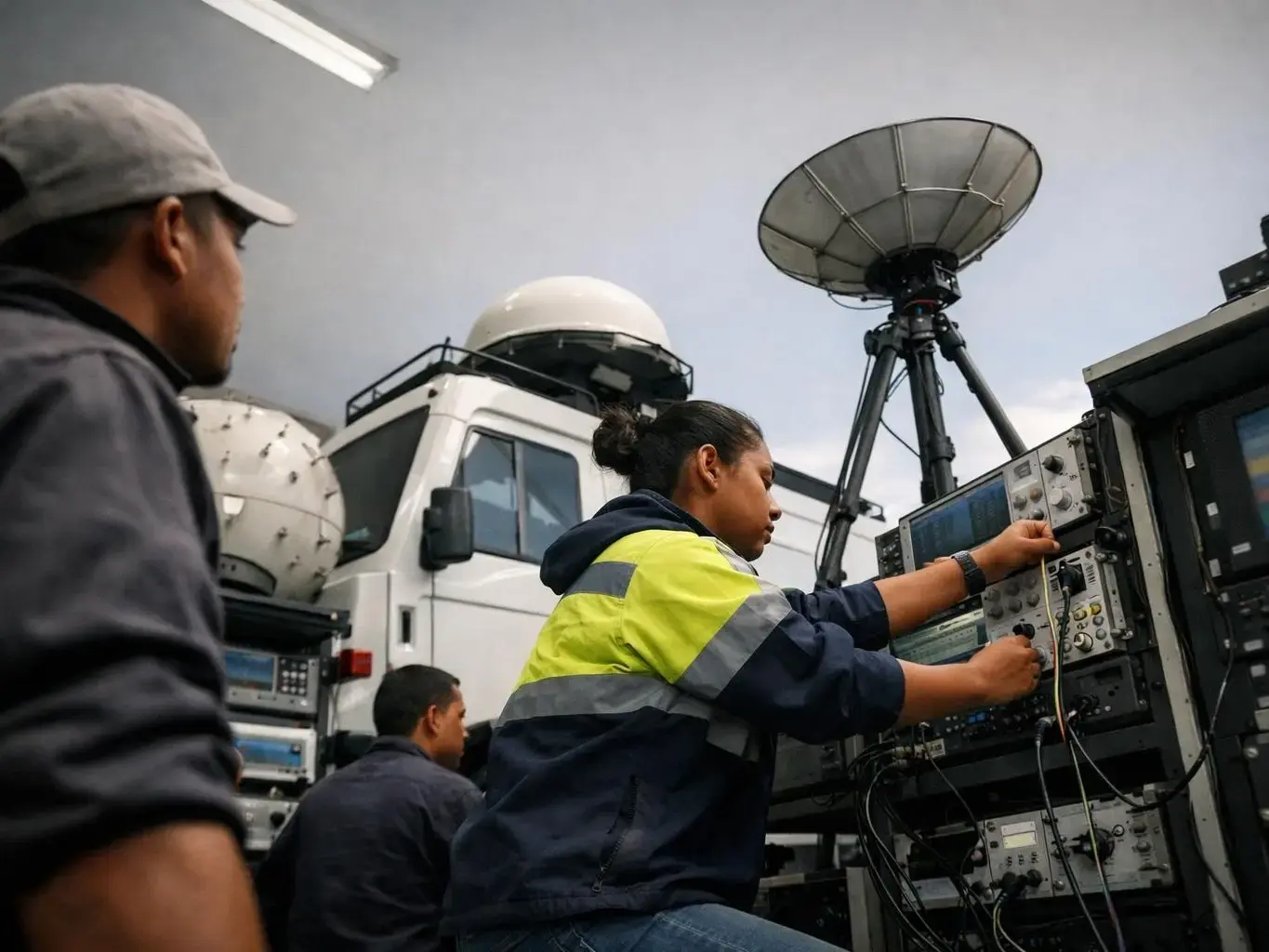
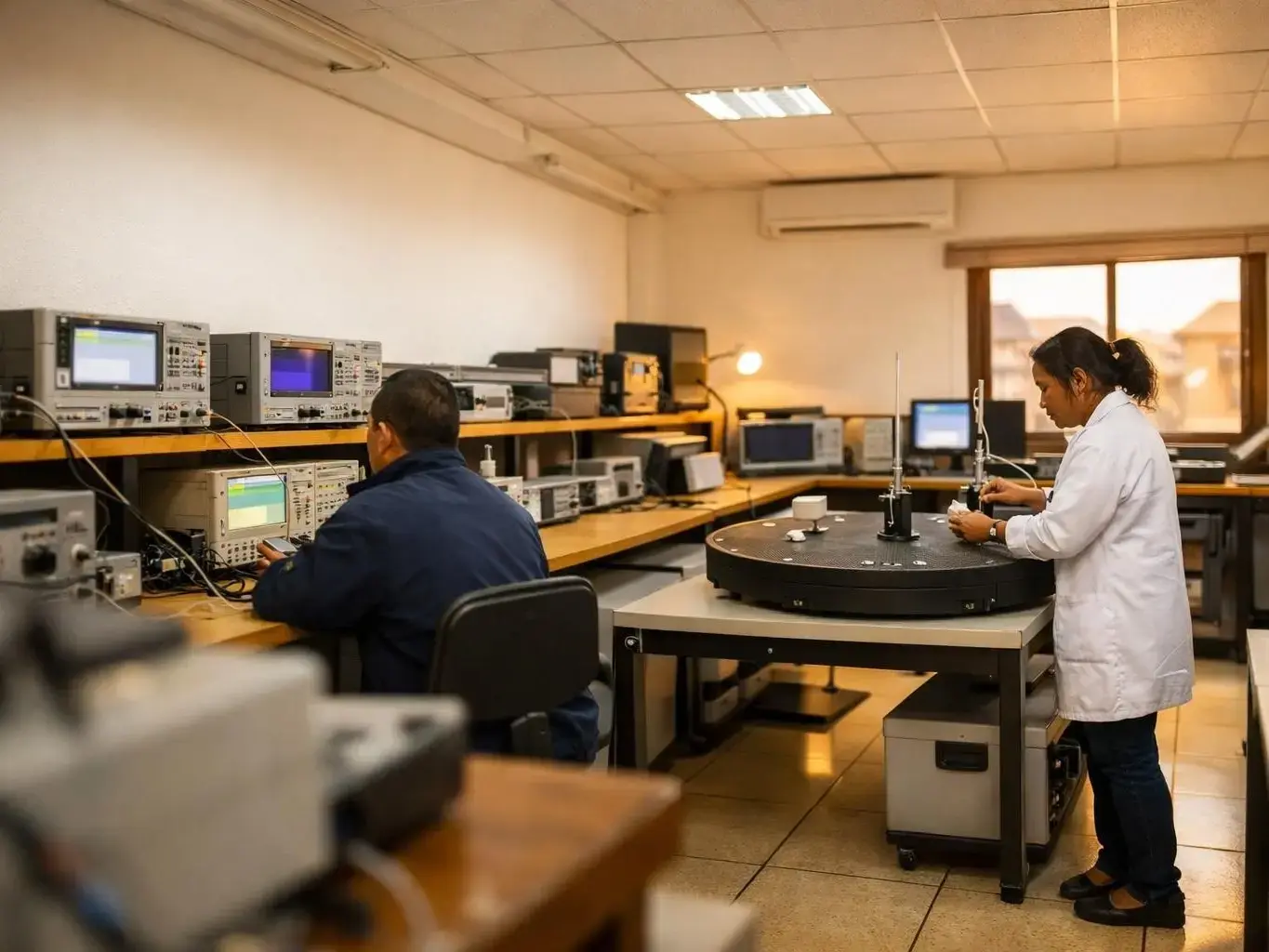
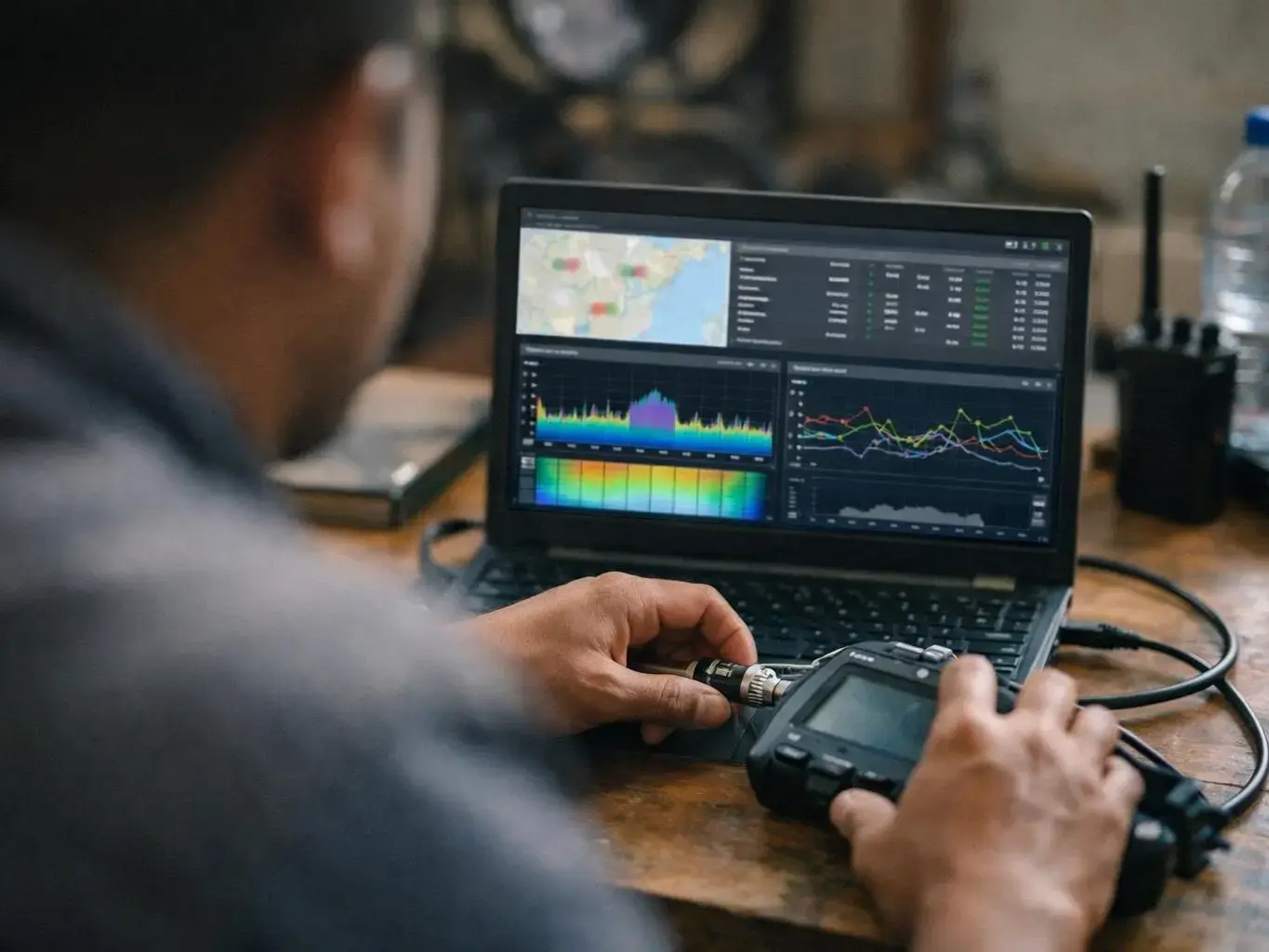
Module Certification is a conformity assessment process that evaluates a self-contained radio or telecom component—such as a Wi-Fi chip, Bluetooth module. Or cellular modem—against technical regulations before it's integrated into a finished product. Module Certification ensures the component complies with spectrum, safety.
Term
Module Certification
Category
Process
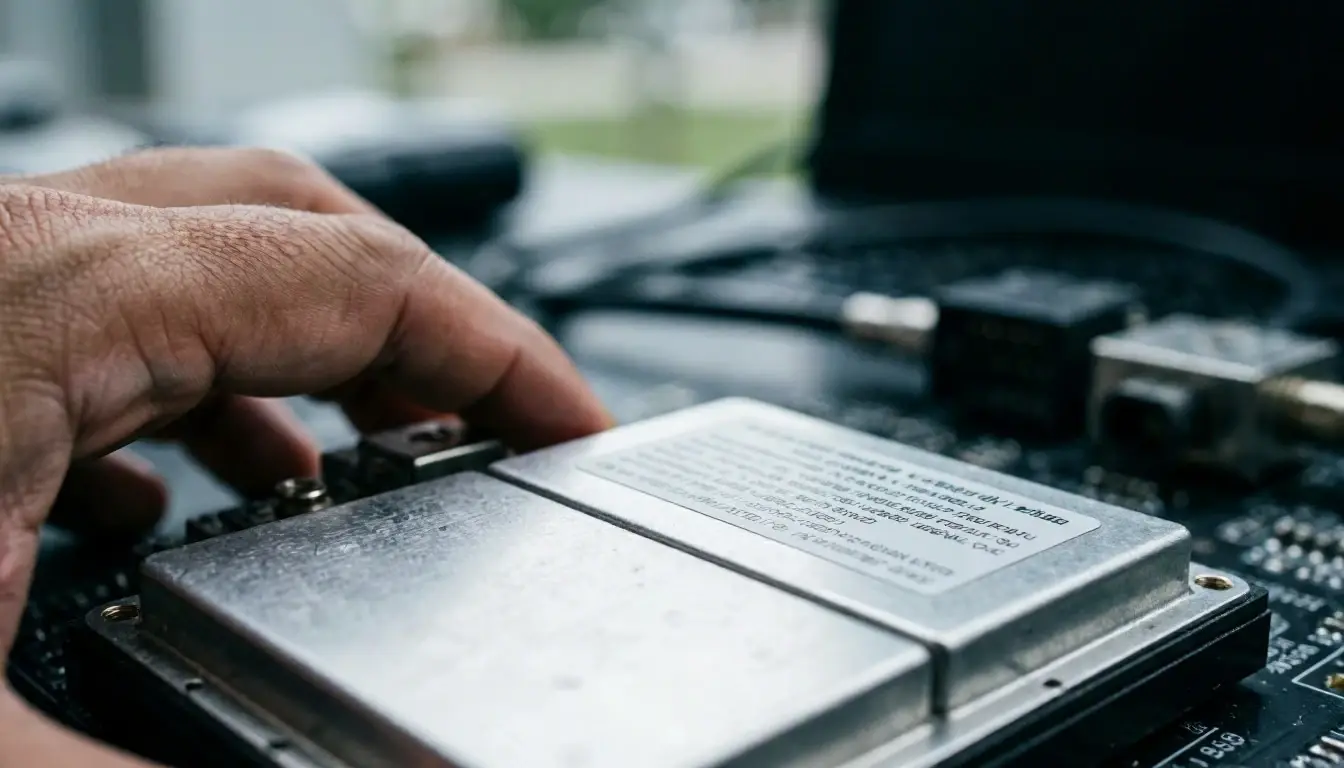
Module Certification looks at one small part of a bigger device. This part is called a module. It usually handles wireless tasks like Wi-Fi, Bluetooth. Or mobile networks.
Regulators test just the module instead of the whole product. This makes sense because the module goes into many different products. Testing it once saves time and money.
In Madagascar and other countries, radio waves are controlled. This prevents interference with devices like emergency radios or airplane systems. Module Certification checks that the module follows these rules.
It also checks safety rules. For example, it makes sure the module doesn’t overheat or leak too much radiation. Once it passes, the module gets a certificate.
This certificate lets companies use the module in many products. They don’t have to test each product from scratch. A Bluetooth module in one country might go into smartwatches, speakers. Or car systems.
But the finished products still need to follow other rules. These include electrical safety and labeling.
Module Certification starts with the manufacturer sending the module to a lab. The lab tests the radio signal strength and frequencies. It also checks if the module causes interference.
The lab tests safety too. It looks at heat levels and exposure to radio waves. These tests follow rules set by local regulators like ARTEC in Madagascar or the FCC in the U.S.
If the module passes, the manufacturer gets a certificate. This includes the model number and technical limits. It also lists the countries where it’s approved.
The manufacturer can then sell the module to other companies. Those companies can build it into their products. The certificate stays valid unless the module changes.
If the manufacturer updates the module, they usually need to recertify it. For example, they might use a new chip or change its power.
Module Certification is different from full product certification. Full certification tests the whole product, like a smartphone. Module Certification tests only the wireless part.
This makes it faster and cheaper. But the finished product still needs to follow other rules. These include electrical safety and labeling before sale.

Module Certification helps manufacturers save time and money. Without it, every product with a wireless module would need full testing. For example, a company making smartwatches and fitness trackers would test each one.
With Module Certification, they test the module once. Then they can use it in both products. This makes new products cheaper and faster to launch.
It also helps regulators keep airwaves safe. Radio waves are used by phones, medical devices. And more. If a module causes interference, it could disrupt important services.
Module Certification checks that the module follows the rules. This helps prevent problems like emergency call failures. It also checks safety rules, like exposure limits for radio energy.
Module Certification is key when a company uses the same wireless part in many products. For example, a smart home company might use one Wi-Fi module in lights, thermostats. And cameras.
Instead of testing each product, they certify the module once. This is helpful for companies selling in multiple countries. Each country has its own rules.
Module Certification also helps when speed matters. Testing a whole product can take weeks or months. Testing a module is usually faster.
This lets companies launch products sooner. That’s a big advantage in competitive markets. But Module Certification isn’t always the best choice.
If a company makes only one product, full certification might be simpler. It’s also better if the wireless part isn’t a separate module. In Madagascar, Module Certification is important for companies importing wireless parts.
ARTEC sets rules for radio devices. Module Certification helps ensure compliance before products hit the market. Without it, companies risk delays, fines. Or blocked sales.
Module Certification is not a one-size-fits-all solution. Some regulators, like those in the EU, require additional testing when a certified module is built into a finished product. Always check local rules to see if extra steps are needed.
A company in Madagascar imports Bluetooth modules to build into wireless headphones. Instead of testing each headphone model separately, they certify the Bluetooth module once. The certificate shows the module meets Madagascar’s radio rules. Now, the company can use the same module in multiple headphone models without retesting, saving time and money.
CERTIBRIDGE
Contact CERTIBRIDGE for practical guidance on Module Certification and related type approval services work in Madagascar.