ETSI Standards are technical specifications developed by the European Telecommunications Standards Institute to ensure interoperability, safety. And performance of information and communication technologies (ICT). These standards cover areas like wireless communications, cybersecurity.
Term
ETSI Standards
Category
Definition
ETSI Standards are rules and guides. They're made by the European Telecommunications Standards Institute (ETSI). ETSI is independent and doesn't make money. It brings together companies, regulators. And researchers.
They work on standards for phones, networks. And cybersecurity. They also cover digital broadcasting. The goal is to make sure devices from different brands work together well.
ETSI doesn't force companies to follow its standards. It doesn't give out certifications either. Instead, it gives governments and industries a technical base for their own rules.
Many countries use ETSI Standards for telecom equipment approval. So, a phone tested in one country may meet rules in another. This helps trade between countries.
Experts from member groups make ETSI Standards together. Members include phone companies, device makers. And researchers. Governments and regulators are also part of it.
The process starts when they see a need. For example, they might need better 5G security. Or they might want IoT devices to work together. ETSI then forms a team to write the standard.
The draft goes through many reviews and public comments. After that, ETSI publishes the final standard. Anyone can use it for free.
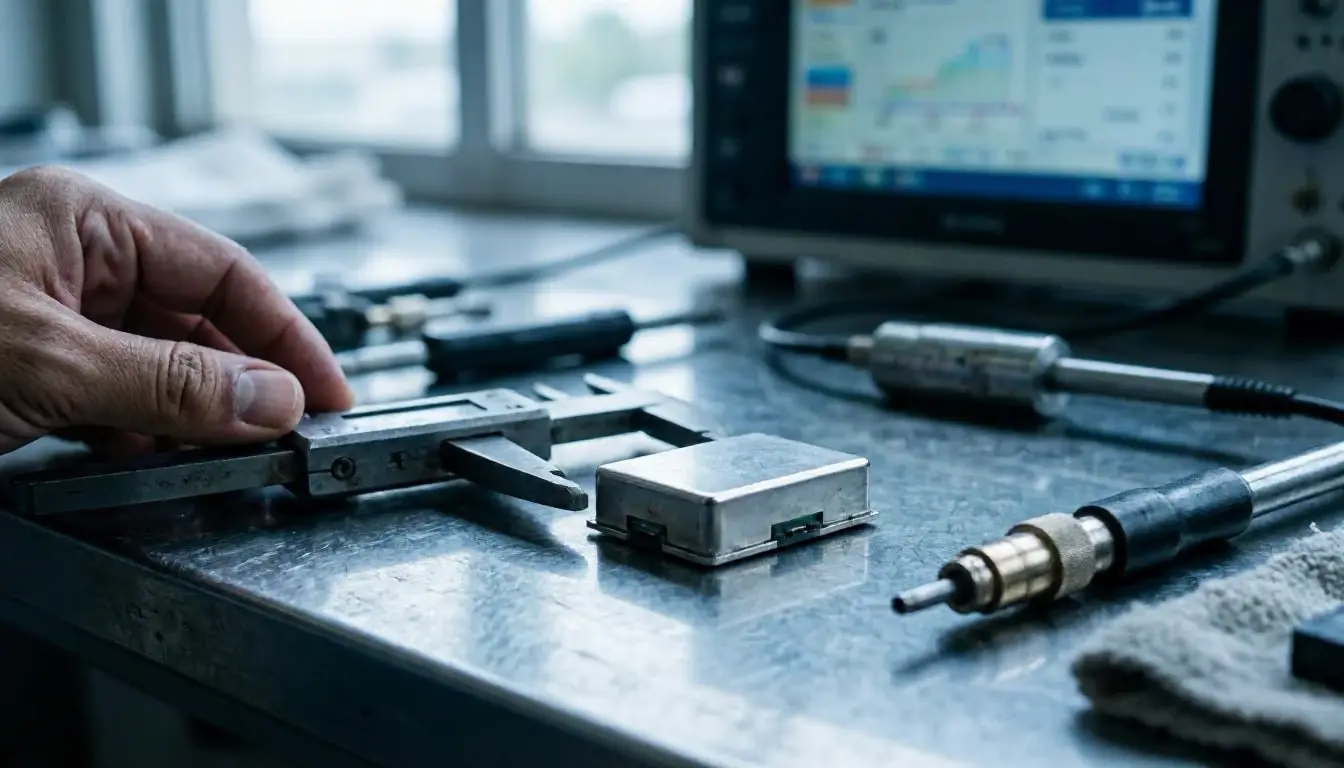
Companies use these standards when making and testing products. For example, ETSI EN 301 511 is for mobile phones. It sets rules for radio performance, safety. And compatibility.
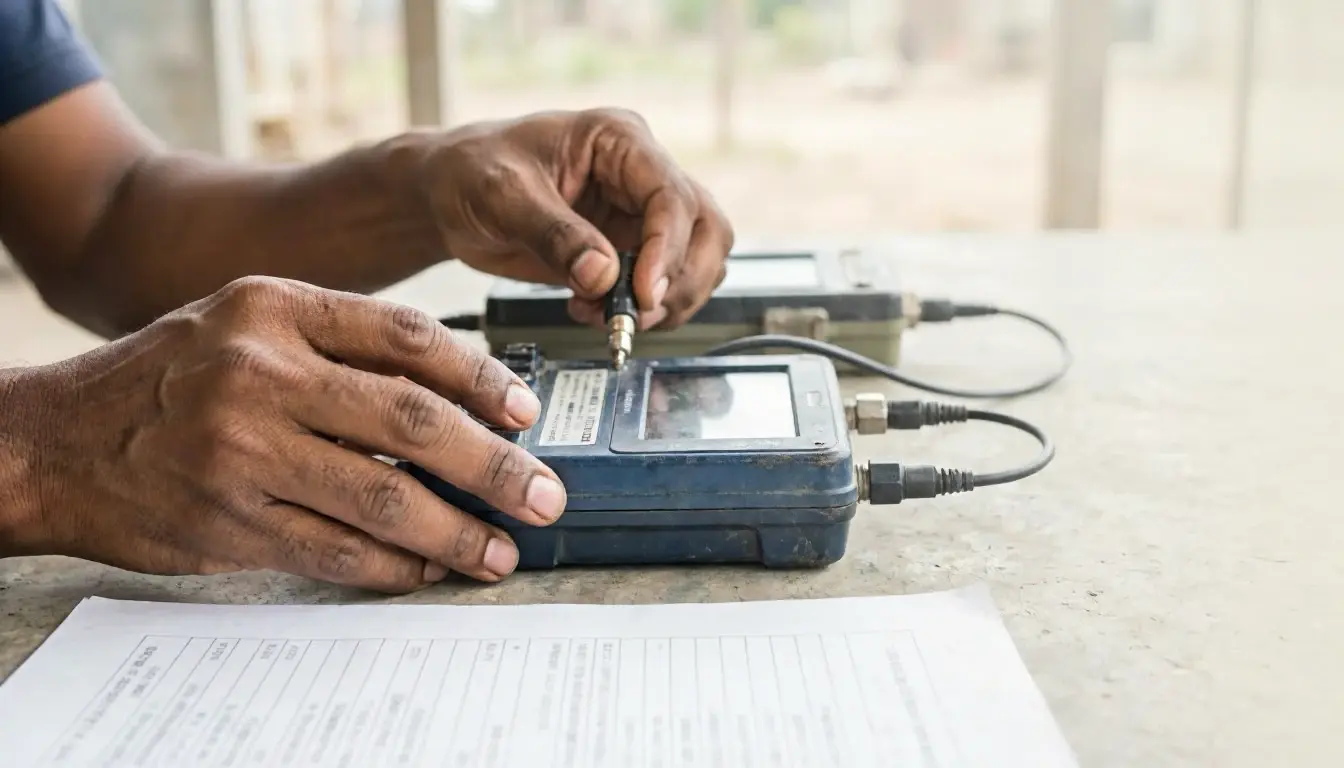
Many countries need this standard for phone approval. Testing labs check if devices meet it. Only then can they be sold in places like Africa, Asia. And Europe.
ETSI Standards help the global tech industry. They make sure devices work together and break down technical walls. Without them, different brands might not connect.
This could split markets and raise costs. For example, a phone for one country might not work in another. ETSI Standards stop this by giving everyone the same technical rules.
Following these standards saves companies money. They don't have to redesign products for new markets. Many countries use ETSI Standards for their rules.
So, a tested device is more likely to pass local approval. This speeds up getting products to market. It's key for businesses working in many regions.
ETSI Standards also cover safety and security. They help with things like interference and data protection. These are important for users and networks.
ETSI Standards matter when devices cross borders. They also help with following local rules. For example, a phone maker selling in many countries must meet each one's approval rules.
Many countries use ETSI Standards in their rules. So, following these standards makes approval easier. Network operators also rely on them for new tech like 5G or IoT.
This ensures new tech works with what's already there. ETSI Standards also tackle issues like interference or security. For instance, ETSI EN 300 328 is for 2.4 GHz wireless devices.
These include Wi-Fi routers and Bluetooth gadgets. The standard helps stop devices from interfering. It also makes sure they work reliably.
In places like Madagascar, type approval is needed for telecom gear. ETSI Standards give a trusted way to check if devices are ready for market.
ETSI Standards are not static; they evolve with technology. Manufacturers must monitor updates to ensure ongoing compliance, especially for devices with long lifecycles like industrial IoT systems.
A manufacturer developing a new 5G smartphone for the African market uses ETSI EN 301 908, the standard for mobile device radio frequency performance.
CERTIBRIDGE
Contact CERTIBRIDGE for practical guidance on ETSI Standards and related type approval services work in Madagascar.