Conformity Assessment is a systematic process that determines whether a product, service, system. Or person meets specified requirements, standards. Or regulations. It includes activities like testing, inspection, certification.
Term
Conformity Assessment
Category
Definition
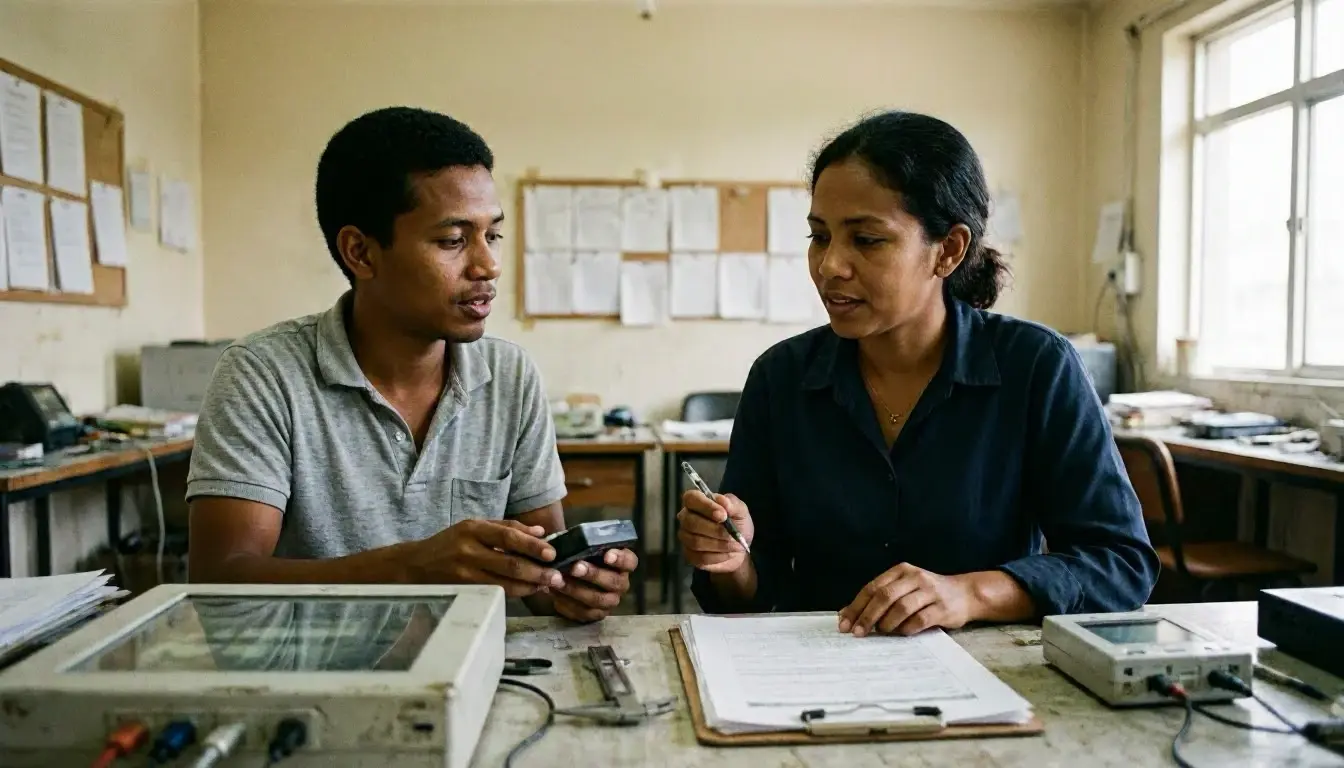
Conformity Assessment is the process used to confirm that a product, service. Or system meets the requirements set by laws, regulations. Or industry standards. It's not just about checking quality—it is about ensuring safety, performance. And legal compliance before something reaches consumers or businesses. For example, a smartphone must pass conformity assessment to prove it doesn't interfere with other devices or exceed radiation limits. Without this process, unsafe or non-compliant products could enter the market, creating risks for users and legal problems for manufacturers.
The process is structured around internationally recognized frameworks, such as those from the International Organization for Standardization (ISO) or the International Electrotechnical Commission (IEC). These frameworks define how testing, inspection. And certification should be carried out. Conformity Assessment is not a one-time event; it often involves ongoing checks to ensure continued compliance, especially for products with long lifespans or those subject to changing regulations.
Conformity Assessment typically follows a step-by-step workflow. First, the product or service is evaluated against relevant standards or regulations. This often involves laboratory testing, where samples are checked for performance, safety. And compatibility. For instance, electrical devices might be tested for electromagnetic interference to ensure they don't disrupt other equipment. After testing, an inspection may be conducted to verify manufacturing processes or product labeling meet requirements.
Once testing and inspection are complete, a certification body reviews the results. If the product meets all criteria, a certificate or mark of conformity is issued, such as the CE mark in Europe or FCC certification in the United States. This mark signals to regulators, retailers. And consumers that the product complies with applicable rules. In some cases, conformity assessment also includes factory audits or market surveillance to ensure ongoing compliance after certification.
Different industries use custom conformity assessment procedures. For example, medical devices undergo rigorous clinical evaluations. While toys are tested for safety hazards like choking risks. The level of assessment depends on the product's complexity and the potential risks it poses. High-risk products, such as aircraft components or pharmaceuticals, require more extensive evaluation than low-risk items like office supplies.

Conformity Assessment plays a critical role in protecting consumers, businesses. And the environment. By ensuring products meet safety and performance standards, it reduces the risk of accidents, injuries. Or financial losses caused by faulty or non-compliant goods. For businesses, conformity assessment provides a competitive advantage by demonstrating reliability and compliance, which can be a key selling point in regulated markets. It also helps avoid costly recalls, legal penalties. Or bans on non-compliant products.
Beyond safety and compliance, conformity assessment fosters trust in global trade. Many countries require imported products to undergo conformity assessment to ensure they meet local standards. Without this process, businesses would face barriers to entering new markets. And consumers would have no guarantee that products from other countries are safe or reliable. Conformity Assessment also supports innovation by setting clear benchmarks that new technologies must meet, encouraging manufacturers to develop safer and more efficient products.
Conformity Assessment is especially important in situations where product failures could have serious consequences. For example, electrical appliances must undergo conformity assessment to prevent fires or electric shocks. While children's toys are tested to avoid hazards like toxic materials or sharp edges. It is also critical for products entering highly regulated markets, such as the European Union or the United States, where non-compliance can result in fines or product seizures.
Businesses often need conformity assessment when launching new products, expanding into new markets. Or updating existing products to meet revised regulations. For instance, a manufacturer of wireless devices must ensure their products comply with radio frequency regulations in each country where they're sold. In Madagascar, conformity assessment is required for telecommunication devices to ensure they operate within approved frequency bands and do not cause interference with other networks. This process helps maintain the integrity of local communication systems and protects consumers from substandard or unsafe products.
A common issue is Conformity Assessment is also important during disputes or investigations. If a product is suspected of causing harm or failing to meet standards, conformity assessment records can provide evidence of compliance or identify areas where the product fell short. This documentation is often required by regulators, courts. Or insurance companies to resolve claims or legal challenges.
Conformity Assessment is not just about passing tests—it requires understanding the regulatory landscape of each target market. Even minor changes in product design or components can trigger re-assessment. So manufacturers should integrate compliance into their development process early.
A manufacturer of Wi-Fi routers wants to sell their product in Madagascar. Before entering the market, the routers undergo conformity assessment to ensure they comply with local telecommunication regulations. Testing confirms the devices operate within approved frequency bands and do not interfere with other networks. After passing the assessment, the routers receive certification, allowing them to be legally sold in Madagascar.
CERTIBRIDGE
Contact CERTIBRIDGE for practical guidance on Conformity Assessment and related type approval services work in Madagascar.