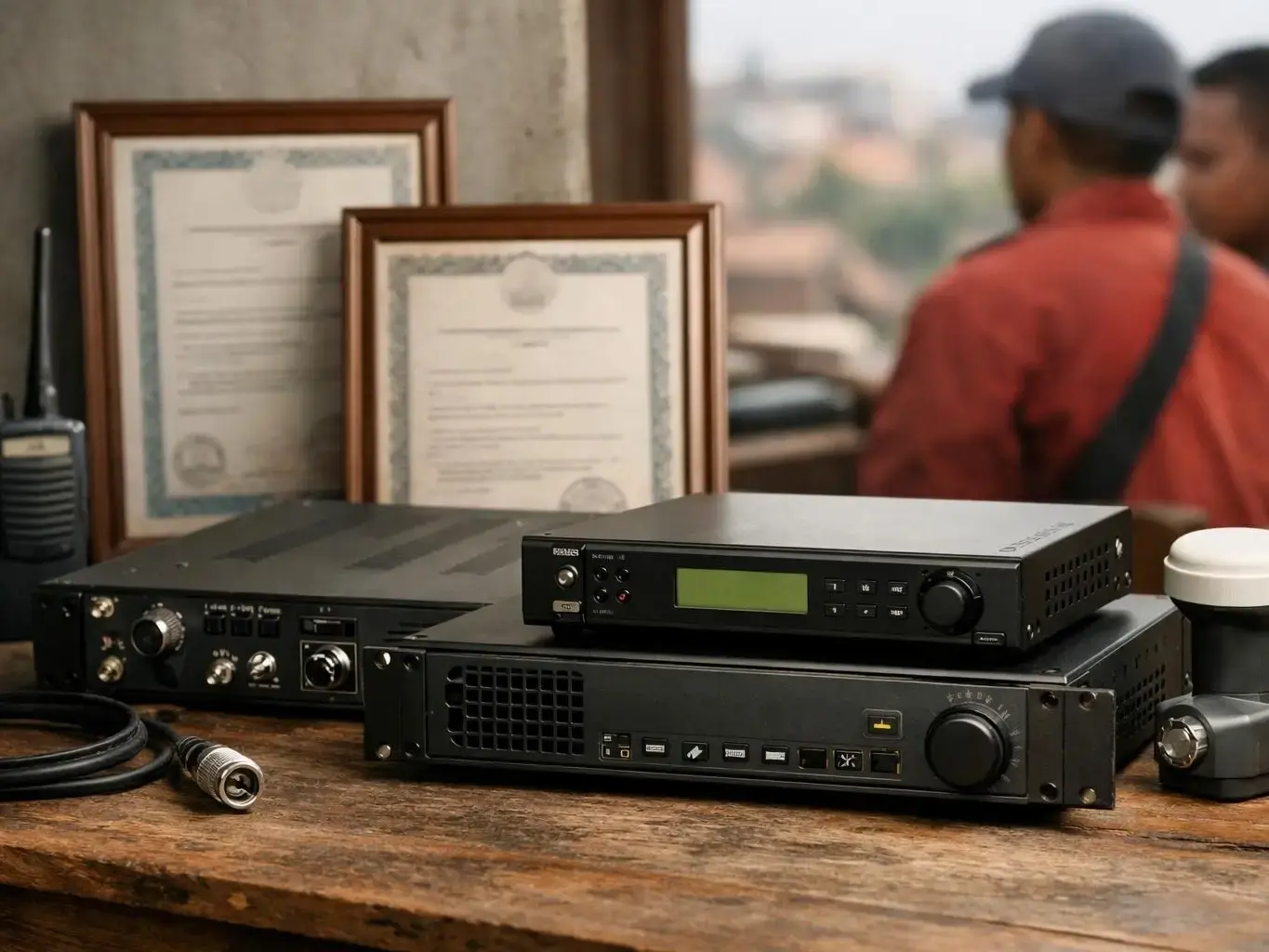
FTA Approval is a formal certification process required for telecommunication and radio frequency devices entering markets governed by Free Trade Agreements (FTAs). It ensures products comply with technical regulations, electromagnetic compatibility (EMC).
Category
Telecommunication and RF device certification
Used for
Market access under Free Trade Agreements
Common confusion
FTA Approval is not the same as general product certification or CE Marking
Also called
Free Trade Agreement Approval, FTA Certification
Often discussed with
Telecommunication devices certification, Radio frequency devices regulatory compliance

FTA Approval refers to the mandatory certification process that telecommunication and radio frequency (RF) devices must undergo before entering markets covered by Free Trade Agreements (FTAs). These agreements, such as the African Continental Free Trade Area (AfCFTA) or bilateral FTAs, aim to reduce trade barriers and simplify regulatory processes between member countries. FTA Approval ensures that products like mobile phones, Wi-Fi routers. And IoT devices comply with the technical, safety. And electromagnetic compatibility (EMC) standards of the importing country. Without this approval, devices may face customs delays, fines. Or outright bans from the market.
Related glossary terms: Type Approval, Homologation, FCC Certification.
Unlike general product certifications, FTA Approval is specifically tied to the terms of trade agreements. This means the approval process often includes reciprocal recognition of testing and certification conducted in other FTA member countries. For example, a device tested and certified in one African country under AfCFTA may require fewer additional tests to enter another African market. But local regulations still apply. And some countries may require additional documentation or testing to address specific national requirements, such as frequency allocations or RF exposure limits.
The FTA Approval process typically begins with identifying the applicable regulations and standards in the target market. Manufacturers or importers must submit technical documentation, including test reports from accredited laboratories, to the local regulatory authority. These test reports verify compliance with standards for RF emissions, electromagnetic interference (EMI). And safety. In some cases, the regulatory authority may require additional testing or on-site inspections to confirm compliance.
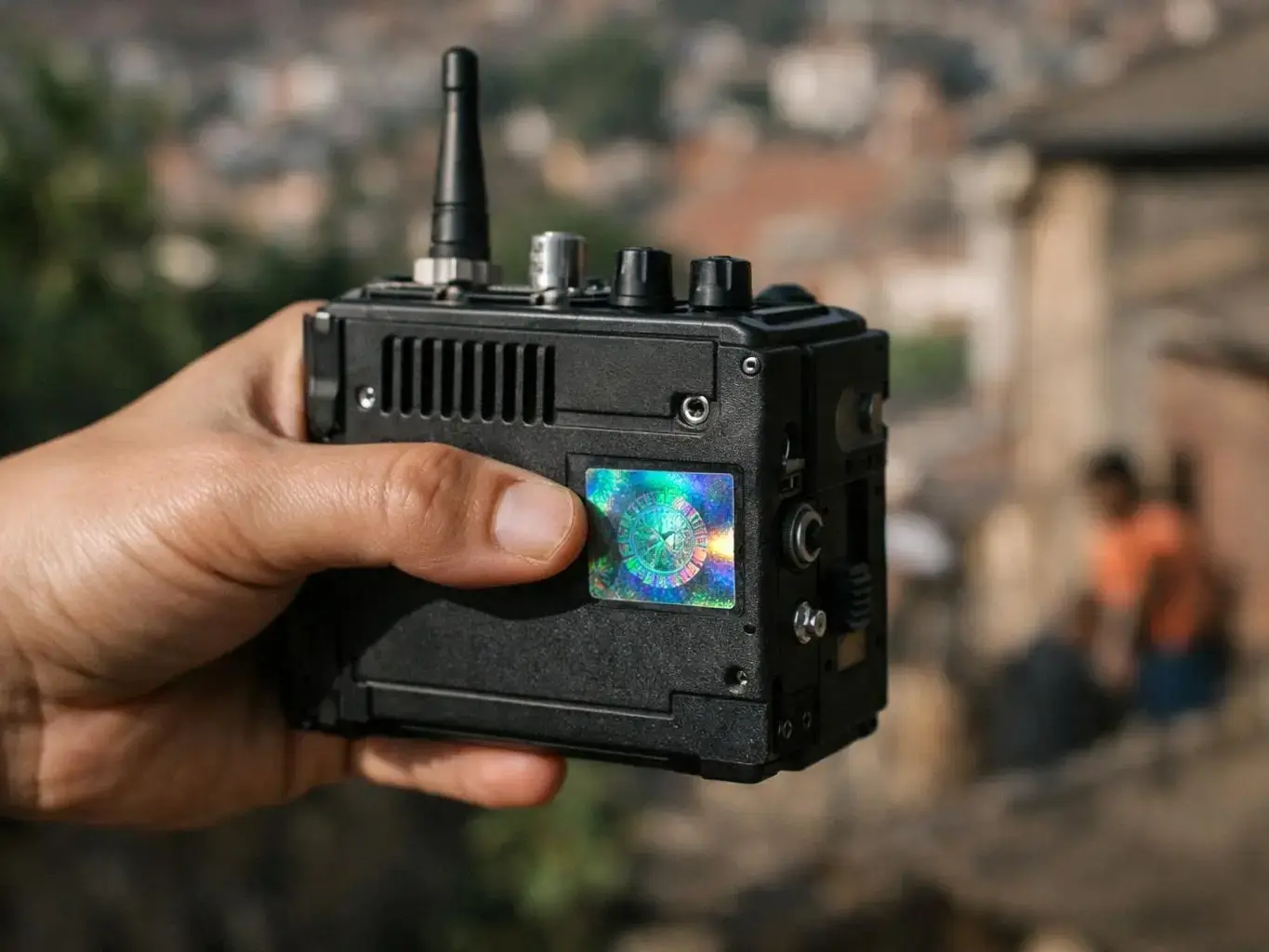
Once the documentation is reviewed and approved, the regulatory authority issues an FTA Approval certificate or mark, which must be displayed on the product or its packaging. This certificate serves as proof that the device meets the necessary standards and is eligible for import under the FTA. The approval process timeline varies by country but generally takes several weeks to months, depending on the complexity of the product and the efficiency of the regulatory authority. Some FTAs also allow for mutual recognition agreements (MRAs), where testing and certification conducted in one member country are accepted in another, reducing duplication and speeding up approval.

FTA Approval is critical for businesses looking to expand into new markets under Free Trade Agreements. Without it, products may be held at customs, incur additional costs. Or be rejected entirely, leading to lost sales and reputational damage. Compliance with FTA Approval requirements also demonstrates a commitment to product safety and quality, which can boost consumer trust and brand reputation. And FTA Approval helps prevent market disruptions caused by non-compliant devices, such as interference with local communication networks or safety hazards.
For governments and regulatory authorities, FTA Approval ensures that imported devices meet local standards, protecting consumers and national infrastructure. It also supports economic growth by facilitating trade and encouraging investment in compliant, high-quality products. By aligning regulations under FTAs, countries can reduce redundant testing and certification processes, lowering costs for businesses and consumers alike.
FTA Approval is particularly important for manufacturers and importers of telecommunication and RF devices planning to enter markets covered by Free Trade Agreements. This includes scenarios such as launching a new product in multiple countries, expanding into emerging markets. Or participating in cross-border e-commerce. Businesses must prioritize FTA Approval when dealing with devices that emit radio frequencies, such as mobile phones, wireless routers, GPS trackers. And smart home devices, as these products are subject to strict regulatory oversight.
FTA Approval also becomes critical during trade disputes or regulatory changes. For example, if a country updates its RF spectrum allocations or safety standards, devices previously approved may require re-certification. Businesses must stay informed about regulatory developments in their target markets to ensure ongoing compliance. And companies involved in government contracts or large-scale infrastructure projects may face heightened scrutiny, making FTA Approval a prerequisite for participation.
CE Marking certifies compliance with European Union standards for a wide range of products. While FTA Approval is specific to telecommunication and RF devices entering markets under Free Trade Agreements.
Type Approval is a broader certification process for various product categories, whereas FTA Approval is tailored to telecommunication and RF devices under Free Trade Agreements.
Homologation refers to the general process of certifying products for market access. While FTA Approval is a subset focused on trade agreements and telecommunication/RF devices.
FTA Approval often involves navigating both FTA-wide standards and country-specific requirements. Manufacturers should engage local regulatory experts early to avoid costly delays or re-testing.
A manufacturer of smart home devices plans to export Wi-Fi-enabled thermostats to multiple African countries under the AfCFTA. To comply with FTA Approval requirements, the company submits test reports from an accredited laboratory to the regulatory authorities in each target market. After review, the authorities issue FTA Approval certificates, allowing the devices to be imported without customs delays.
Type Approval is a formal certification process that confirms a product model meets specific technical and regulatory standards set by a government or industry authority. Type Approval ensures the product is safe, compatible.
Homologation is the official process by which a product, system. Or service is certified to meet specific regulatory standards set by a government or industry body. That way compliance with legal requirements, safety protocols. And technical specifications before the product can be legally sold, distributed.
FCC Certification is a must-follow rule from the U.S. Federal Communications Commission (FCC). It checks if devices that send radio signals work safely. The rule keeps radio signals from causing harm to other devices. It also keeps people safe. It is needed for items sold or used in the U.S. Like phones and Wi-Fi routers.
Radio Equipment Directive is a European Union regulation (Directive 2014/53/EU) that sets essential requirements for radio equipment to ensure safety, electromagnetic compatibility. And efficient use of radio spectrum. It applies to all wireless devices sold in the EU, requiring manufacturers to perform conformity assessments and affix the CE marking before market placement.
Telecom Regulatory Authority is an independent government agency responsible for overseeing, regulating. And enforcing policies in the telecommunications sector. Telecom Regulatory Authorities ensure fair competition, protect consumer rights, allocate spectrum. And enforce technical standards for telecom devices and services to maintain reliability, safety.
CERTIBRIDGE
Contact CERTIBRIDGE for practical guidance on FTA Approval and related type approval services work in Madagascar.