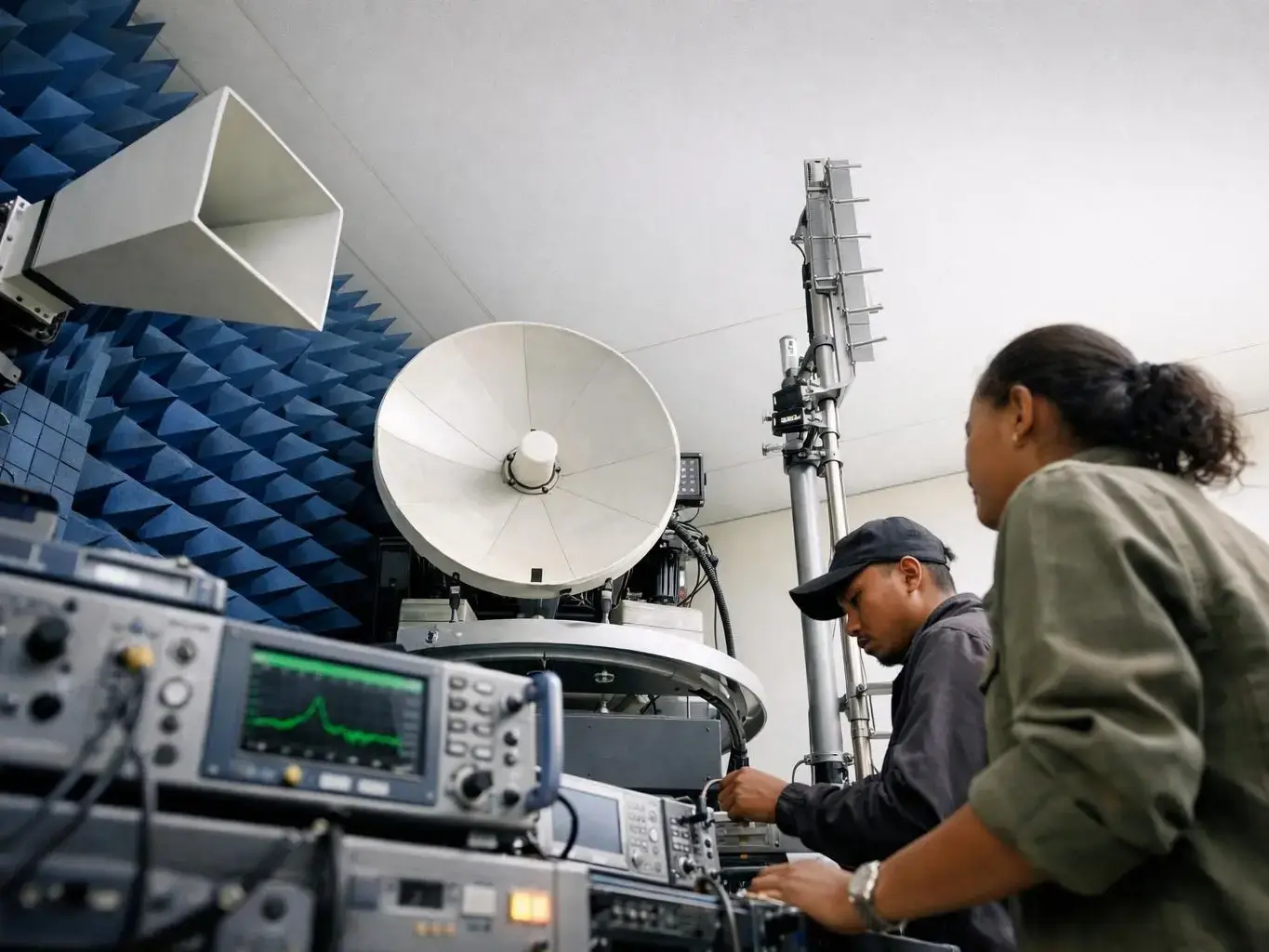
Certification Body is an independent organization accredited to evaluate whether products, services. Or systems meet specific standards or regulatory requirements. Certification Bodies conduct assessments, issue certificates. And ensure ongoing compliance through audits or surveillance. Their role builds trust in markets by verifying safety, performance.
Category
Conformity assessment organization
Used for
Product certification, regulatory compliance, market access
Common confusion
Often mistaken for regulators or testing laboratories
Also called
Certification Agency, Certifier
Often discussed with
CERTIBRIDGE type approval services, Telecommunication devices certification

A Certification Body is an organization. It checks if products, services. Or systems meet specific rules. These rules can be standards, regulations. Or technical needs. Certification Bodies work independently. They don't side with manufacturers or regulators.
Related glossary terms: Conformity Assessment, Type Approval, ISO/IEC 17025.
Their job is to give fair assessments. They may test products or review documents. They might inspect factories or do audits. This confirms if requirements are met.
Certification Bodies help markets worldwide. They issue certificates to show compliance. These certificates prove safety, quality. Or performance. They help businesses show customers and regulators they meet standards.
For example, a Certification Body might check a wireless device. It ensures the device meets radio frequency limits. These limits are set by national authorities. The certificate lets the device be sold legally.

The certification process starts with an application. A manufacturer or supplier sends it to a Certification Body. The body reviews documents, test reports. Or quality systems. This helps them assess if the product meets standards.
If it does, they issue a certificate. This certificate may last for a set time. It might need audits to check ongoing compliance.
Certification Bodies must meet strict rules too. They're often accredited by groups like the International Accreditation Forum (IAF). Local accreditation services can also approve them. Accreditation proves they're competent and fair. It shows they follow standard procedures.
Without accreditation, certificates may not be accepted. Regulators or markets might not recognize them.
Certification Bodies act as a trusted link. They connect manufacturers and regulators. Their certificates keep unsafe products out of markets. This protects consumers from hazards or legal issues.
For businesses, certification is often a must. It helps them avoid recalls, fines. Or bad reputations. In fields like telecommunications, certification is usually required. Products can't be sold or imported without it.
Certification also helps products stand out. Buyers trust products with certification marks. They see them as safer or better quality. Certification Bodies help new technologies too. They show clear ways to meet regulations. This lets products enter markets faster.
Certification is key when laws require compliance. It's also important when trust matters. For example, wireless devices or medical equipment makers need certification. They must get approvals before launching in new areas. Without certification, products may be blocked.
Certification helps businesses compete. A certificate from a trusted body reassures buyers. It shows a product meets industry standards. Certification is often needed for public tenders or trade deals. It's a big factor in business growth.
In Madagascar, Certification Bodies are very important. They ensure telecom and radio devices follow local rules. This protects the national spectrum. It prevents interference. It makes sure devices work safely in the country’s infrastructure.
Testing laboratories conduct technical tests and provide test reports. But do not issue certificates. Certification Bodies use test reports and other evidence to evaluate compliance and grant certification.
Regulatory authorities set laws and standards but do not perform certification. Certification Bodies act as third-party evaluators to confirm compliance with those regulations.
Conformity Assessment Body is a broader term that includes Certification Bodies, testing laboratories, inspection bodies. And calibration laboratories. Certification Bodies are a specific type of Conformity Assessment Body.
Certification Bodies must balance rigor with practicality. While their assessments ensure compliance, they also help manufacturers navigate complex regulations efficiently. Choosing a Certification Body with local market expertise can streamline approvals and avoid costly delays.
A manufacturer of Wi-Fi routers in Madagascar submits its product to a Certification Body for type approval. The Certification Body reviews test reports, technical documentation. And compliance with local radio frequency regulations. After confirming conformity, the Certification Body issues a certificate, allowing the routers to be legally imported and sold in Madagascar.
Conformity Assessment is a systematic process that determines whether a product, service, system. Or person meets specified requirements, standards. Or regulations. It includes activities like testing, inspection, certification.
Type Approval is a formal certification process that confirms a product model meets specific technical and regulatory standards set by a government or industry authority. Type Approval ensures the product is safe, compatible.
ISO/IEC 17025 is an international standard that specifies the general requirements for the competence, impartiality. And consistent operation of testing and calibration laboratories. Laboratories accredited to ISO/IEC 17025 demonstrate their ability to produce precise, accurate.
Local Regulatory Authority is an official government body or agency responsible for enforcing laws, setting standards. And overseeing compliance within a specific country, region. Or industry. These authorities ensure products, services. Or activities meet legal, safety.
Homologation is the official process by which a product, system. Or service is certified to meet specific regulatory standards set by a government or industry body. That way compliance with legal requirements, safety protocols. And technical specifications before the product can be legally sold, distributed.
CERTIBRIDGE
Contact CERTIBRIDGE for practical guidance on Certification Body and related type approval services work in Madagascar.