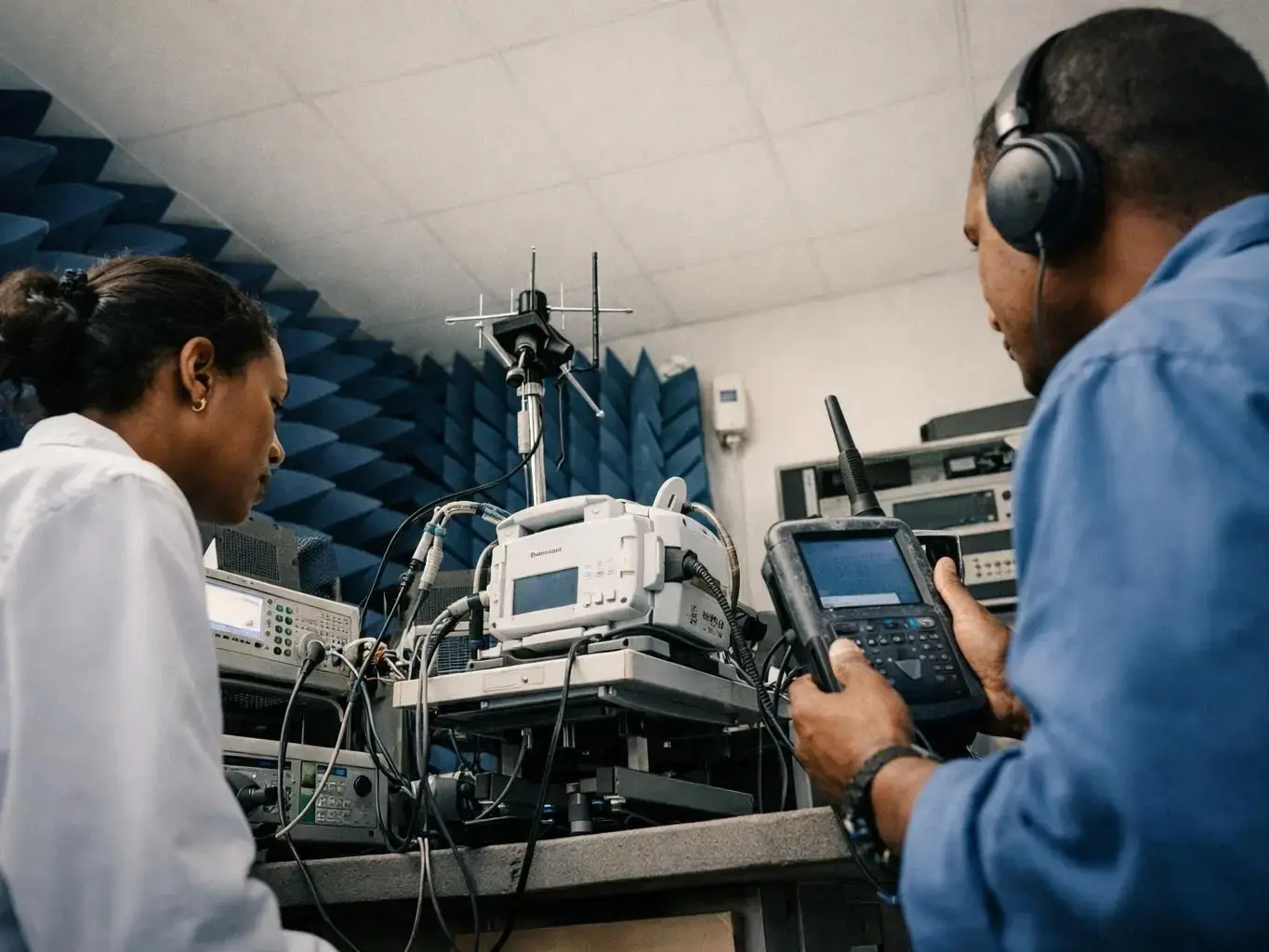
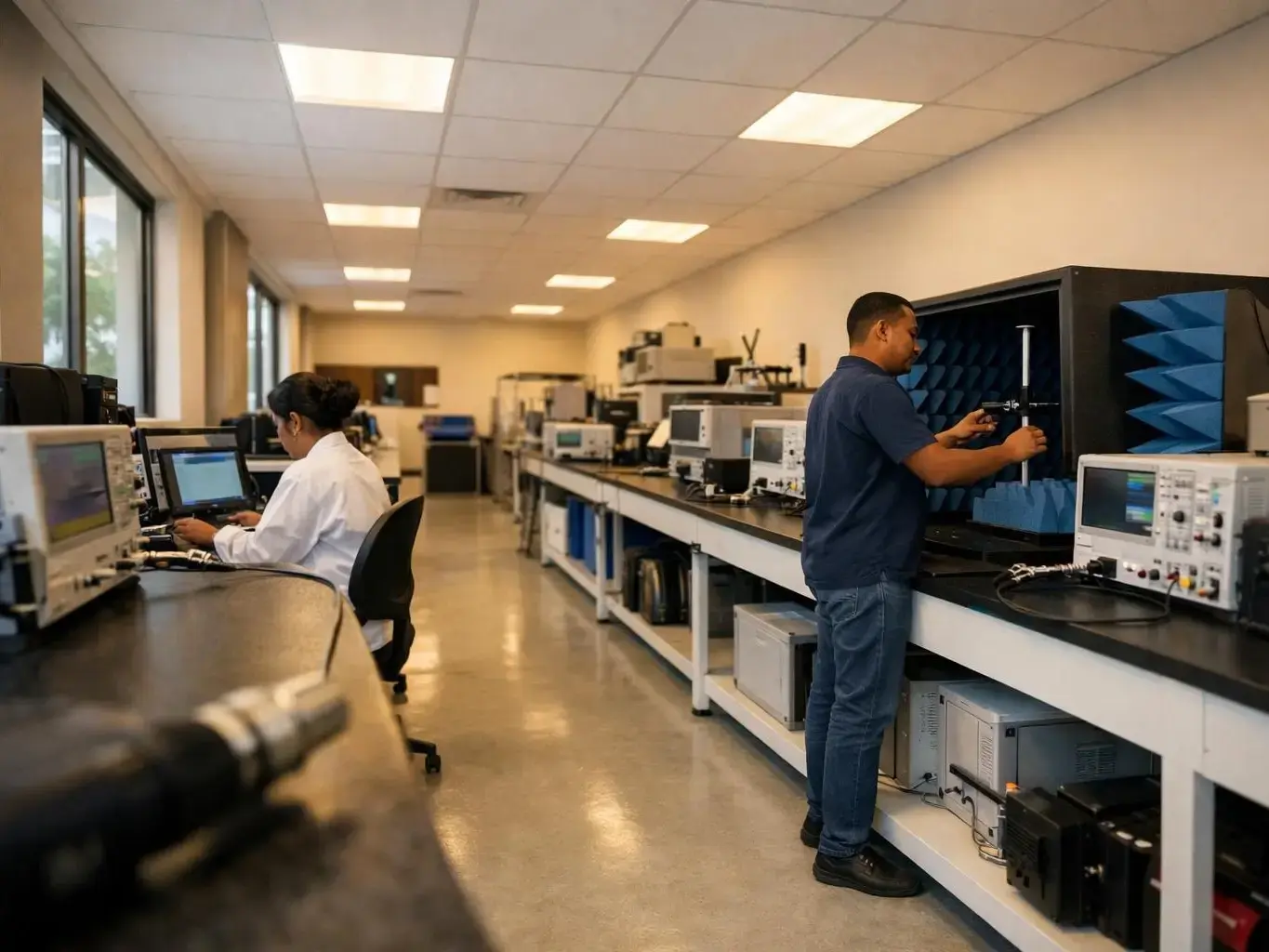
ISO/IEC 17025 is an international standard that specifies the general requirements for the competence, impartiality. And consistent operation of testing and calibration laboratories. Laboratories accredited to ISO/IEC 17025 demonstrate their ability to produce precise, accurate.
Term
ISO/IEC 17025
Category
Definition

ISO/IEC 17025 is a globally recognized standard developed jointly by the International Organization for Standardization (ISO) and the International Electrotechnical Commission (IEC). It outlines the requirements that testing and calibration laboratories must meet to demonstrate their technical competence and ability to produce valid results. Unlike general quality management standards, ISO/IEC 17025 focuses specifically on the technical aspects of laboratory operations, including the accuracy of test methods, the validity of calibration procedures. And the competence of laboratory personnel.
The standard applies to all laboratories, regardless of size or the scope of their testing and calibration activities. This includes laboratories in industries such as telecommunications, environmental testing, healthcare, manufacturing. And food safety. Accreditation to ISO/IEC 17025 signals to customers, regulators. And other stakeholders that a laboratory operates under a strong quality system and consistently delivers reliable results. It also facilitates international trade by ensuring that test and calibration data are accepted across borders without the need for repeated testing.
ISO/IEC 17025 operates through a structured framework that addresses both management and technical requirements. The management requirements cover aspects such as document control, risk management, internal audits. And corrective actions, ensuring that the laboratory maintains a consistent and effective quality management system. The technical requirements focus on the competence of personnel, the validity and appropriateness of test methods, the calibration and maintenance of equipment. And the handling of test items. Together, these requirements ensure that laboratories produce accurate, traceable. And reproducible results.
Laboratories seeking accreditation undergo a rigorous evaluation process conducted by an independent accreditation body. This evaluation includes a thorough review of the laboratory’s quality management system, technical procedures. And competence of staff, as well as on-site assessments to verify compliance with the standard’s requirements. Once accredited, laboratories must undergo regular surveillance audits to maintain their status. These audits ensure ongoing compliance and continuous improvement, as laboratories are required to address any non-conformities identified during the evaluation process.

ISO/IEC 17025 accreditation is critical for laboratories because it provides independent verification of their technical competence and reliability. For industries where precision and accuracy are vital, such as telecommunications, healthcare. And environmental testing, the standard ensures that laboratories meet stringent quality benchmarks. This reduces the risk of erroneous test results, which could lead to costly product recalls, regulatory penalties. Or safety hazards. And accreditation enhances a laboratory’s reputation, making it a preferred partner for customers and regulators who require confidence in test and calibration data.
In practice, The standard also plays a key role in facilitating international trade and regulatory compliance. Many countries and industries require ISO/IEC 17025 accreditation as a prerequisite for accepting test and calibration results. This eliminates the need for redundant testing, saving time and resources for manufacturers and exporters. Also, accreditation demonstrates a laboratory’s commitment to continuous improvement, as regular audits and assessments drive ongoing enhancements in processes and procedures.
ISO/IEC 17025 is particularly important in situations where the accuracy and reliability of test and calibration results are critical. For example, laboratories involved in type approval services for telecommunications equipment must adhere to the standard to ensure their test results are accepted by regulatory authorities. Similarly, laboratories testing medical devices, pharmaceuticals. Or environmental samples rely on ISO/IEC 17025 to meet regulatory requirements and ensure public safety. Without accreditation, laboratories may struggle to compete in markets where compliance with international standards is mandatory.
The standard also becomes essential when laboratories seek to expand their services internationally. Accreditation to ISO/IEC 17025 simplifies the process of entering new markets, as it provides assurance that the laboratory’s results are recognized globally. And laboratories working with government agencies, research institutions. Or industries with strict quality requirements often find that'sO/IEC 17025 accreditation is a prerequisite for collaboration. Regular audits and assessments ensure that laboratories maintain their accreditation, demonstrating their ongoing commitment to quality and technical competence.
ISO/IEC 17025 accreditation is not a one-time achievement but an ongoing commitment to quality and technical excellence. Laboratories must continuously monitor and improve their processes to maintain compliance, as even minor deviations can impact the validity of test results.
A telecommunications laboratory in Madagascar seeks ISO/IEC 17025 accreditation to test mobile devices for compliance with local regulatory requirements. After implementing the standard’s requirements, the laboratory undergoes an assessment by an accreditation body. Once accredited, the laboratory’s test results are recognized by regulators, allowing manufacturers to market their devices in Madagascar without additional testing.
CERTIBRIDGE
Contact CERTIBRIDGE for practical guidance on ISO/IEC 17025 and related type approval services work in Madagascar.