Initial Consultation
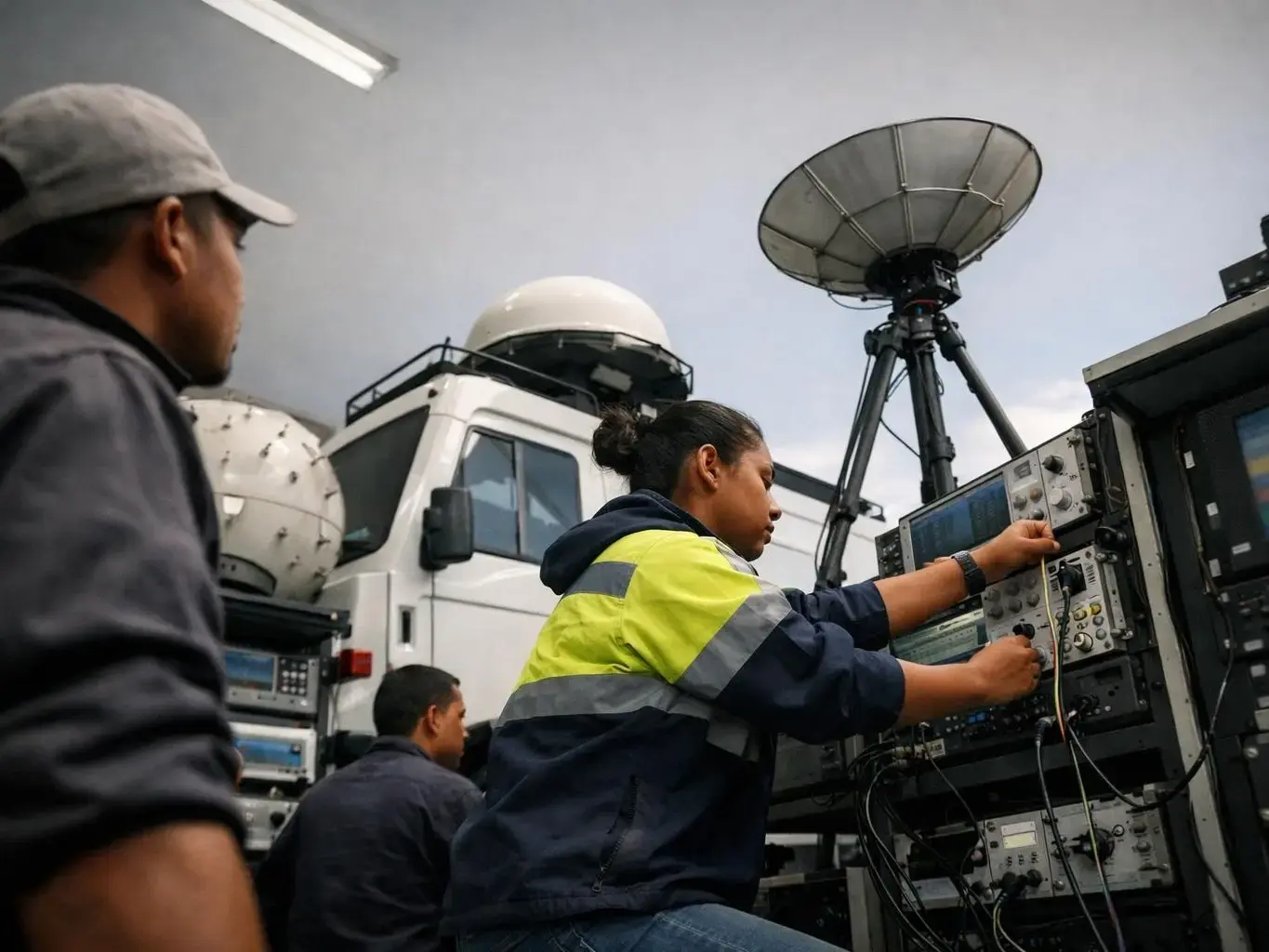
We assess your product and outline the certification requirements for Madagascar’s market.
Madagascar’s tech market is expanding, with over 33 million consumers and growing demand for mobile and IoT devices. ARTEC approval is mandatory for all telecom and wireless products entering the country, making homologation a critical step for manufacturers and importers. CERTIBRIDGE simplifies the process by leveraging deep knowledge of ARTEC’s requirements.
Unlike generic certification services, we tailor our approach to Madagascar’s unique regulatory landscape, ensuring compliance without unnecessary delays. Whether you’re launching smartphones, IoT solutions, or networking equipment, our expertise helps you navigate local standards efficiently. The results speak for themselves: faster approvals, fewer compliance issues, and smoother market entry.

CERTIBRIDGE provides comprehensive Smart Electronics Consumer homologation in ARTEC. Here's what you get:
In ARTEC, faster market access for telecom and wireless devices, reducing launch delays in Madagascar.
Compliance with ARTEC regulations ensures your products avoid costly fines or rejections.
In ARTEC, expert guidance on Madagascar’s unique standards, preventing common compliance mistakes.
In ARTEC, streamlined documentation review saves time and reduces errors in the approval process.
In ARTEC, support for both urban and rural markets, ensuring nationwide distribution opportunities.
In ARTEC, partnerships with global agencies simplify certification for international manufacturers.
We specialize in Madagascar’s ARTEC regulations, ensuring your telecom and wireless devices meet local standards. Our team stays updated on regulatory changes, so you don’t have to worry about compliance surprises.
In ARTEC, we won’t recommend extra services unless they’re truly needed for your product’s approval. Our focus is on getting your devices certified efficiently, not maximizing fees.
From Antananarivo’s tech hubs to rural areas, we ensure your products comply with Madagascar’s regulations. Our services are designed to support both urban and rural market entry.
In ARTEC, we provide clear updates at every stage of the homologation process, so you always know what’s happening. No hidden delays or unexpected costs.
In ARTEC, with connections to 100+ type approval agencies worldwide, we streamline certification for international manufacturers. This reduces bottlenecks and speeds up market entry.
Madagascar’s regulatory landscape differs from other African markets, with ARTEC setting strict standards for telecom and wireless devices. Unlike larger markets, Madagascar’s approval process is faster but requires precise documentation. CERTIBRIDGE’s local expertise ensures compliance without the delays common with generic certification services.
We assess your product and outline the certification requirements for Madagascar’s market.
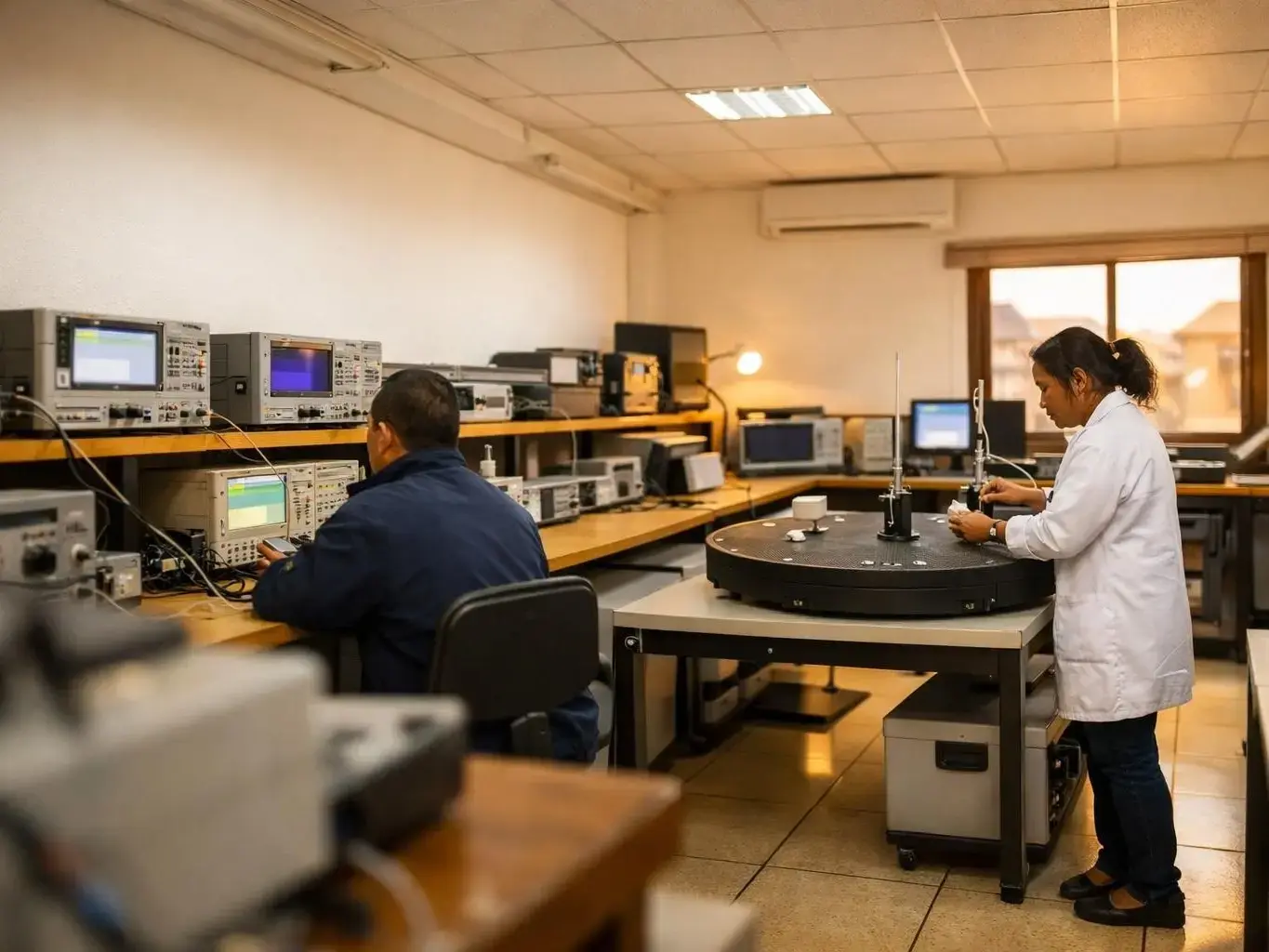
Our team reviews your technical documentation to ensure compliance with ARTEC standards.
We coordinate testing and certification processes to meet local regulatory requirements.
We provide ongoing support to ensure seamless product deployment in Madagascar.
CERTIBRIDGE uses this section to explain what customers should verify before moving ahead with Smart Electronics Consumer homologation, especially when local conditions in ARTEC can change the right next step.
Start by defining what outcome Smart Electronics Consumer homologation needs to deliver before comparing providers or methods.
Ask which workflow, framework, or standards guide Smart Electronics Consumer homologation decisions for customers in ARTEC.
Use local access, property mix, business density, and seasonal conditions in ARTEC to judge the right approach.
A global smartphone manufacturer needed ARTEC approval to launch in Madagascar but lacked knowledge of local regulations.
CERTIBRIDGE reviewed their documentation, coordinated testing, and submitted the application to ARTEC, ensuring compliance with local standards.
The manufacturer secured approval in 8 working days, allowing them to launch on schedule and tap into Madagascar’s growing consumer market.
Industry data shows that delays in certification can cost manufacturers up to 15% of projected sales in emerging markets.
An international IoT provider faced compliance issues with ARTEC’s standards for wireless devices, risking delays in a rural connectivity project.
CERTIBRIDGE conducted a gap analysis, updated their documentation, and coordinated testing to meet ARTEC’s requirements.
The provider secured approval in 6 days, enabling them to deploy their devices and support rural connectivity initiatives across Madagascar.
Research indicates that IoT projects in emerging markets often face regulatory hurdles, with 30% experiencing delays due to compliance issues.
Madagascar’s tech market is growing, and ARTEC approval is your first step to entering it. Contact us today to streamline your homologation process.
Contact Us Today“A shipment of 5,000 smartphones arrives at Toamasina port next week, but ARTEC certification is missing. Without Smart Electronics Consumer homologation, customs will reject the entire batch, triggering storage fees and retail stock-outs. CertiBridge isolates the RF compliance gaps, reviews firmware documentation, and submits the ARTEC dossier within 72 hours, ensuring on-time clearance for Madagascar’s peak holiday season.”
“A utility provider in ARTEC, Madagascar, deploys smart meters across 12,000 households, only to discover signal clashes with local GSM towers. ARTEC requires re-testing for Smart Electronics Consumer homologation before network activation. CertiBridge conducts on-site spectrum analysis, adjusts transmission protocols, and secures compliance approval, preventing a six-month rollback in Antananarivo’s high-density districts.”
“After a competitor’s temporary ARTEC approval led to product recalls, a European manufacturer hesitates on Madagascar market entry. CertiBridge’s on-the-ground team inspects labeling, power adapters, and RF emissions against ARTEC’s latest Smart Electronics Consumer homologation rules. Transparent documentation and a single-point contact ensure full compliance before the first container leaves the warehouse.”