Initial Consultation
We assess your product and outline the certification requirements for Madagascar’s market.
Madagascar’s telecom sector is expanding, with over 33 million consumers and growing demand for mobile devices. ARTEC regulations require strict compliance, but many businesses struggle with paperwork and delays. CERTIBRIDGE simplifies certification by handling document reviews, testing coordination, and ARTEC submissions.
We tailor our approach to Madagascar’s unique rules, ensuring faster approvals than generic providers. Clients in Antananarivo, Toamasina, and other key cities rely on us for seamless market entry. Whether launching IoT solutions or smartphones, we help businesses navigate local standards and avoid costly mistakes.

CERTIBRIDGE provides comprehensive Wireless Telephony Systems certification in Africa. Here's what you get:
In Africa, avoid legal risks by ensuring your devices meet Madagascar’s ARTEC standards.
In Africa, launch products faster with approvals completed in just 5-10 working days.
In Africa, enter Madagascar’s growing telecom market with confidence and compliance.
In Africa, save time and resources by letting experts handle the certification process.
In Africa, expand your reach to over 33 million consumers across the country.
In Africa, stay ahead of competitors with seamless, hassle-free approvals.
We specialize in Madagascar’s ARTEC regulations, so you get accurate, up-to-date guidance. Generic certification providers often miss local nuances, leading to delays. We ensure your devices meet every requirement the first time.
In Africa, we tell you upfront what’s needed for certification—no surprises or upsells. Some providers add extra charges for rush jobs or document corrections. We keep pricing transparent and straightforward.
In Africa, with direct ARTEC connections, we cut approval times to 5-10 working days. Many businesses wait weeks or months with other providers. We help you launch products sooner and capitalize on market demand.
Madagascar’s telecom sector has unique challenges, like infrastructure gaps and regional demand differences. We tailor solutions to fit your business needs, whether you’re launching in Antananarivo or Toamasina.
In Africa, if your device isn’t ready for certification, we’ll tell you—even if it means losing the job. Some providers push forward with incomplete applications, risking rejection. We prioritize your success over quick profits.
A global smartphone manufacturer wanted to launch its latest model in Madagascar but faced delays with ARTEC approvals. Local regulations required specific RF testing, and the company lacked familiarity with Madagascar’s paperwork. CERTIBRIDGE stepped in, reviewed the documents, coordinated testing, and secured approval in just 7 working days.
The device launched on schedule, capturing early market share in Antananarivo and beyond.
We assess your product and outline the certification requirements for Madagascar’s market.
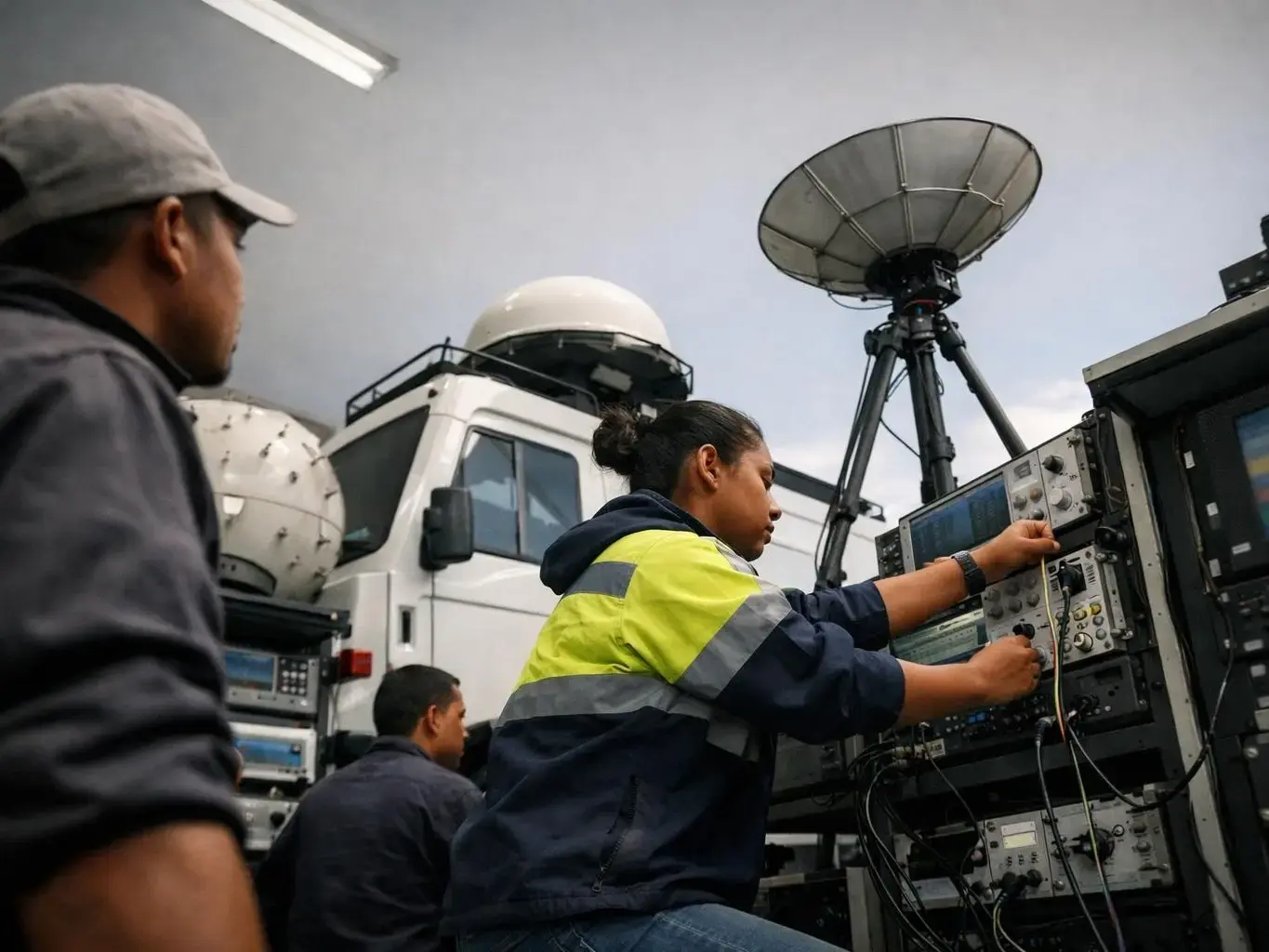
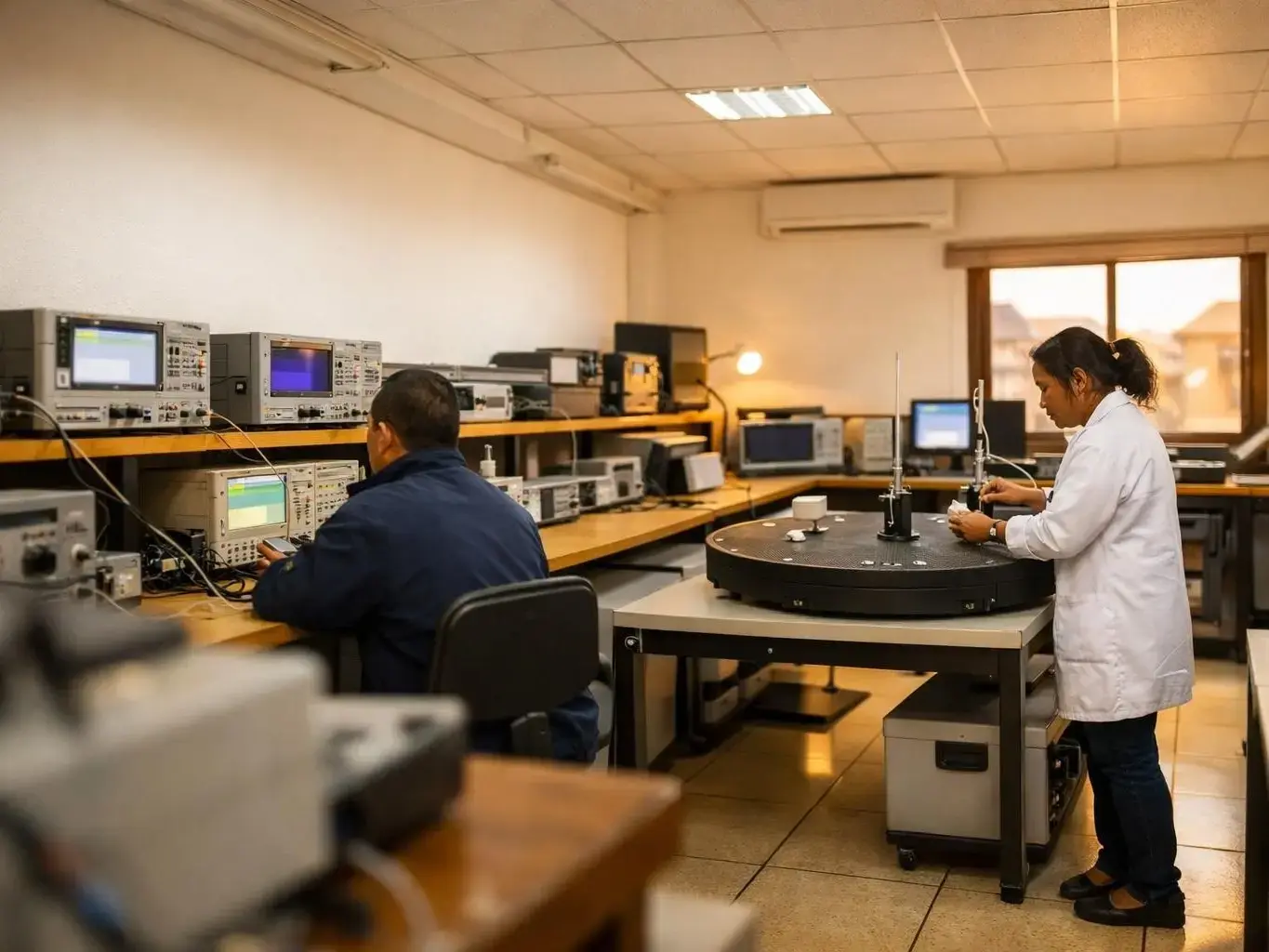
Our team reviews your technical documentation to ensure compliance with ARTEC standards.
We coordinate testing and certification processes to meet local regulatory requirements.
We provide ongoing support to ensure seamless product deployment in Madagascar.
CERTIBRIDGE uses this section to explain what customers should verify before moving ahead with Wireless Telephony Systems certification, especially when local conditions in Africa can change the right next step.
Start by defining what outcome Wireless Telephony Systems certification needs to deliver before comparing providers or methods.
Ask which workflow, framework, or standards guide Wireless Telephony Systems certification decisions for customers in Africa.
Use local access, property mix, business density, and seasonal conditions in Africa to judge the right approach.
A global smartphone brand needed ARTEC certification for its latest model to launch in Madagascar. Delays in paperwork and testing threatened the product’s release timeline.
CERTIBRIDGE reviewed the documentation, coordinated RF testing, and submitted the application to ARTEC. Our team followed up closely to resolve queries and expedite approval.
The smartphone received ARTEC approval in 7 working days, allowing the brand to launch on schedule and capture early market demand in Antananarivo.
Industry data shows that 80% of telecom device launches face delays due to certification issues. CERTIBRIDGE’s streamlined process helped this client avoid costly setbacks.
A startup developing smart meters for Madagascar’s energy sector struggled with ARTEC’s technical requirements. Their initial application was rejected due to incomplete documentation.
CERTIBRIDGE conducted a full document review, identified missing tests, and guided the startup through the resubmission process. We also coordinated with local testing labs to ensure compliance.
The smart meters received ARTEC approval in 10 working days, enabling the startup to secure a contract with a major utility provider in Toamasina.
Research indicates that startups in emerging markets face higher regulatory barriers. CERTIBRIDGE’s expertise helped this client navigate Madagascar’s rules efficiently.
Madagascar’s telecom market is growing—don’t let certification delays hold you back. Contact us now to secure fast, reliable approvals.
Contact Us Today“A tech startup planned to launch smart meters in Madagascar but hit a roadblock with ARTEC approvals. The company didn’t know Madagascar’s rules differ from other African markets. CERTIBRIDGE reviewed their documents, identified missing tests, and secured approval within 8 working days, helping them meet their launch deadline.”
“A telecom operator imported RF equipment for a rural network project, but customs held the shipment due to missing certification. CERTIBRIDGE expedited the approval process, ensuring compliance and releasing the equipment in just 5 days, avoiding costly project delays in Africa Toamasina.”
“A global manufacturer wanted to sell wireless routers in Africa Madagascar but wasn’t sure if their existing certifications would suffice. CERTIBRIDGE assessed their documents, confirmed gaps, and guided them through ARTEC approvals, ensuring legal compliance and smooth market entry across the country.”