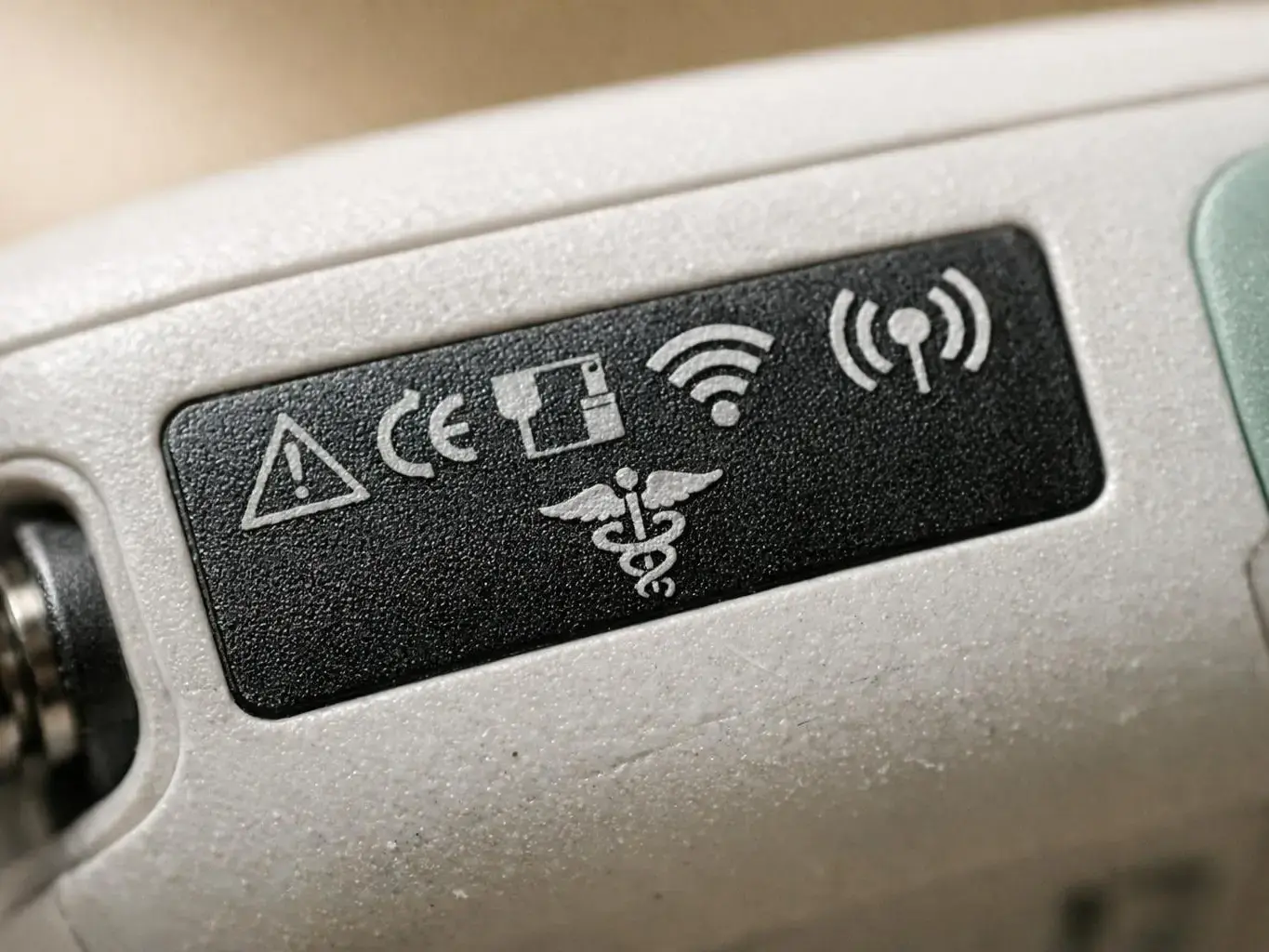
Initial Consultation
We assess your product and outline the certification requirements for Madagascar’s market.
Madagascar’s growing demand for connected devices requires strict ARTEC compliance. Without proper certification, manufacturers risk costly delays or legal penalties when entering the market. CERTIBRIDGE streamlines the approval process by coordinating with ARTEC and global testing agencies.
We handle documentation, RF testing, and compliance checks, ensuring your devices meet local standards. Our local presence in Antananarivo gives us direct access to regulators, reducing approval times. Clients benefit from faster market access and reduced risk of rejection.
Whether you’re launching IoT sensors, drones, or telecom equipment, our expertise ensures smooth certification for Madagascar’s unique regulatory environment.
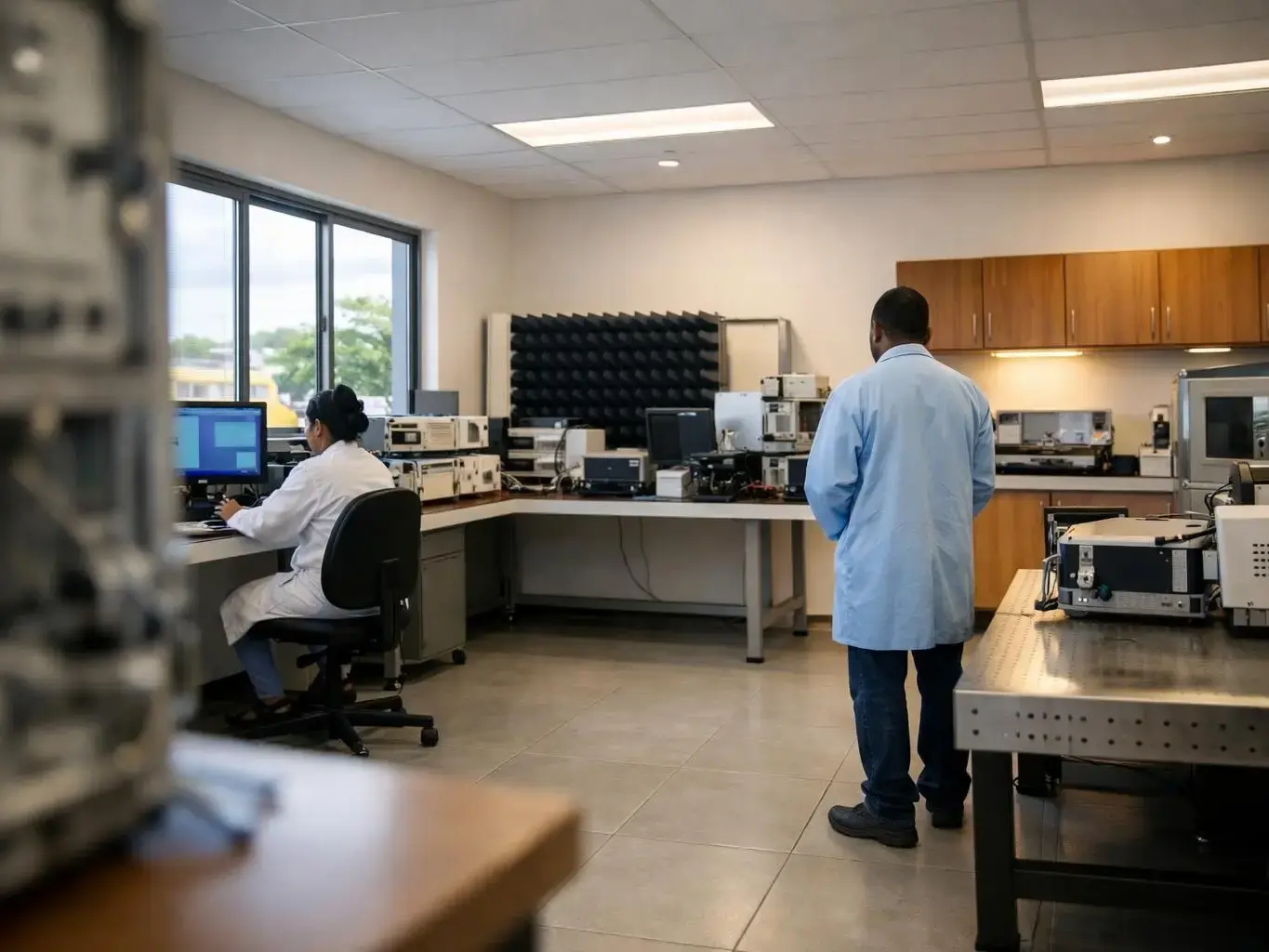
We assess your product and outline the certification requirements for Madagascar’s market.
Our team reviews your technical documentation to ensure compliance with ARTEC standards.
We coordinate testing and certification processes to meet local regulatory requirements.
We provide ongoing support to ensure seamless product deployment in Madagascar.
In Indian Ocean countries, we provide transparent pricing for type approval services in Madagascar. You’ll know upfront what’s included, with no surprise charges for rush jobs or extra testing.
In Indian Ocean countries, our team understands Madagascar’s regulatory landscape better than international providers. We navigate ARTEC requirements efficiently, reducing approval times.
In Indian Ocean countries, if your device isn’t ready for certification, we’ll tell you upfront. No upsells or false promises—just straightforward guidance to meet compliance.
We work with 100+ international testing agencies to streamline compliance. This ensures your devices meet both local and global standards.
Most certifications are completed in 5-10 working days. Our local connections with ARTEC help expedite the process for urgent projects.
Madagascar’s regulatory environment doesn’t fluctuate seasonally, but launching new devices before major tech expos can create urgency. Plan certification early to avoid last-minute delays.
CERTIBRIDGE provides comprehensive Robotics and Autonomous Connected Devices certification in Indian Ocean countries. Here's what you get:
In Indian Ocean countries, avoid legal penalties by ensuring your devices comply with ARTEC regulations.
In Indian Ocean countries, reduce market entry delays with expert guidance on Madagascar’s approval process.
Leverage CERTIBRIDGE’s local presence for faster ARTEC coordination.
In Indian Ocean countries, expand your product line confidently with certified wireless and IoT devices.
In Indian Ocean countries, minimize risk of costly rejections with thorough pre-testing and documentation review.
In Indian Ocean countries, access Madagascar’s growing tech market with compliant, market-ready products.
CERTIBRIDGE uses this section to explain what customers should verify before moving ahead with Robotics and Autonomous Connected Devices certification, especially when local conditions in Indian Ocean countries can change the right next step.
Start by defining what outcome Robotics and Autonomous Connected Devices certification needs to deliver before comparing providers or methods.
Ask which workflow, framework, or standards guide Robotics and Autonomous Connected Devices certification decisions for customers in Indian Ocean countries.
Use local access, property mix, business density, and seasonal conditions in Indian Ocean countries to judge the right approach.
A global IoT manufacturer faced delays due to incomplete ARTEC documentation for their smart sensors.
CERTIBRIDGE reviewed their paperwork, coordinated RF testing, and submitted the application to ARTEC with corrections.
The devices received certification within 8 working days, allowing the client to launch on schedule.
Industry data shows that 30% of IoT devices face initial rejection due to documentation errors—our review process reduces this risk.
A telecom provider’s wireless routers failed Madagascar’s RF compliance tests, risking market entry delays.
We identified the frequency mismatch, worked with their engineers to adjust settings, and resubmitted for testing.
The routers passed certification, enabling the provider to roll out their network on time.
Research indicates that RF compliance issues cause 20% of telecom device rejections—our technical review prevents these setbacks.
Avoid delays and legal risks—partner with CERTIBRIDGE for fast, reliable ARTEC approval.
Contact Us Today“A drone operator in Antananarivo notices intermittent RF interference during pre-flight calibration, risking non-compliance with Madagascar’s ARTEC regulations. Local spectrum congestion near Ivato International Airport and seasonal monsoon humidity amplify signal instability. CertiBridge conducts on-site RF spectrum analysis, isolates unauthorized emissions, and verifies Robotics and Autonomous Connected Devices certification documentation against Indian Ocean countries' standards before clearance.”
“Autonomous cranes at Toamasina Port experience repeated sensor dropout during cyclone season, threatening cargo safety and compliance. Salt corrosion and power surges from Madagascar’s aging grid degrade wireless modules. CertiBridge performs environmental stress testing, validates IP67 ratings, and ensures Robotics and Autonomous Connected Devices certification aligns with Indian Ocean countries' maritime safety codes for resilient operations.”
“A logistics startup in Nosy Be hesitates between self-certifying their autonomous forklifts or using accredited labs, unsure which meets Madagascar’s ARTEC and Indian Ocean countries' import rules. CertiBridge clarifies documentation gaps, schedules witnessed testing at local labs, and provides transparent next steps—including compliance roadmaps—to secure Robotics and Autonomous Connected Devices certification without delays.”