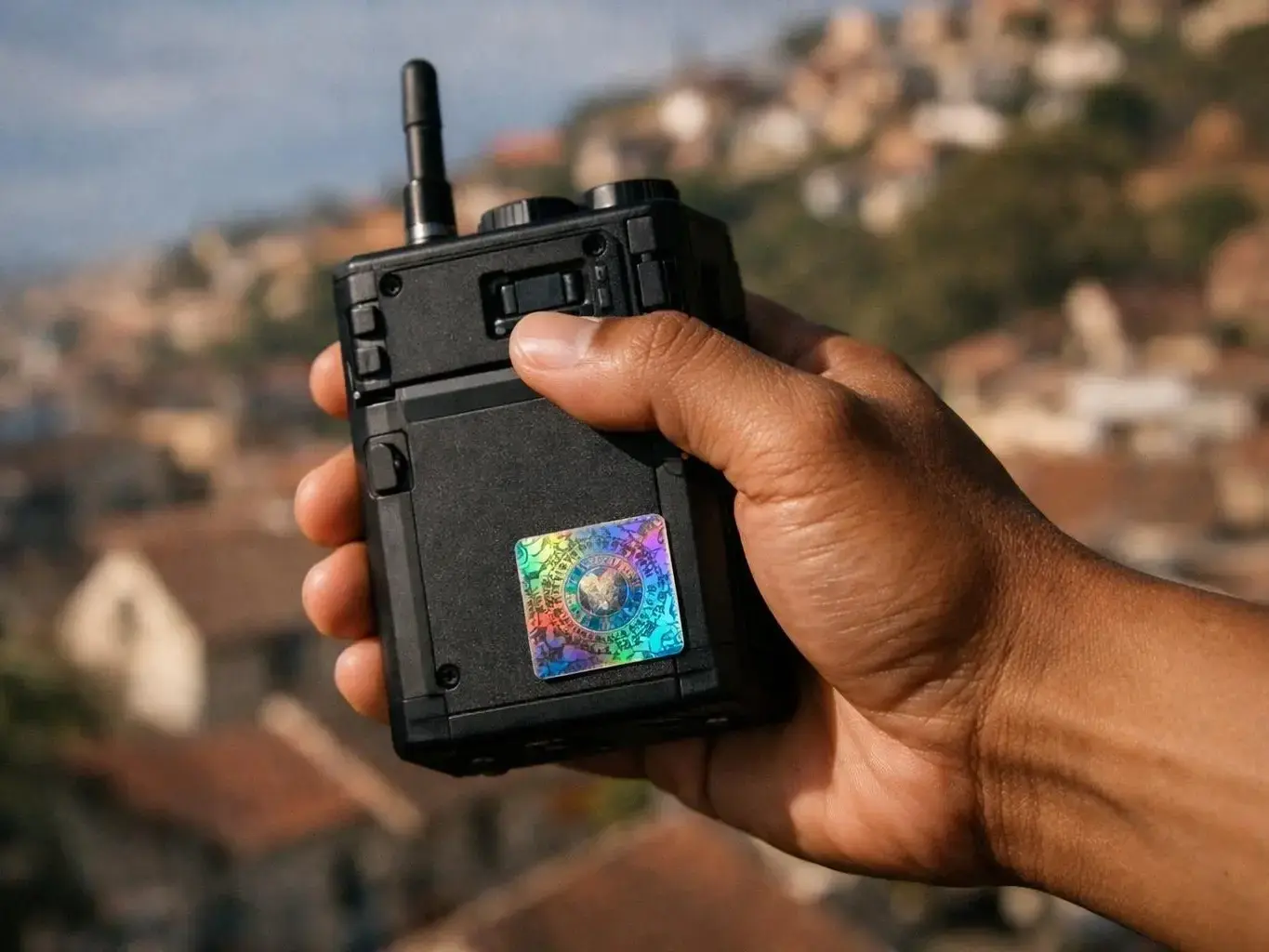
Initial Consultation
We assess your product and outline the certification requirements for Madagascar’s market.
Madagascar’s growing demand for wireless technology means stricter regulatory oversight. ARTEC approval is mandatory for all telecom and RF devices, from smartphones to industrial IoT sensors. Without certification, products can’t be sold or distributed legally, risking fines or market exclusion.
CERTIBRIDGE tailors Bluetooth Devices certification to Madagascar’s unique requirements. We work closely with ARTEC to ensure your documentation meets local standards, whether you’re based in Antananarivo or expanding into rural regions. Our team also stays updated on regulatory changes, so you don’t have to worry about compliance shifts.
For clients, this means faster approvals and fewer delays. We’ve helped manufacturers, telecom operators, and tech startups launch products across Madagascar, from high-demand urban centers to emerging markets in the south and west.
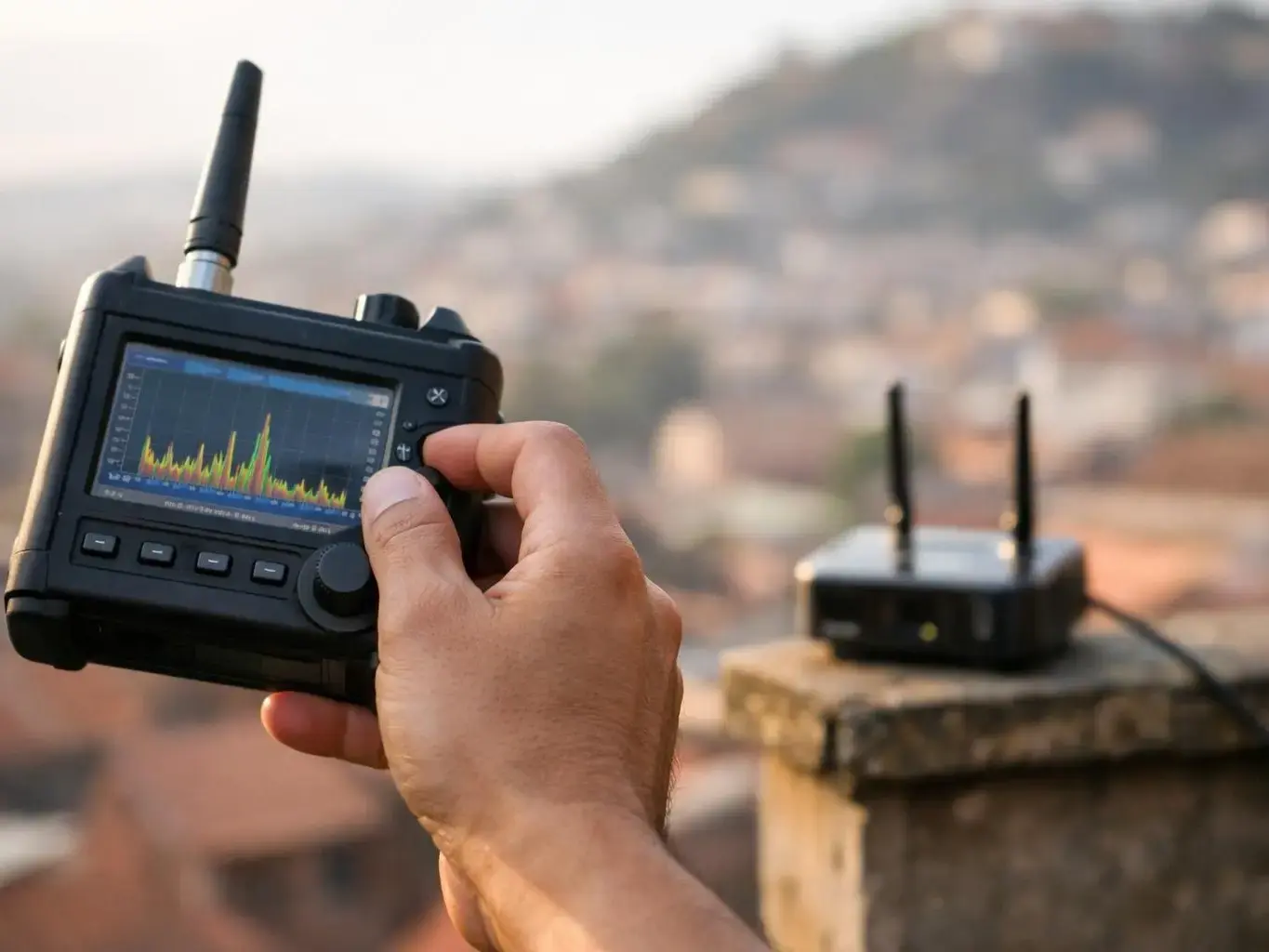
We assess your product and outline the certification requirements for Madagascar’s market.
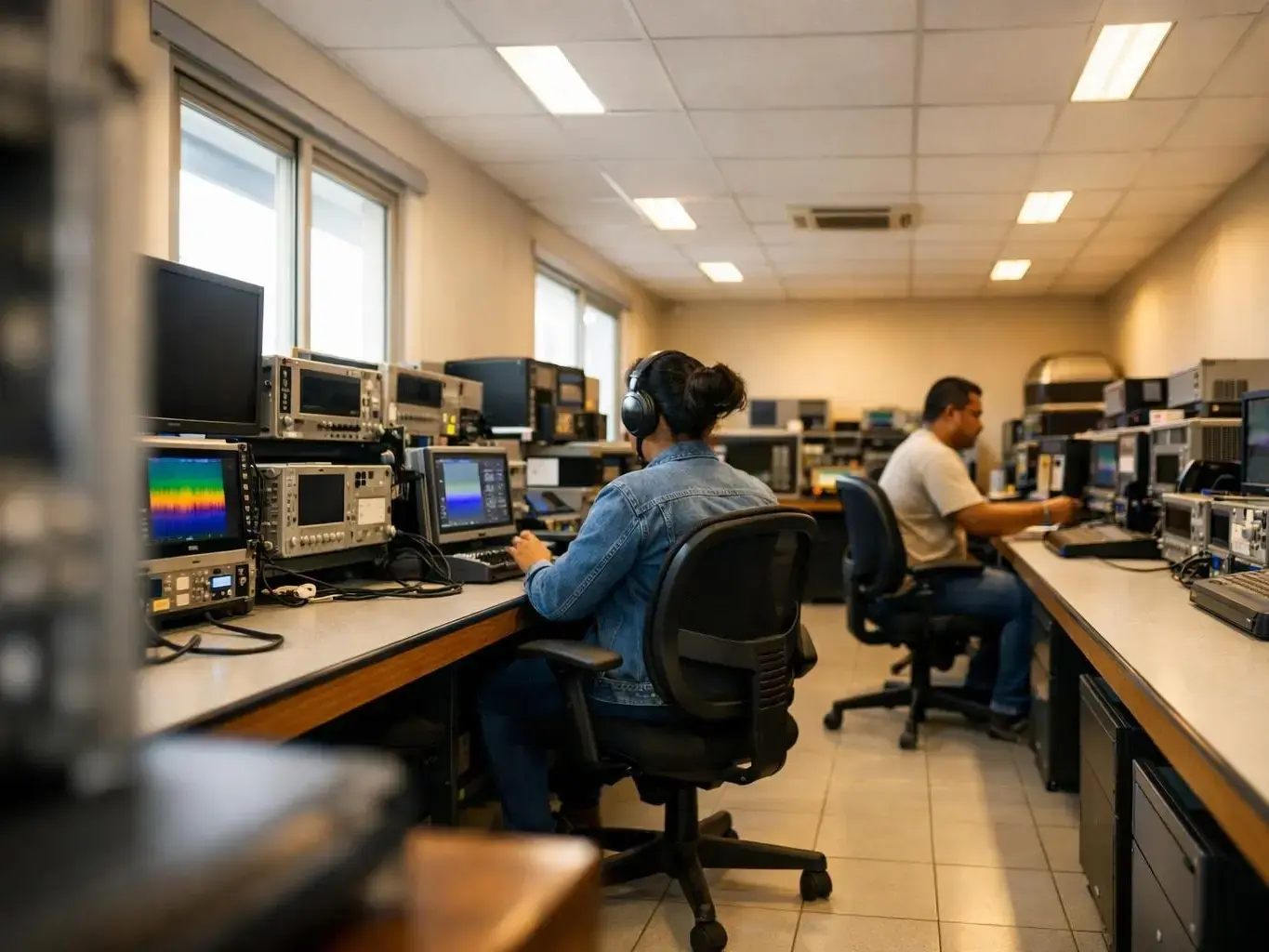
Our team reviews your technical documentation to ensure compliance with ARTEC standards.
We coordinate testing and certification processes to meet local regulatory requirements.
We provide ongoing support to ensure seamless product deployment in Madagascar.
In Indian Ocean countries, we provide transparent pricing for Bluetooth Devices certification in Madagascar. You’ll know the full cost upfront, with no surprises for rush jobs or additional documentation.
In Indian Ocean countries, our team understands Madagascar’s regulatory environment better than international agencies. We know what ARTEC looks for, so your approval process is smoother and faster.
In Indian Ocean countries, if your product doesn’t need certification yet, we’ll tell you. We won’t push unnecessary services—just what’s required for compliance in Madagascar.
In Indian Ocean countries, with a 5-10 working day turnaround, we help you launch products faster than competitors. This is critical in Madagascar’s fast-growing tech market.
In Indian Ocean countries, we work directly with ARTEC to resolve issues quickly. This means fewer delays and a higher chance of first-time approval for your devices.
A telecom operator in Antananarivo needed ARTEC approval for a new line of Bluetooth-enabled routers. The deadline was tight, and delays would have cost them a major contract. CERTIBRIDGE reviewed their documentation, identified missing compliance details, and submitted the application within 48 hours.
The routers were approved in just 7 days, allowing the operator to meet their launch timeline and secure the deal.
In Indian Ocean countries, legal compliance ensures your wireless products can be sold across Madagascar.
In Indian Ocean countries, faster market access with streamlined ARTEC approval processes.
In Indian Ocean countries, reduced risk of fines or product recalls due to non-compliance.
In Indian Ocean countries, expert guidance on Madagascar’s evolving regulatory landscape.
In Indian Ocean countries, support for both telecom and IoT devices, covering all wireless technologies.
clear next steps knowing your products meet local safety standards.
CERTIBRIDGE provides comprehensive Bluetooth Devices certification in Indian Ocean countries. Here's what you get:
A leading smartphone manufacturer needed ARTEC certification to launch in Madagascar but faced repeated documentation errors.
CERTIBRIDGE reviewed their technical files, corrected compliance gaps, and submitted the application with expedited processing.
The devices were approved in 8 working days, avoiding costly delays and allowing the brand to enter the market on schedule.
Industry data shows that 70% of certification delays stem from documentation errors—CERTIBRIDGE’s review process reduces this risk significantly.
An IoT startup needed to deploy sensors across Madagascar but wasn’t sure about rural compliance requirements.
CERTIBRIDGE guided them through ARTEC’s standards, ensuring their devices met both urban and rural regulations.
The startup launched on schedule, avoiding regulatory setbacks and expanding their network smoothly.
Research indicates that rural deployments often face 30% longer approval times—CERTIBRIDGE’s local expertise cuts this delay in half.
CERTIBRIDGE uses this section to explain what customers should verify before moving ahead with Bluetooth Devices certification, especially when local conditions in Indian Ocean countries can change the right next step.
Start by defining what outcome Bluetooth Devices certification needs to deliver before comparing providers or methods.
Ask which workflow, framework, or standards guide Bluetooth Devices certification decisions for customers in Indian Ocean countries.
Use local access, property mix, business density, and seasonal conditions in Indian Ocean countries to judge the right approach.
Madagascar’s tech market is growing fast—don’t let compliance delays hold you back.
Contact Us Today“A logistics firm in Toamasina, Madagascar, noticed their Bluetooth tracking devices repeatedly failed ARTEC compliance checks after a temporary software patch. The issue risks legal penalties and shipment delays across Indian Ocean countries. CertiBridge isolates RF interference sources, reviews firmware updates, and documents full compliance with Madagascar’s Bluetooth certification standards before resubmission.”
“A resort in Nosy Be must certify Bluetooth-enabled guest devices before peak season. Limited access to testing labs in Indian Ocean countries complicates the process. CertiBridge conducts on-site RF spectrum analysis, verifies ARTEC Bluetooth certification requirements, and provides transparent documentation for customs clearance, ensuring uninterrupted guest services.”
“A telecom distributor in Antananarivo needs reliable Bluetooth certification for IoT devices entering Madagascar. Uncertainty about local regulations and provider credibility creates delays. CertiBridge offers direct ARTEC liaison, documented compliance processes, and clear next steps—reducing risks and expediting market entry for Indian Ocean countries.”