IMEI Registration is a must-do step. It puts a phone’s unique IMEI number in a country’s database. The phone can then use local networks. This helps stop theft.
Term
IMEI Registration
Category
Process
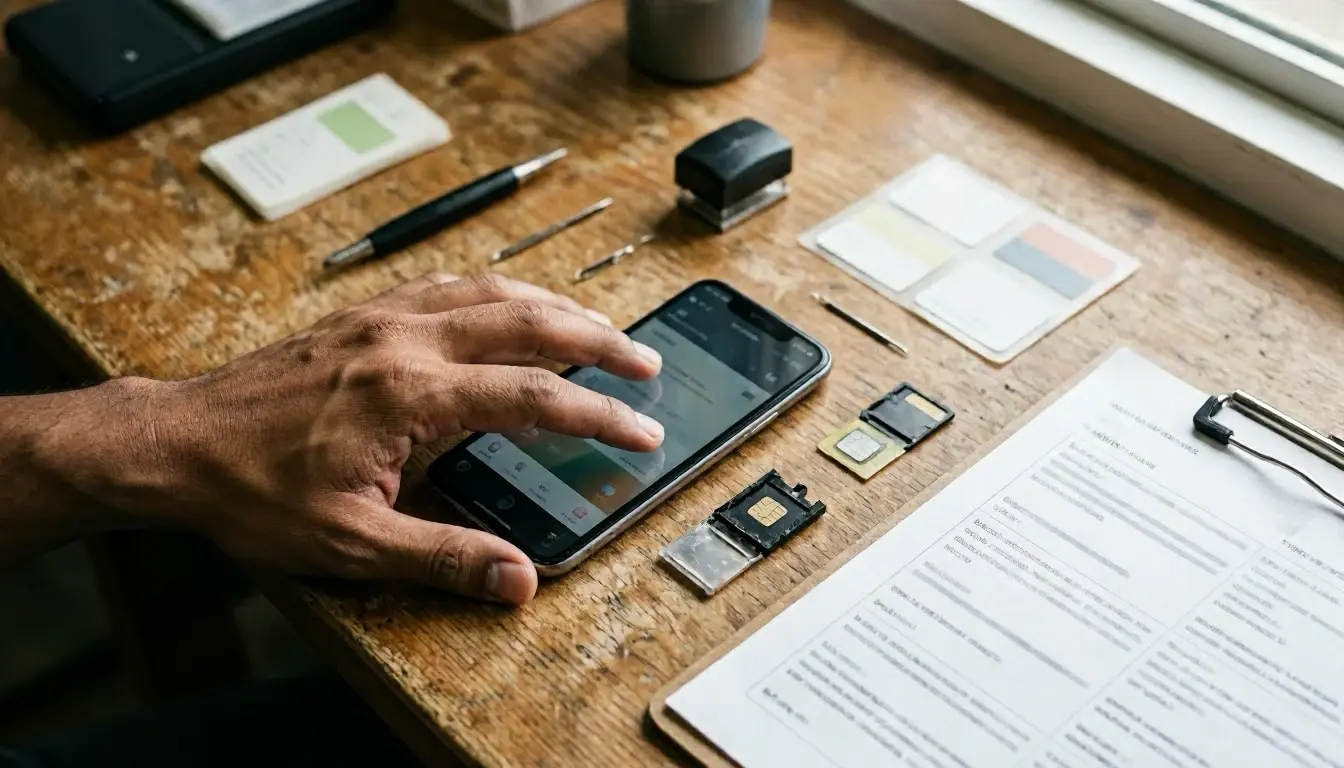
IMEI Registration is a regulatory requirement designed to control the use of mobile devices on telecommunications networks. Every mobile phone, tablet. Or cellular-enabled device is assigned a unique 15-digit International Mobile Equipment Identity (IMEI) number by its manufacturer. This number acts like a serial number for the device’s hardware, separate from the SIM card or phone number. Governments and telecom regulators require that this IMEI number be registered in a national database before the device can legally connect to local mobile networks.
The primary purpose of IMEI Registration is to prevent the use of stolen, counterfeit. Or non-compliant devices. By maintaining a central registry of approved IMEI numbers, authorities can block devices reported as stolen or those that fail to meet local technical standards. This system also helps enforce type approval regulations, ensuring that only devices certified for safety, radio frequency emissions. And network compatibility are allowed on the market.
The IMEI Registration process typically begins when a device is imported, manufactured locally. Or sold to an end user. The importer, manufacturer. Or authorized distributor submits the device’s IMEI number to the national telecom regulatory authority, often through an online portal. The authority verifies that the device has passed type approval testing and meets all local regulatory requirements. Once approved, the IMEI number is added to the national database. And the device is cleared for sale and network access.
When a user inserts a SIM card into the device, the mobile network operator checks the IMEI number against the national database. If the IMEI is registered and not flagged as stolen or non-compliant, the device is allowed to connect to the network. If the IMEI is missing from the database or appears on a blocklist, the network will deny service, preventing calls, texts. And mobile data usage. This system applies to all devices with cellular connectivity, including smartphones, feature phones, tablets, mobile hotspots. And IoT devices with SIM cards.

IMEI Registration serves multiple critical functions for governments, telecom operators. And consumers. For governments, it provides a tool to combat device theft and illegal imports, reducing the circulation of counterfeit or substandard devices that could interfere with network operations. For telecom operators, it ensures that only compliant devices connect to their networks, minimizing technical issues and improving service quality. For consumers, it offers protection against theft and fraud, as stolen devices can be quickly identified and blocked from use.
Beyond security and compliance, IMEI Registration also supports market surveillance and consumer protection. Regulators can use the database to track device models, monitor compliance with local standards. And take action against non-compliant products. This helps maintain a fair marketplace for manufacturers and importers while ensuring that consumers have access to safe, reliable devices that work smoothly on local networks.
IMEI Registration becomes particularly important in several key scenarios. For importers and manufacturers, it's a mandatory step before placing devices on the market, as unregistered devices can't legally connect to local networks. Failure to register can result in fines, confiscation of shipments. Or legal action. For retailers, ensuring that all devices sold have valid IMEI Registration is essential to avoid penalties and maintain customer trust, as customers will be unable to use unregistered devices.
For consumers, IMEI Registration matters most when purchasing a new or used device. Buyers should verify that the device’s IMEI is registered and not blocked, especially when buying from unofficial sources or second-hand markets. Travelers bringing devices into a country may also need to register their IMEI if staying long-term or using local SIM cards. In Madagascar, for example, IMEI Registration is required for all devices connecting to local mobile networks, making it a critical consideration for residents, businesses. And visitors relying on mobile connectivity.
IMEI Registration is often overlooked by importers and consumers. But it is a critical compliance step. In regions with strict enforcement, even a single unregistered device can lead to network blocks, fines. Or shipment delays. Always verify registration requirements before importing or purchasing devices.
A business brings 500 phones to Madagascar. Each phone’s IMEI must go in the country’s list. The business sends IMEI numbers online. The list checks if phones passed tests. Then the phones can sell.
CERTIBRIDGE
Contact CERTIBRIDGE for practical guidance on IMEI Registration and related type approval services work in Madagascar.